

Reusable syringes being sold despite nationwide ban
Reusable syringes, including some sold as auto-disable devices, remain available in several Pakistani cities despite a nationwide ban, according to a report. DRAP says it is aware of compliance gaps and has ordered a market survey.

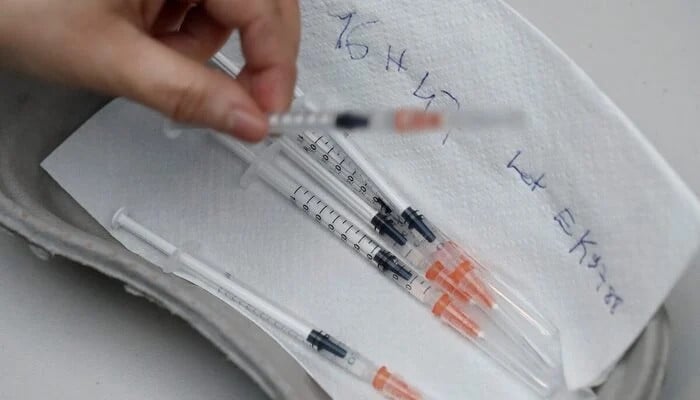
ISLAMABAD: Reusable syringes, including devices falsely marketed as auto-disable, continue to be manufactured, supplied and used across Pakistan despite a nationwide ban, an investigation by The News has revealed, raising serious concerns over enforcement gaps and risks of blood-borne infections.
The report found that some syringes being sold as single-use “auto-disable” devices are in fact fully reusable, with plungers that do not lock after one use — a key safety feature meant to prevent reuse and reduce disease transmission.
Samples collected from multiple cities reportedly showed that such syringes are easily reused, suggesting weak regulatory oversight and widespread non-compliance with the ban on conventional disposable syringes.
Field findings indicate that these products are available in cities including Peshawar, Multan and Jacobabad, as well as in rural and urban markets across the country. This suggests that the ban on 2ml, 3ml and 5ml disposable syringes is largely being implemented in name only.
Investigators also traced a significant number of these syringes to manufacturing units in the Gadoon Amazai industrial zone, where factories are allegedly producing and distributing reusable syringes across Pakistan.
Healthcare workers on the ground warned that the consequences are already visible. A medical worker at Jacobabad Institute of Medical Sciences said the syringes are widely available in pharmacies and markets, and repeated complaints have not led to action.
They further alleged that some informal practitioners charge Rs50 to Rs100 per injection and reuse syringes across multiple patients to reduce costs.
Jacobabad, already considered a hotspot for hepatitis C, is now reportedly seeing a rise in HIV cases, with unsafe injection practices identified as a contributing factor.
Syed Omer Ahmed, Chairman of the Healthcare Devices Association of Pakistan, said the ban on conventional syringes was a positive policy step but warned that enforcement remains weak. He noted that unlike medicines, the issue in medical devices is driven by informal healthcare providers and quack practitioners.
He said the system enabling reuse remains deeply embedded in healthcare delivery at the ground level.
Meanwhile, officials of the Drug Regulatory Authority of Pakistan (DRAP) said they are aware of compliance gaps and are taking steps to enforce regulations. Provincial drug authorities also claimed they are working to ensure compliance and rejected claims of regulatory laxity.
According to DRAP documents, a nationwide market survey has been ordered to assess compliance and identify violations, with strict legal action promised against non-compliant products.
The authority reiterated that the import and manufacture of conventional disposable syringes have been banned since July 2021, all registrations for such products have been cancelled, and enforcement agencies have been directed to verify whether banned syringes are still being sold in the market.
Comments
No comments yet. Be the first to join the discussion!


