Iran conflict and fuel costs cast uncertainty over airlines’ summer plans
European airlines are facing mounting pressure from the Iran conflict as jet fuel prices surge and travel through the Middle East remains disrupted. Industry leaders say demand is still holding up, but warn prolonged fighting could strain fuel supplies and bookings.

London: European airlines are confronting their most serious test since the Covid-19 pandemic as the US-Israel war on Iran drives up jet fuel prices and disrupts travel through the Middle East, creating uncertainty ahead of the summer holiday season.
Airlines have so far managed the pressure with fuel hedges that have helped contain costs, even though jet fuel prices have climbed nearly 84 per cent since the conflict began on February 28. However, carriers could face supply shortages if the war continues.
Willie Walsh, head of the International Air Transport Association, told Reuters on Tuesday that there was a possibility of supply constraints emerging if the situation persisted.
"There is a risk that we’ll see rationing of fuel supply, particularly in Asia and Europe", Walsh said, while adding that supply remained robust for now.
He also said the current disruption was still less severe than the shock caused by the Covid-19 pandemic in 2020, when travel demand collapsed and the aviation industry suffered losses worth hundreds of billions of dollars.
Hedges easing the pressure, but concerns remain
The conflict has weighed on airline stocks, while intermittent peace talks aimed at ending the war and restoring normal traffic through the Strait of Hormuz have added to uncertainty in global energy markets during the worst energy crisis in decades.
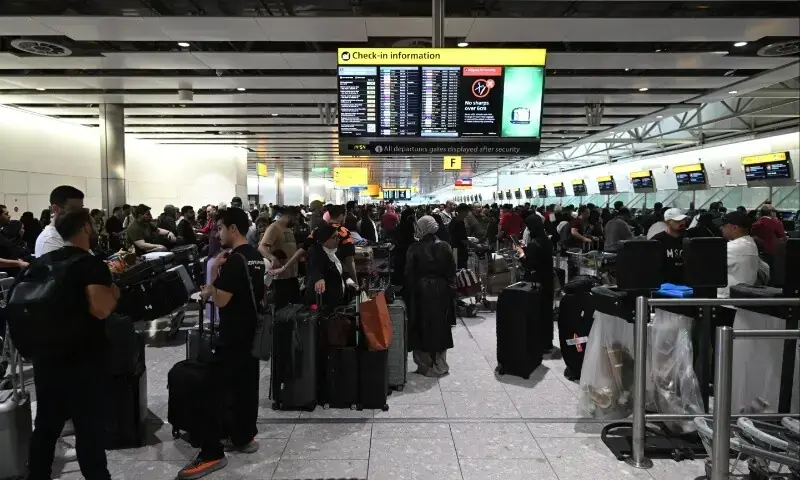
Airlines are now cautioning that their hedges, which lock in prices for fuel, are beginning to expire. At the same time, outlooks are becoming less clear as some travellers delay bookings or choose destinations closer to home because of possible disruption and higher fares.
Sweden’s Energy Minister Ebba Busch on Tuesday issued an early warning over possible jet fuel shortages, despite current supplies being adequate, and urged Swedes to carefully consider their travel plans.
Ryanair chief executive Michael O’Leary, however, downplayed the risks.
"We think the risk of a supply disruption is receding", he told Reuters, citing discussions with suppliers across Europe earlier in the week.
Wizz Air chief executive Jozsef Varadi said on Monday that summer bookings remained strong. But easyJet and tour operator TU have recently reported weaker forward bookings and issued profit warnings.
Varadi also said that even if the conflict ended, fuel prices were unlikely to quickly return to earlier levels.
"Even if the war is stopped in Iran, I don’t think this is going to put the fuel price back to what it used to be two months ago", he told reporters in London.
Air France-KLM, British Airways-owner IAG and Lufthansa are due to begin reporting first-quarter results this week. The three groups have raised fares and reduced flight capacity in response to the war.
Different impact across the industry
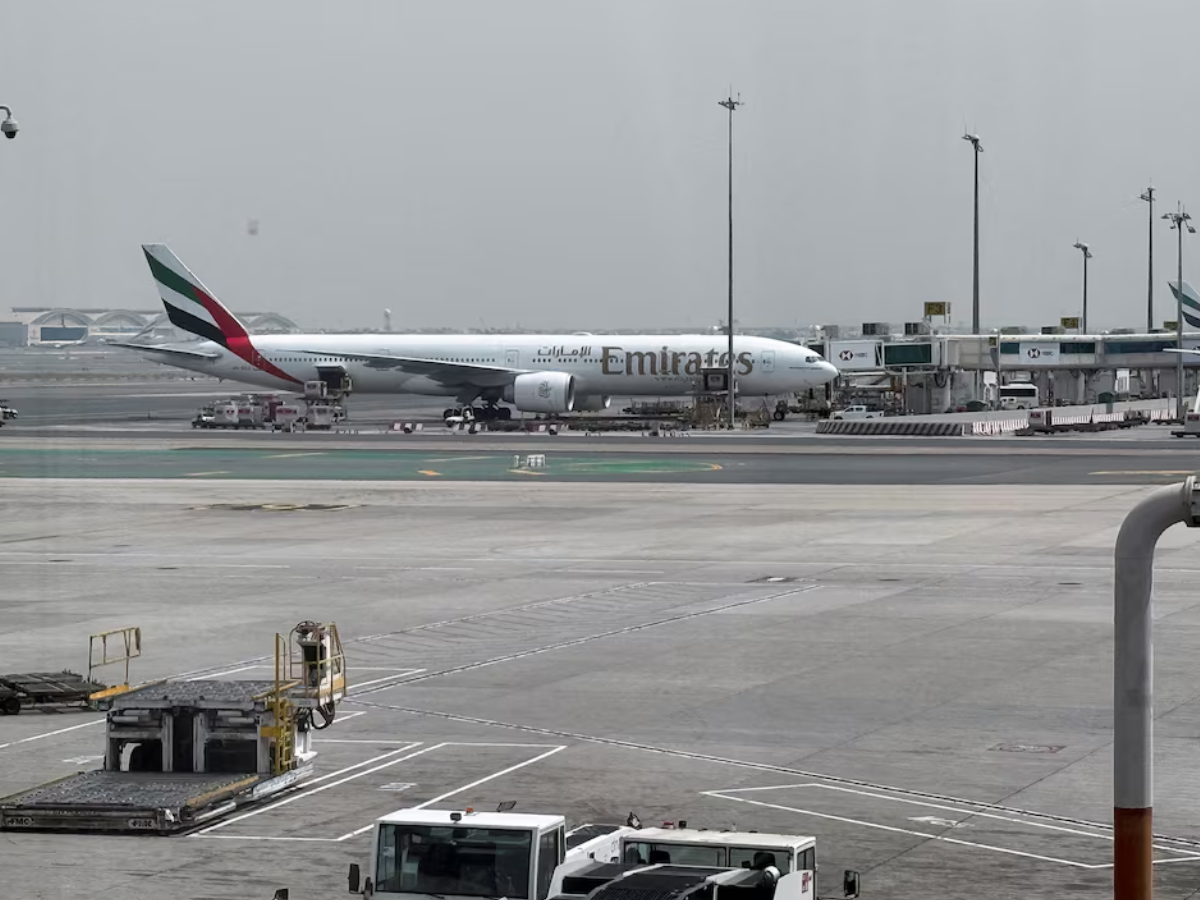
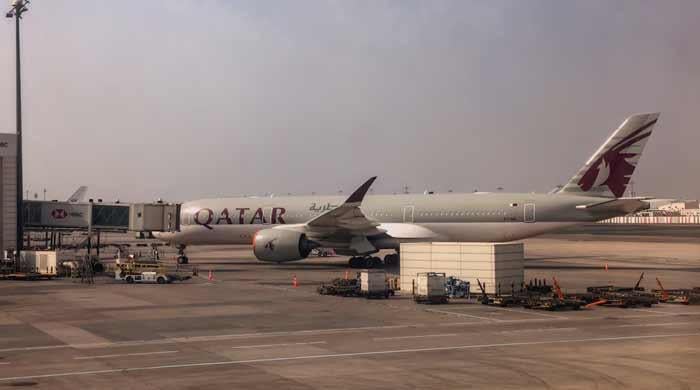
Gulf carriers have been affected most sharply. Data from Cirium Ascend showed flights operated by Middle Eastern airlines fell 50pc year-on-year in March, while bookings for the second and third quarters connecting through the main Gulf hubs were down 42.5pc.
Even so, global passenger capacity remains nearly 2pc higher so far in 2026 than in 2025, according to the same data, indicating broader resilience in the market.
The crisis has nevertheless put pressure on margins and widened the divide between stronger and weaker operators. Some airlines have avoided the worst of the fallout. Finland’s national carrier Finnair said the crisis had so far produced a net positive effect, with stronger demand for its Asian routes. Budget carrier Norwegian on Tuesday also dismissed concerns over jet fuel supply risks.
George Dimitroff, head of valuations at Cirium Ascend, said airlines had become better at responding to shocks and agreed that Covid-19 had been far more damaging.
"They’re much, much more agile now than they were in the previous decade and let alone two or three decades prior when they were pretty hopeless at it", Dimitroff said.
Comments
No comments yet. Be the first to join the discussion!