April 29, 2026
IMF allows change in captive gas levy formula, cutting rates for industry
The IMF has allowed Pakistan to revise the captive gas levy formula, potentially lowering rates for industrial users by 30% to 60%. The approval comes with conditions tied to electricity demand from the national grid.

April 29, 2026
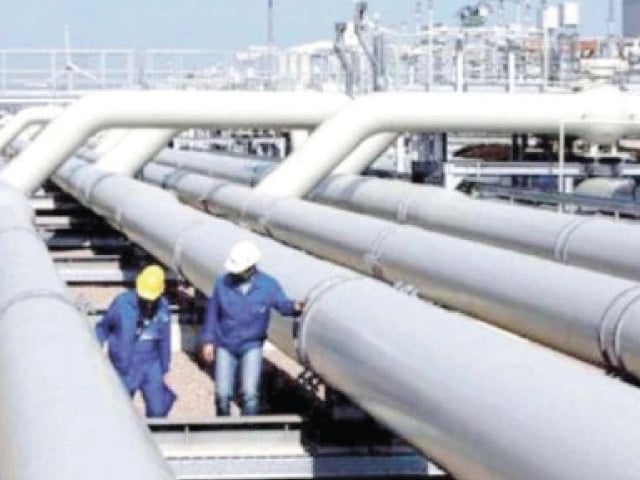
ISLAMABAD: The International Monetary Fund (IMF) has agreed to let Pakistan revise the formula used to calculate the captive gas levy, a move that is expected to lower gas prices for industrial consumers using fuel for in-house power generation by as much as 60%.
Government sources with whom The Express Tribune spoke with, the lender has conveyed its approval for a change in the methodology for determining the captive power levy. Under the revised arrangement, the reference price will no longer be based solely on the peak B3 industrial tariff. Instead, it will be calculated using a weighted average of the peak and off-peak B3 industrial tariff.
This adjustment alone would reduce the levy for March significantly. Based on the current peak tariff, the captive levy stands at Rs1,303 per mmBtu. If calculated on the weighted average of both rates, it would fall to Rs522 per mmBtu, translating into relief of 60%.
However, the reduction is not certain in every case. The levy trend over the past 10 months showed that user prices could decline in the range of 30% to 60%.
The IMF has attached conditions to the change. It has said the reduction should not negatively affect the current level of electricity withdrawal from the national grid by industrial consumers. Sources said that if power demand from the grid declines, the government would raise the gas levy to 20% a month before the scheduled time of August this year.
Requests partly accepted, partly rejected
The request to alter the pricing formula was made by Petroleum Minister Ali Pervaiz Malik during the third review talks last month. At that stage, the IMF had said it would assess the feasibility of using average tariffs for the levy calculation, but had not taken a final decision.
The government determines the levy by calculating the gap between the power tariff for the B3 industrial category notified by Nepra and the self-generation cost of captive power plants at the gas tariff notified by Ogra.
At the same time, the IMF turned down Pakistan’s requests to keep the additional 15% gas levy on industrial in-house power plants unchanged and to exclude efficient plants from the levy. It has directed the government to increase the rate to 20%, which the IMF considers more important after the adjustment in the calculation formula in order to keep prices elevated.
Sources said that if demand from the national grid drops sharply, the IMF may ask Pakistan to raise the rate to 20% from July. They added that if electricity demand from the grid falls further, the levy may even need to be increased beyond 20%.
Purpose of the levy and wider concerns
The levy represents the difference between scheduled notified industrial tariffs and is aimed at pushing industries away from gas-based in-house electricity generation and towards the national power grid, which is highly expensive and unaffordable.
During discussions with the IMF last month, Petroleum Minister Ali Pervaiz Malik said the captive power plant levy was causing major losses to the Sui companies because imported gas had been diverted to low-end consumers. The IMF was informed that in the first half of the current fiscal year, the Sui companies suffered losses of Rs104 billion and that collection of the captive power levy remained below estimates.
Because of earlier policy mistakes, consumers have been reluctant to pay high electricity prices and have been shifting to alternatives, mainly rooftop solar. Bureaucrats are considering various measures to discourage solar use, including a requirement for households to obtain a licence before installing solar panels. According to the sources, these steps have not prevented users from moving away from costly electricity.
Sources said the IMF viewed the captive power plant levy as a punitive instrument meant to discourage the use of gas in inefficient in-house plants. The shift of captive plants from gas to the national grid has raised costs for industry, especially export-oriented units.
There has previously been criticism over supplying expensive gas to less efficient captive plants operating at 30% efficiency. Some plants are said to have efficiency of about 55%, although there has been no independent verification of that claim.
The IMF has also said that captive plant users who have already moved to the national grid should not be allowed to return to the gas network after the pricing formula is changed.
0 Comments
No comments yet. Be the first to join the discussion!