Pilac to unveil upgraded Punjab Cultural Museum in Lahore
Pilac is set to open the upgraded Punjab Cultural Museum in Lahore, featuring folk romances, handicrafts, Sufi poetry, architecture and interactive displays. Officials say guided tours and educational visits are also being planned.

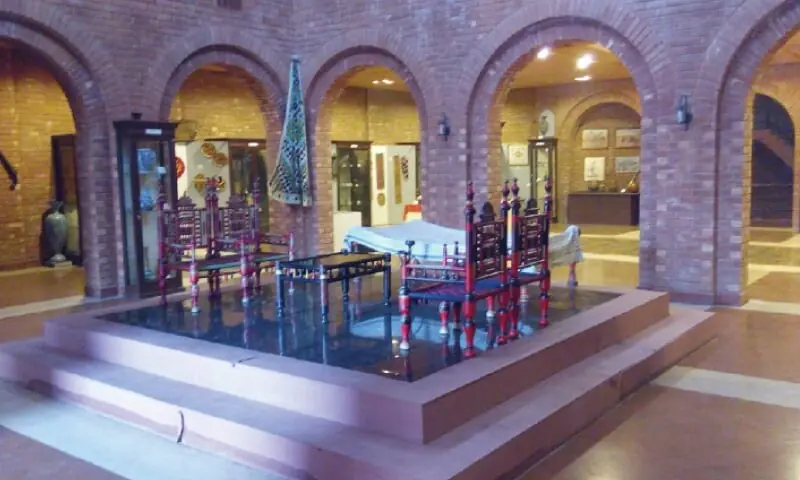
LAHORE: The Punjab Institute of Language, Art and Culture (Pilac) is preparing to open the upgraded Punjab Cultural Museum, which has been designed to take visitors through the province’s history, folklore and artistic traditions.
Officials linked to the project said the renovated museum has been developed as a cultural space bringing together Punjabi traditions in one place. They said the museum combines conventional displays with modern technology to present both the physical heritage of Punjab and its intangible traditions, including oral storytelling, music, poetry and craftsmanship.
The experience begins at the entrance, where visitors are greeted by imagery drawn from village life in Punjab. A restored traditional tonga and a buffalo diorama have been placed at the entry point to reflect the province’s rural character and agrarian foundations.
Inside, the museum features a range of handicrafts that highlight the work of Punjabi artisans. The displays present objects that reflect long-standing skills passed down through generations. The museum also recreates well-known folk romances, including Heer Ranjha and Sohni Mahiwal, through detailed dioramas accompanied by background music.
Music, textiles and spiritual traditions
A separate section has been dedicated to music, with exhibits of traditional instruments intended to show the breadth of Punjab’s musical heritage. The museum also includes a diorama focused on block printing and embroidery, presenting aspects of the province’s textile traditions.
Another recreated space, a Sufi Baithak, has been set up to give visitors a sense of spiritual poetry and musical expression in a traditional environment. The museum further explores Punjab’s cultural variety through themed exhibits, including a Cholistani village scene that depicts the life and customs of desert communities.
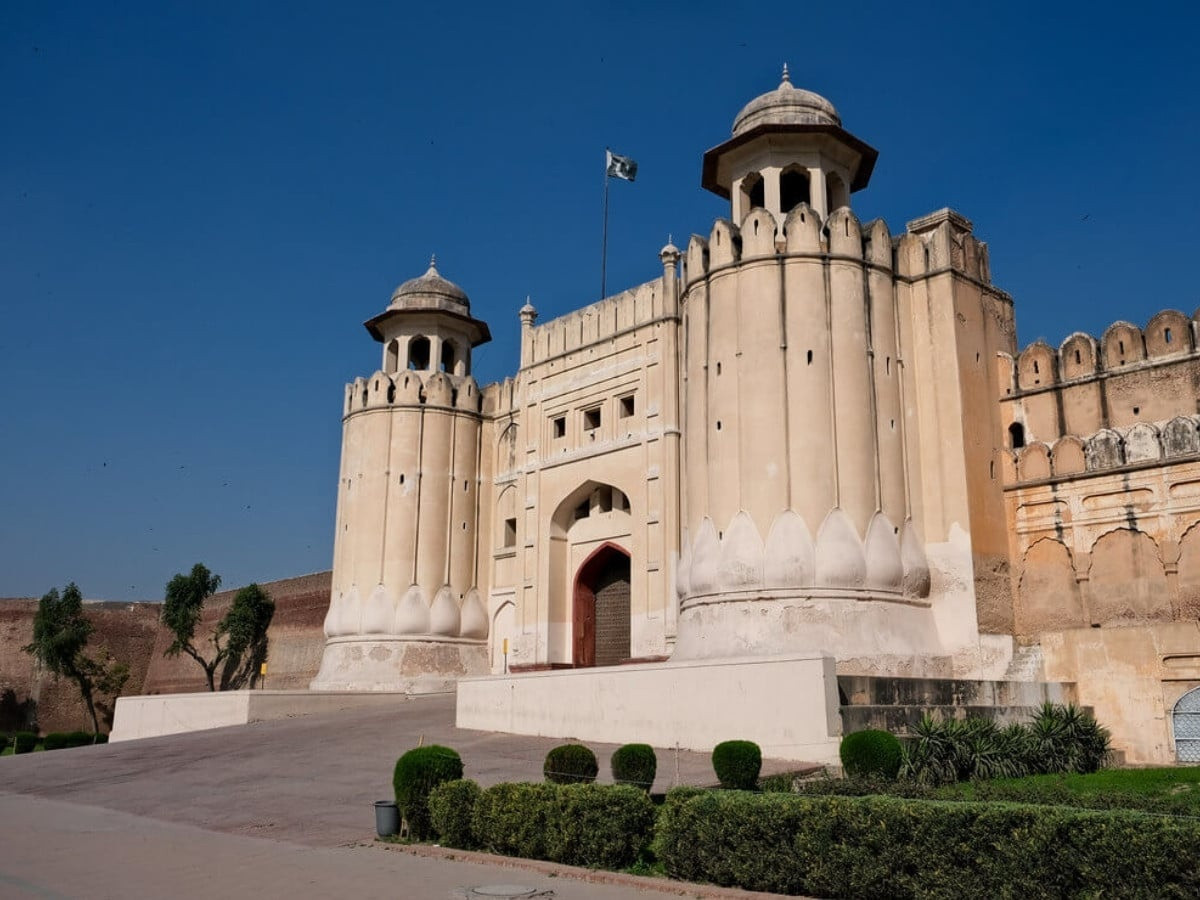
Portraits of major architectural sites from across the province are also on display. These include Noor Mahal, Lahore Fort, Gurdwara Dera Sahib, Rohtas Fort, the Tomb of Shah Rukn-e-Alam and Hiran Minar.
Interactive features and everyday life
The museum incorporates modern tools to make the experience more engaging. A virtual reality section has been added, particularly with younger visitors in mind, to offer an interactive way of exploring Punjab’s cultural landscape. A large geographical map of Punjab is also part of the display, showing its rivers, the Potohar Plateau, fertile plains, the Salt Range, Cholistan and the Thal desert.
Other exhibits portray daily life in the province through scenes of fairs, occupations and farming practices. Displays on puppetry, basketry, spinning, weaving and indigenous games have been included, along with a section on the tradition of kite flying.
Sufi poets and Aslam Kamal’s work
A dedicated section on Punjabi Sufi thought presents portraits and works of nine poets: Baba Farid, Guru Nanak, Shah Hussain, Sultan Bahu, Bulleh Shah, Waris Shah, Ghulam Rasool Alampuri, Khawaja Ghulam Farid and Mian Muhammad Bakhsh. The exhibit is intended to reflect the philosophical and literary traditions that have influenced Punjabi thought.
The museum also features a large mural on Punjab’s creative past by the late Aslam Kamal. Two more pieces from his series Sufi Poetry on Canvas, carrying verses of Sultan Bahu and Mian Muhammad Bakhsh, have also been displayed.
A Pilac official said the museum is being positioned not only as a repository of heritage but also as a space aimed at wider public engagement through planned guided tours and educational visits.
With its range of exhibits and updated presentation, the Punjab Cultural Museum is set to offer visitors a broad view of Punjab’s past and present through material culture, folklore, architecture, music and spiritual traditions.
Comments
No comments yet. Be the first to join the discussion!