Kalash Valleys gain global spotlight with UNESCO Tentative Heritage Status
UNESCO has placed the Kalash valleys in Chitral on the World Heritage Tentative List, recognizing a living indigenous culture. Pakistan will now prepare a dossier to seek full inscription.

PESHAWAR: In a major cultural breakthrough, the Kalash valleys of Khyber Pakhtunkhwa’s Chitral district have been added to UNESCO’s World Heritage Tentative List, bringing global recognition to one of Pakistan’s most unique indigenous communities.
According to UNESCO guidelines, inclusion on the Tentative List is a crucial first step toward eventual inscription on the World Heritage List, as only sites already listed can be formally nominated for final recognition.
The Kalash region—comprising the remote valleys of Bumburate, Birir, and Ramboor—is home to over 4,000 people who follow a distinct polytheistic faith and centuries-old cultural traditions.
Khyber Pakhtunkhwa’s Director General of Archaeology and Museums, Dr Abdul Samad, termed the development a landmark achievement, noting that it marks the first time an entire living community and its cultural practices have been recognised on UNESCO’s Tentative List.
“This is a significant step towards preserving both the tangible and intangible heritage of the Kalash people,” he said, adding that efforts to secure this recognition had been ongoing for more than a decade.
He explained that the next phase would involve submitting a comprehensive dossier to UNESCO, including legal frameworks and preservation measures, to move toward full World Heritage status.
The listing not only elevates the Kalash culture on the global stage but also paves the way for stronger preservation policies, community development, and protection of heritage.
KP Governor Faisal Karim Kundi welcomed the move, calling it a “major milestone” and a long-overdue acknowledgment of the province’s rich cultural and natural heritage.
Describing the Kalash cultural landscape as possessing “outstanding universal value,” UNESCO highlighted its rare status as a living indigenous system that has endured for centuries despite external pressures.
The heritage encompasses both physical and cultural elements, including over 140 ceremonial sites, ancestral graveyards with intricate wooden carvings, and traditional villages deeply tied to the community’s identity.
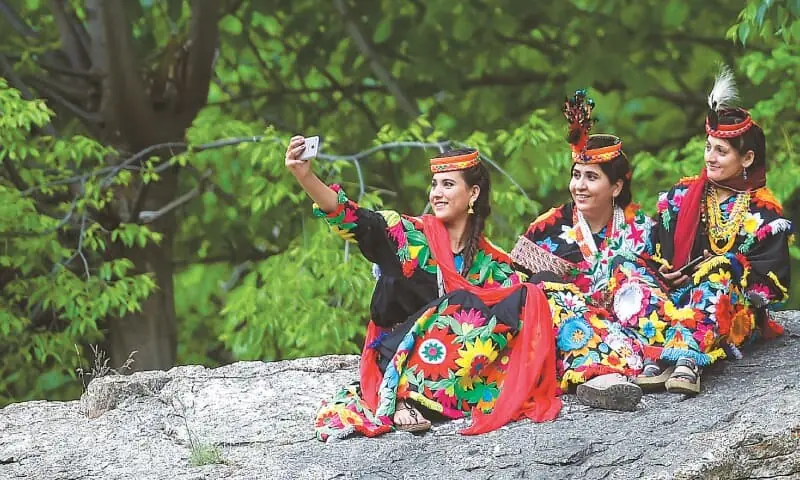
Equally significant is its intangible heritage—an elaborate system of rituals, seasonal festivals, oral traditions, music, dance, attire, and customary laws governed by a council of elders.
UNESCO noted that these elements are not relics of the past but actively practised, forming a cohesive system that continues to shape daily life, social structure, and spiritual practices—making the Kalash valleys a rare example of a fully integrated and living cultural landscape.
Comments
No comments yet. Be the first to join the discussion!