CCP study calls for tax and policy reforms in cement sector
A CCP study has proposed tax, logistics, energy and mineral sector reforms for Pakistan’s cement industry. The report says the measures are needed to improve competition, reduce distortions and support long-term growth.

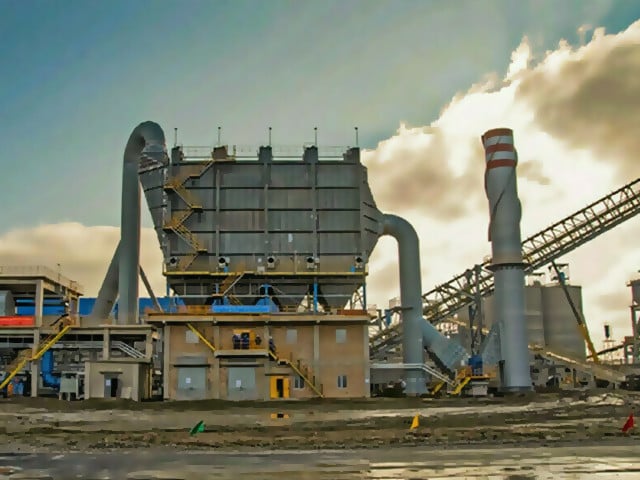
ISLAMABAD: A new study by the Competition Commission of Pakistan (CCP) has recommended tax, logistics, energy and mineral sector reforms to strengthen competition in the cement industry, reduce structural distortions and support long-term growth in one of the country’s major industrial segments.
The report, titled Competition Assessment Study of the Cement Sector in Pakistan, examines competition-related issues in the industry and sets out proposals aimed at improving efficiency and creating a more competitive market environment.
According to the study, Pakistan’s manufacturing sector remains a key part of the economy, with large-scale manufacturing contributing about 67.5% of total manufacturing output and nearly 8% to gross domestic product. Within that broader industrial base, the cement sector accounts for around 1% of GDP and serves as an essential input for infrastructure and housing, both of which are important for economic growth.
The sector has recently slowed down. During FY2025, domestic cement consumption fell in both the northern and southern regions, a trend the study linked to wider macroeconomic pressures and weak construction activity. Pakistan’s per capita cement consumption is still well below the global average, suggesting room for future expansion.
The CCP study identified a mix of structural, regulatory and strategic obstacles that it said are limiting market contestability and affecting competitive outcomes. Among the structural constraints highlighted were high capital requirements, water shortages in mineral-rich areas, the low shelf life of cement, elevated transport costs and sharp seasonal swings in demand.
These issues are being worsened by regulatory and policy distortions, including inconsistent enforcement of axle-load limits across provinces, major differences in provincial limestone royalty systems, reliance on a single coal-handling terminal at the port and what it described as a heavy, multi-layered tax burden.
The report also pointed to recent levies on fuels used by captive power plants, saying these have significantly raised energy costs and reduced industrial efficiency. In addition, weak border controls that allow smuggling, along with the presence of counterfeit cement, are undermining competitive neutrality, hurting compliant manufacturers and creating concerns over quality, safety and revenue losses.
Reform proposals
To address these issues, the study proposed what it described as a comprehensive and coordinated reform agenda focused on restoring competitive neutrality and lowering barriers to entry and expansion in the cement sector.
It stressed the need to promote development of the mineral sector so that new cement capacity can be set up and the industry’s long-term growth potential can be realised. The report also called for harmonised enforcement of axle-load rules across provinces, backed by modernised logistics systems, to improve transport efficiency and remove cost distortions.
It further recommended aligning provincial limestone royalty regimes through a uniform, transparent and predictable framework so that all market participants operate under the same conditions. The study also proposed introducing competition in coal-handling infrastructure at ports to reduce dependence on limited facilities and improve operational efficiency.
To give investors greater certainty and reduce unpredictability, the report emphasised the importance of a stable tax policy under a medium-term framework. It also recommended rationalising energy pricing through cost-reflective tariffs and time-of-use mechanisms.
Comments
No comments yet. Be the first to join the discussion!