India and New Zealand sign free trade deal amid global economic uncertainty
India and New Zealand have signed a free trade agreement that will cut tariffs, expand services access and include visa quotas for Indian professionals. The pact comes amid global trade disruption and energy shocks linked to conflict in the Middle East.

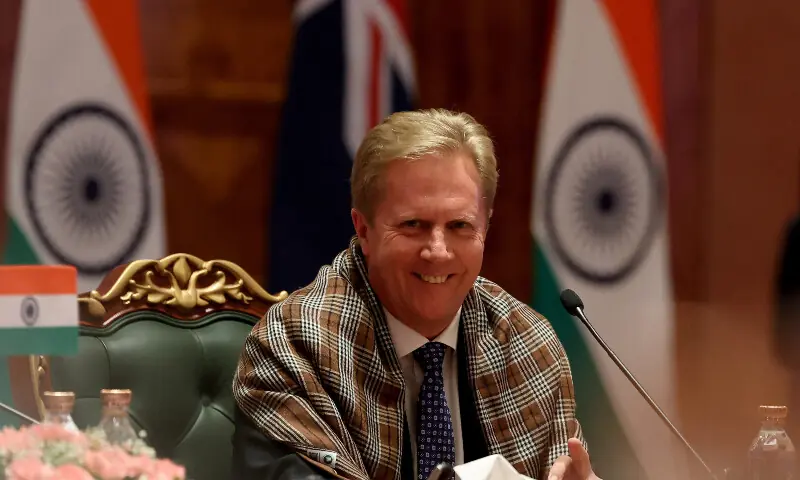
New Delhi: India and New Zealand signed a free trade agreement on Monday, with both sides seeking to expand economic ties at a time of global uncertainty linked to US tariff measures and the war in the Middle East.
The agreement, whose negotiations concluded in December 2025 after about nine months of talks, is set to widen Indian access for products including engineering goods, machinery and textiles, while keeping protections in place for India’s sensitive dairy sector.
India’s Commerce Minister Piyush Goyal, who signed the pact alongside New Zealand Trade Minister Todd McClay, said “This forward-looking agreement will also facilitate $20 billion of investment into India”.
In return, India has agreed to lower tariff barriers in areas such as forestry, lamb and wool, and provide quota-based access for fruits including apples. The deal will also reduce tariffs on key fruit imports such as kiwifruit and apples, broadening trade opportunities as the two countries deepen economic engagement.
Trade between the two countries remains relatively limited. Indian data showed merchandise trade at about $1.3bn in 2024-25, while total trade in goods and services was estimated at around $2.4bn in 2024.
Tariff cuts and sectoral access
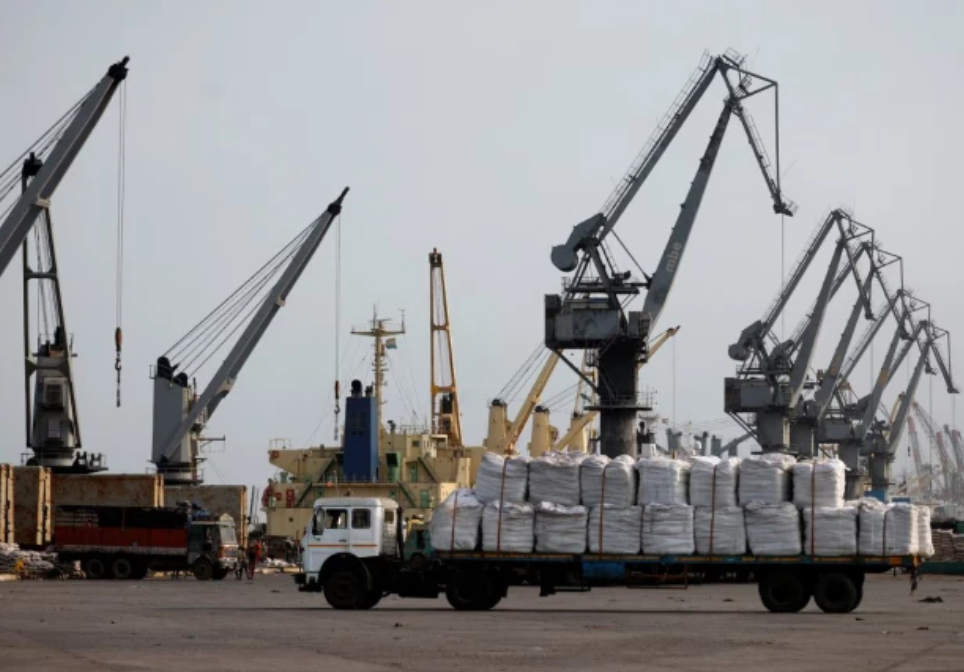
The agreement will cut or eliminate tariffs on 95 per cent of New Zealand’s exports to India, including seafood, iron, steel and scrap aluminium. More than half of New Zealand’s exports to India will become duty-free immediately, while tariffs on other products will be reduced over time, New Zealand said in a statement.
On agriculture, Goyal said India had excluded dairy, coffee, sugar, spices, edible oils and rubber from market access commitments in order to shield domestic producers. That exclusion was a setback for New Zealand’s dairy industry, which is the country’s largest export sector.
Under the pact, tariffs on wine will be lowered over 10 years. It also provides immediate duty-free access for dairy and other food ingredients intended for re-export, while duty-free access for bulk infant formula and other high-value dairy products will be phased in over seven years. In addition, a tariff on high-value milk albumins will be cut by half within a New Zealand-specific quota.
The agreement is also expected to support Indian exports in textiles, leather, pharmaceuticals, engineering goods and automobiles, while allowing duty-free access to industrial inputs such as wooden logs, coking coal and metal scrap.
Services, visas and political reaction
New Zealand will provide market access across 118 services sectors, covering areas from professional, audio-visual and computer-related services to construction, telecommunications and tourism.
Indian officials said the deal includes a quota of 5,000 temporary employment visas for Indian professionals and 1,000 working holiday visas, while also easing post-study work rights for Indian students.
New Zealand Prime Minister Christopher Luxon described the accord as a “once-in-a-generation agreement” and said it would give local exporters unprecedented access to India.
“It means more jobs on farms and orchards, it means more money coming into local communities, and it means more opportunities for your family to get ahead”, Luxon said.
McClay said the pact would help New Zealand pursue its target of doubling exports in 10 years.
This deal will deliver thousands of jobs and billions of dollars in additional exports.
However, parts of the agreement have drawn criticism in Wellington. These include expanded visa access for skilled Indians, with New Zealand officials telling AFP that the deal could result in more than 20,000 Indian migrants entering the country. The right-wing populist NZ First party has also raised concerns over a NZ$34bn (US $20bn) investment that New Zealand is bound by the agreement to make in India over a 15-year period.
The deal was reached as countries look for new markets after US President Donald Trump’s tariff war disrupted global trade. The war in the Middle East has also triggered a global energy shock, affecting production in several sectors and adding to pressure for stronger trade ties and reduced protectionism.
Comments
No comments yet. Be the first to join the discussion!