

China, Thailand deepen strategic ties, call for stronger regional cooperation
China’s Wang Yi and Thailand’s Sihasak Phuangketkeow co-chair talks in Bangkok, reaffirming plans to expand cooperation, fight transnational crime, and boost regional stability through dialogue.

BANGKOK: Chinese Foreign Minister Wang Yi and Thailand’s Deputy Prime Minister and Foreign Minister Sihasak Phuangketkeow on Friday co-chaired the third meeting of the China-Thailand Foreign Ministers’ Consultation Mechanism, reaffirming their commitment to deepening strategic cooperation and promoting regional stability.
The meeting, held in Bangkok, focused on strengthening bilateral relations amid a volatile global environment. Wang noted that the year marks both the beginning of China’s 15th Five-Year Plan and the start of a new governance phase for Thailand, presenting fresh opportunities for enhanced collaboration.
He emphasised that both countries should build on the strategic consensus reached by their leaders to advance modernisation efforts, uphold genuine multilateralism, and usher in a “new golden era” of China-Thailand friendship. Wang also highlighted the importance of contributing to the unity and development of the Global South, as well as maintaining regional peace and stability.
Reaffirming China’s diplomatic priorities, Wang said Beijing places Thailand at a key position in its neighbourhood policy and remains committed to being a reliable strategic partner. He expressed support for Thailand’s development path and called for closer coordination in aligning national strategies, expanding high-level exchanges, and formulating a new five-year cooperation plan.
The Chinese foreign minister also stressed the need to intensify joint efforts against transnational crimes, including online gambling and telecom fraud, while enhancing multilateral cooperation and advancing major global initiatives.
On regional issues, Wang reiterated China’s position that disputes should be resolved through dialogue rather than force. He encouraged Thailand and Cambodia to consolidate the ceasefire situation, resume bilateral engagement, and work towards resolving border issues. He added that China is willing to continue playing a constructive role in facilitating dialogue and rebuilding trust between the two sides.
For his part, Sihasak reaffirmed Thailand’s commitment to strengthening ties with China, including adherence to the one-China policy and continued political support for Beijing’s core interests. He expressed Thailand’s willingness to expand cooperation across sectors such as connectivity, trade, and security, particularly in combating transnational crime.
Sihasak also welcomed China’s global initiatives and appreciated its role in promoting regional peace, including efforts to mediate tensions between Thailand and Cambodia.
Both sides exchanged views on regional frameworks, including the Lancang-Mekong Cooperation (LMC) and East Asia cooperation, agreeing to enhance coordination and work towards building an upgraded “LMC 2.0” to further strengthen regional integration and shared development.
The meeting underscored the growing strategic alignment between China and Thailand as they seek to navigate global uncertainties through deeper cooperation and sustained diplomatic engagement.
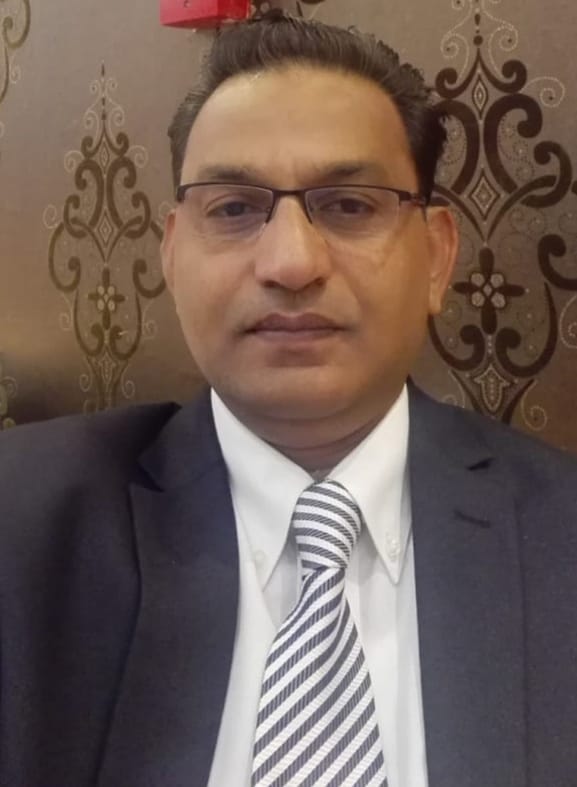
The writer is Head of News at Pakistan Today. He has a special focus on current affairs, regional and global connectivity, and counterterrorism. He tweets as @mian_abrar and also can be reached at [email protected]
View all articles →Comments
No comments yet. Be the first to join the discussion!


