Policy for next crisis
PM Shehbaz Sharif calls for speeding up EVs and creating a strategic petroleum reserve. The analysis weighs costs, timing, and power solutions like battery storage, warning against repeating past missteps.

PM’s call for EVs and strategic reserves a little late
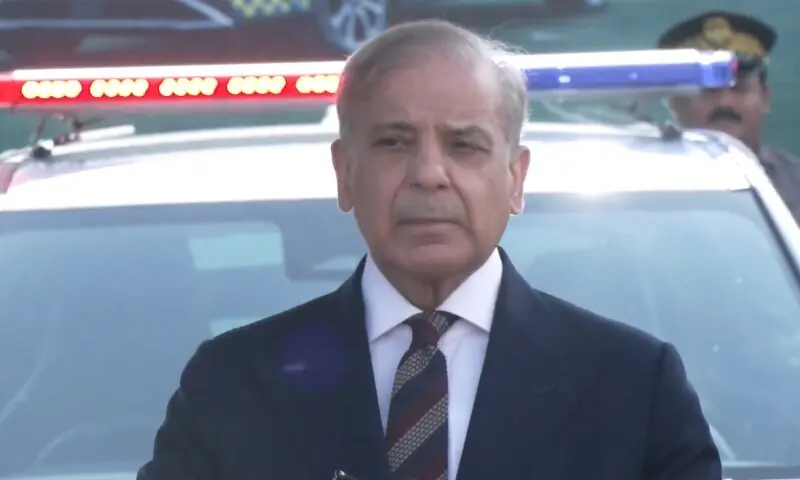
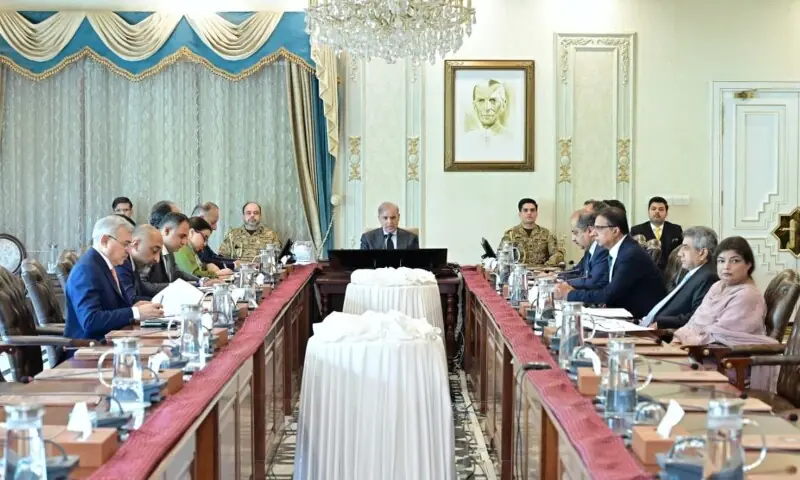
Prime Minister Shehbaz Sharif is either lackadaisical, or he knows something no one else does. He has called for the shift towards electric vehicles to be speeded up, and for the establishment of a strategic petroleum reserve. Even if the government was to push matters along, neither would be useful in overcoming the present crisis. However, if there present crisis lasts a long time, such as a couple of years, the shift to electric vehicles would reduce the fuel export bill. Admittedly, the foreign exchange thus saved would probably go on EV imports. As for a strategic reserve, that requires two things, crude oil (or refined products) to be stored and places to store it in. Both will require money. The present conservation measures, such as closing schools and government offices, are perhaps all the government can do.
Reserves are problematic, for they cost money. Also, a shortage is not the best time to start buying to save up fuel, even if one has somewhere to put it, which it does not at the moment. The reserve will be needed if shipments stop, but there will Always be the temptation to use
up the reserve, which after all represents blocked funds. For a country already on an IMF programme, and heading towards another, it is the sort of extravagance it cannot afford. Yet it cannot afford to do without one. It should also be remembered that whoever pays for the reserve will control it. The government will try to make the oil marketing companies pay, in which case it will not be able to stop them making profits at the time of release.
The PM showed an accurate understanding of the power situation when he told officials that authorities should encourage consumers to adopt battery storage solutions, so as to better manage surplus electricity. True, this would shift the burden of investing in battery storage to the consumer, but it contrasts with the recent attempt to discourage solarization by lowering the buyback tariff. The PM is encouraging consumers to abandon the grid entirely, where solar consumers only remain for power supply in hours of darkness. However, it should be noted that Pakistan has navigated this crisis relatively without catastrophe because so many power consumers had gone solar. The PM should consider what would be the situation if the government too had gone solar. He should consider that option before the next crisis.

The Editorial Department of Pakistan Today can be contacted at: [email protected].
View all articles →Comments
No comments yet. Be the first to join the discussion!