PM orders strategic oil reserves, EV shift amid regional energy shock
Prime Minister Shehbaz Sharif directs work on strategic crude oil reserves to cushion external supply shocks and orders a nationwide shift to electric buses, bikes, and EV charging infrastructure.

Premier Shehbaz calls energy security ‘critical to national future planning,’ directing work on strategic oil reserves, EV transition
Says strategic crude oil reserves planned to cushion external supply disruptions
Pushes shift to electric buses and bikes in public sector, ordering nationwide rollout of EV charging stations and battery storage systems
Orders inquiry into non-functional GB early warning systems ahead of monsoon season
Officials say no energy crisis so far, citing timely conservation measures and adequate petroleum stocks
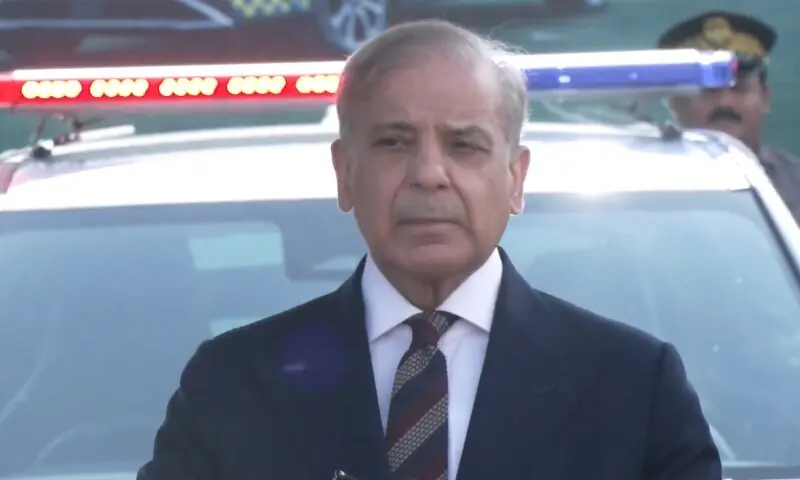
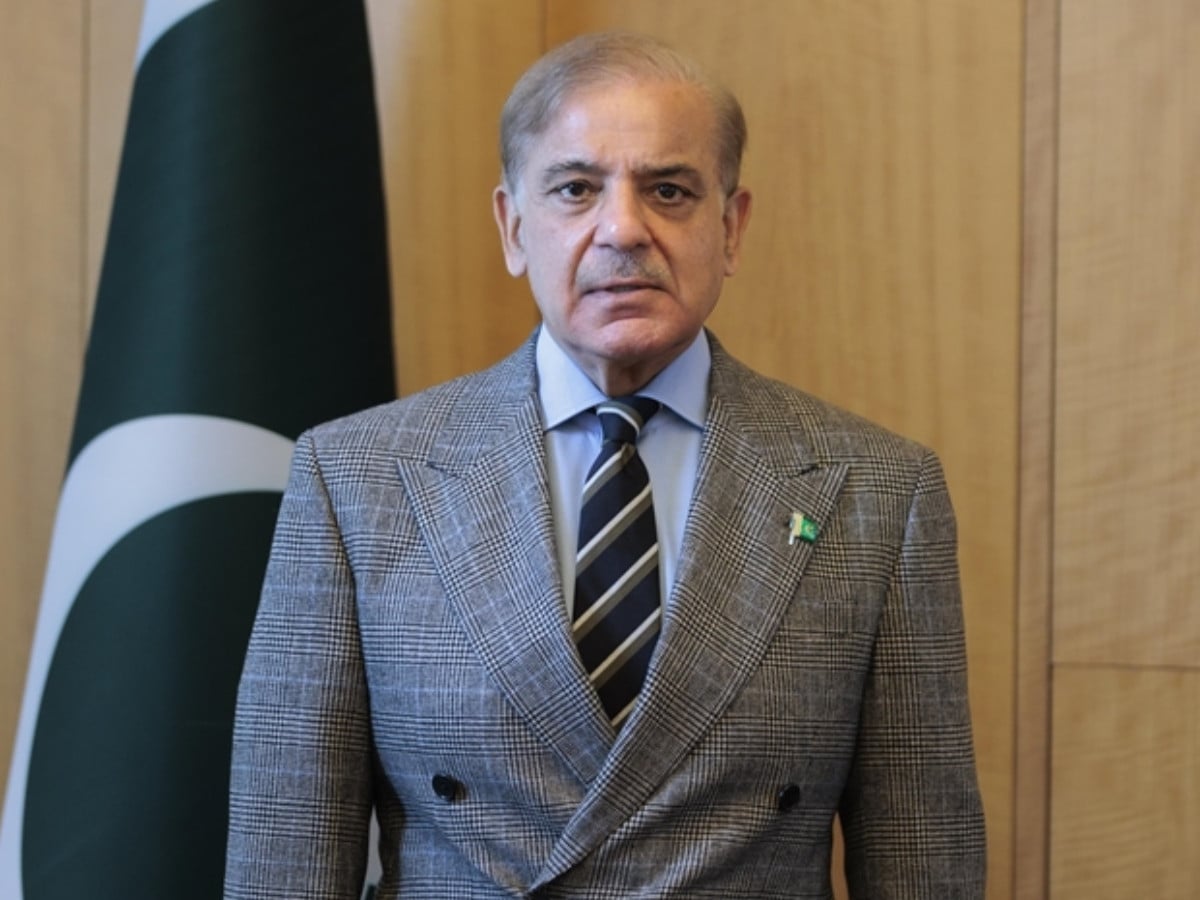
ISLAMABAD: Prime Minister Shehbaz Sharif on Thursday directed authorities to strengthen energy security planning, including the development of strategic oil reserves and acceleration of the shift toward electric vehicles, amid rising concerns over fuel supply disruptions triggered by the ongoing US-Iran-Israel conflict.
“Energy security has now become a critical component of the country’s overall future planning,” the prime minister said, instructing officials to continue work on establishing strategic crude oil reserves to meet future energy needs. The move, according to a statement issued by the Prime Minister’s Office (PMO), is aimed at cushioning Pakistan against external supply shocks.
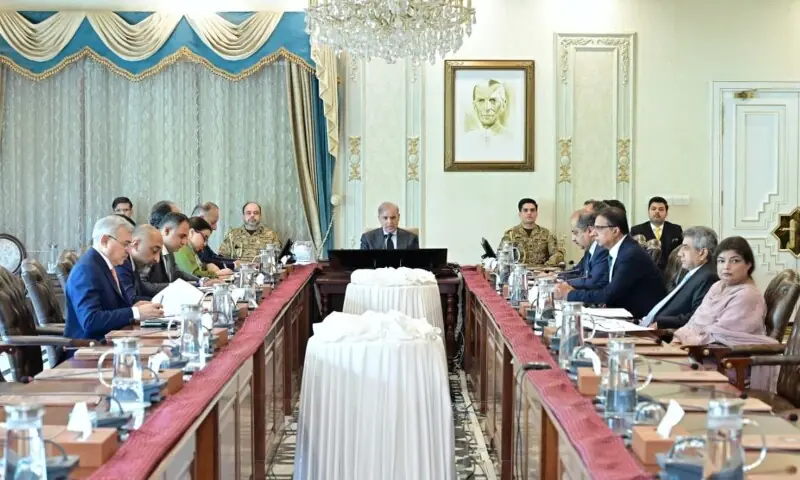
Prime Minister Muhammad Shehbaz Sharif chairs a meeting regarding energy security, in Islamabad. pic.twitter.com/NKopoAGbxi
— Government of Pakistan (@GovtofPakistan) April 23, 2026
The prime minister chaired a high-level meeting on energy security, where officials reviewed national preparedness in light of the evolving regional situation, the PMO said.
The Middle East conflict—centred on Iran, Israel and the United States—has disrupted global energy flows by constraining traffic through the Strait of Hormuz, a key maritime route carrying around one-fifth of global oil and gas. Disruptions, including threats to shipping and countermeasures affecting Iranian-linked vessels, have left tankers stranded or rerouted, tightening supply and pushing global oil prices higher.
وزیراعظم محمد شہباز شریف کی زیر صدارت انرجی سیکیورٹی کے حوالے سے اہم اجلاس
بریفنگ میں بتایا گیا کہ علاقائی صورتحال کے تناظر میں توانائی کے شعبے کے حوالے سے تشکیل دی گئی نیشنل کوآرڈینیشن اینڈ مینجمنٹ کونسل (NCMC) صورتحال کا روزانہ کی بنیادوں پر جائزہ لے رہی ہے۔ اور تیل اور گیس… pic.twitter.com/sVo0c52f8f— Government of Pakistan (@GovtofPakistan) April 23, 2026
The resulting volatility has unsettled international markets, driven inflationary pressures, and raised concerns over food security as higher fuel costs feed into transport and fertilizer prices, particularly affecting import-dependent economies like Pakistan.
The prime minister noted that timely policy interventions and energy conservation measures had so far helped avert an energy crisis despite external pressures.
He also directed a gradual transition in the transport sector toward environmentally friendly electric vehicles (EVs), ordering that in future only electric buses and motorcycles be procured for government use. He further instructed acceleration in the rollout of EV charging infrastructure nationwide.
The prime minister also called for the development of a framework to facilitate access to batteries for storing surplus solar-generated electricity and emphasized promoting local manufacturing of high-quality storage batteries to support renewable energy expansion.
Officials briefed the meeting that the National Coordination and Management Council (NCMC) is monitoring the energy situation on a daily basis. They added that Pakistan currently has sufficient petroleum reserves and a stable food security outlook.
They further informed that oil and gas companies are working to enhance domestic production, while two pilot projects for grid-level battery storage are being prepared under PC-I approvals. Authorities are also encouraging household solar users to adopt battery storage systems to better manage surplus electricity.
PM orders inquiry into non-functional early warning systems in GB
Meanwhile, the prime minister also ordered an inquiry into the non-functional early weather warning systems in Gilgit-Baltistan (GB), expressing strong displeasure over their failure despite clear directives issued last year.
Chairing a separate meeting on monsoon preparedness and climate risk mitigation, the prime minister warned that negligence and poor performance by relevant institutions would not be tolerated.
اسلام آباد : 23 اپریل, 2026.
وزیراعظم محمد شہباز شریف کی نے مون سون کی پیشگی تیاری، موسمیاتی تغیر اور ماحولیاتی خطرات سے بچاؤ کے اقدامات پر جائزہ اجلاس کی صدارت کی.
غیر معمولی موسمیاتی تغیر، بالخصوص گلوف سے بچاؤ کے لیے گلگت بلتستان میں نصب پیشگی وارننگ سسٹم کے مکمل طور پر… pic.twitter.com/UbK81Q72f6— Prime Minister's Office (@PakPMO) April 23, 2026
He expressed concern over the failure to fully operationalise early warning systems installed in GB, particularly those designed to prevent Glacial Lake Outburst Floods (GLOFs), and ordered a formal inquiry into continued non-functionality.
“Pakistan is among the countries most affected by climate change, and urgent action is required,” he said, stressing coordinated national efforts to mitigate environmental risks.
Prime Minister Muhammad Shehbaz Sharif chairs a meeting on preparedness for Monsoon season and strategy to counter Climate Threats. 23 April, 2026. pic.twitter.com/AUiqH3ehnG
— Prime Minister's Office (@PakPMO) April 23, 2026
The prime minister directed federal institutions to work closely with provinces to remove implementation bottlenecks and ensure effective coordination. Referring to last year’s monsoon season, he noted that illegal encroachments along riverbeds and flood channels had worsened flood impacts, adding that a stronger pre-emptive strategy had been adopted this year.
He further instructed all departments to ensure full functionality of early warning systems and strengthen digital monitoring infrastructure, directing them to go beyond existing resource constraints to ensure public safety during potential flood events.
The meeting was attended by federal ministers including Planning Minister Ahsan Iqbal, Law Minister Azam Nazeer Tarar, Economic Affairs Minister Ahad Khan Cheema, Climate Minister Musadik Malik, and Finance Minister Muhammad Aurangzeb, along with senior officials and provincial chief secretaries.
Briefings were also given by Inam Haider Malik of the National Disaster Management Authority and Muhammad Saeed of the Water and Power Development Authority, alongside representatives of the Ministry of Climate Change.
Officials noted that last year’s floods caused estimated losses of Rs3,856 billion, with an additional Rs740 billion in potential economic losses, according to the Planning Ministry. The NDMA reported in September 2025 that 1,006 people lost their lives during the rains and floods, including 304 in Punjab and 504 in Khyber-Pakhtunkhwa, with detailed breakdowns of casualties across age and gender categories.
Comments
No comments yet. Be the first to join the discussion!