US, Pakistan review diplomacy ahead of key Islamabad Talks
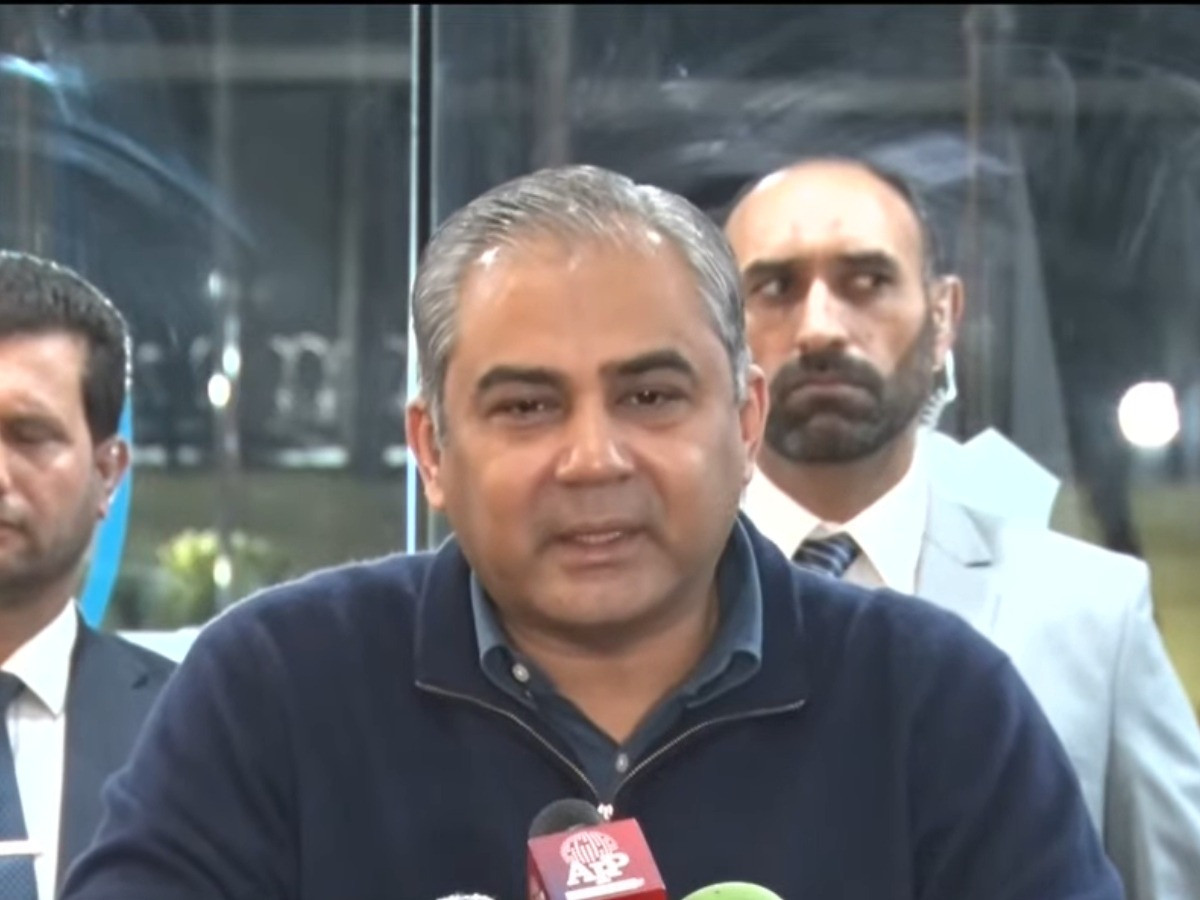
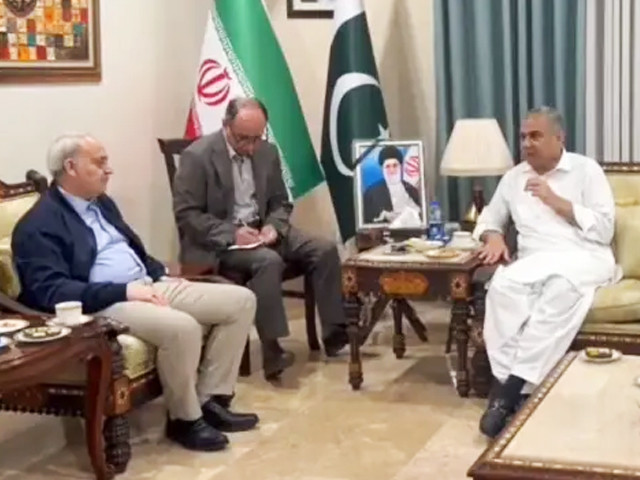
US Charge d’Affaires Natalie Baker met Pakistan’s Interior Minister Mohsin Naqvi to review progress ahead of the second Islamabad talks, as regional US-Iran tensions continue and Pakistan pushes de-escalation.

ISLAMABAD: US Charge d'Affaires Natalie Baker on Thursday met Interior Minister Mohsin Naqvi to review ongoing diplomatic efforts ahead of the second round of negotiations in Islamabad, amid continued regional tensions involving the United States and Iran.
According to a statement issued by the Ministry of Interior Pakistan, both sides discussed the evolving regional situation and assessed progress in diplomacy leading up to the next phase of talks.
During the meeting, Naqvi expressed optimism about the direction of negotiations, noting that positive developments were also expected from Tehran. He highlighted that Prime Minister Shehbaz Sharif and Chief of Army Staff and Chief of Defence Forces Asim Munir were actively engaged in efforts at multiple levels to help resolve the crisis.
“It is hoped that both sides will give diplomacy and a peaceful solution a chance,” Naqvi said.
The interior minister also appreciated US President Donald Trump for his decision to extend the ceasefire, describing it as a significant step toward reducing tensions in the region.
Natalie Baker, in turn, praised Pakistan’s constructive role in facilitating dialogue and promoting peace, acknowledging Islamabad’s growing importance in ongoing mediation efforts.
The engagement reflects a pragmatic phase in US–Pakistan relations, shaped by the ongoing crisis with Iran. Pakistan has positioned itself as a key intermediary, leveraging its diplomatic channels with both Washington and Tehran to help de-escalate tensions.
President Trump’s decision to extend the ceasefire — reportedly at the request of Pakistan’s leadership — underscores Washington’s reliance on Islamabad’s backchannel diplomacy at a critical juncture.
Despite historically fluctuating ties, particularly in the post-Afghanistan war period, the current cooperation signals a renewed convergence of interests. Pakistan’s geographic position and diplomatic access have made it a central player in managing escalation risks in the Gulf.
However, the evolving conflict dynamics add complexity to this engagement. While the US continues to maintain military pressure on Iran through deterrence measures, it has simultaneously endorsed talks facilitated by Pakistan.
This dual-track approach places Pakistan in a delicate balancing role as an “honest broker,” engaging both sides while navigating competing strategic expectations.
Analysts note that for Washington, Pakistan offers a viable diplomatic channel to pursue de-escalation without direct concessions, while for Islamabad, mediation enhances its global standing without direct military involvement.
The durability of this alignment, however, will depend on whether the ongoing negotiations yield concrete outcomes or if renewed hostilities push both sides back toward a more transactional, security-driven relationship.
Comments
No comments yet. Be the first to join the discussion!