

New drugs offer fresh hope in pancreatic cancer treatment
Researchers say several new pancreatic cancer drugs are showing promise after decades of limited progress. One experimental treatment, daraxonrasib, was reported to have doubled survival compared with chemotherapy in a control group.

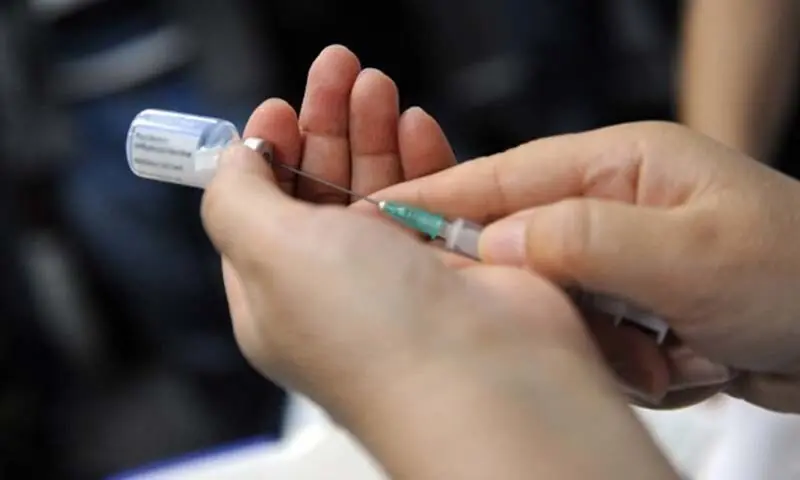
PARIS: Researchers are reporting encouraging progress in the treatment of pancreatic cancer after decades in which the disease saw little therapeutic advancement.
Pancreatic cancer is widely regarded as one of the most aggressive forms of the disease. Research showed that only around one in 10 patients survive for more than five years after diagnosis. Cases have been rising around the world, particularly among younger adults.
Pancreatic cancer is expected to become the second deadliest cancer in developed countries in the years ahead, behind only lung cancer.
Researchers point to renewed momentum
Patrick Mehlen, a researcher at France’s Leon Berard cancer centre, said the field had seen no meaningful therapeutic progress for decades. He said there had not been any medical progress for 40 years.
Mehlen said increased funding and stronger scientific interest over the last 10 years had begun to make a real difference. While a cure remains far off for most patients, some of the emerging treatments could help extend survival by several months.
Experimental drug shows positive results
The most notable recent development came last week, when US pharmaceutical company Revolution Medicines announced positive trial results for its experimental drug daraxonrasib.
The treatment targets a protein known as KRAS, which plays an important role in tumour growth. Half of the patients who received the pill lived for more than 13 months. That was described as twice as long as the survival seen in a control group treated with chemotherapy.
The latest findings have raised hopes that new therapies may begin to improve outcomes in a cancer long associated with very poor survival rates. Even so, a cure is still a long way off for most patients.
"There has not been any medical progress for 40 years but more funding and interest over the last decade has finally been making a real difference,” Patrick Mehlen, a researcher at France’s Leon Berard cancer centre said.
The developments come amid growing concern over the global burden of pancreatic cancer and the limited treatment options that have historically been available to patients diagnosed with the disease.
Comments
No comments yet. Be the first to join the discussion!


