Netflix AI push raises concerns over visual effects jobs worldwide
Netflix’s acquisition of AI firm InterPositive has sharpened concerns about job losses in the global visual effects industry. Industry experts say entry-level workers and overseas post-production hubs could face the greatest pressure.

Washington: Netflix’s expanding use of artificial intelligence in production is drawing concern across the global visual effects industry, where artists in countries including India, South Korea, the Philippines and parts of Latin America handle labour-intensive post-production work.
In March, Netflix bought InterPositive, an AI company founded by Hollywood actor Ben Affleck, for an undisclosed amount. The technology developed by the company can automate tasks such as colour grading, relighting and continuity corrections, work that is currently carried out frame by frame by visual effects artists.
Netflix has said the technology would be shared only with its in-house creative partners and not with competing production companies. Affleck is set to serve the streaming company as a senior adviser.
The development has intensified debate over AI’s effect on employment in visual effects, a sector that employs more than two million people globally. Mohsin Kazi, a compositing supervisor at DNEG, said the pressure would likely be felt most sharply by junior workers entering the field.
"If AI tools begin handling tasks like clean-up, relighting, or even base compositing, the biggest impact will be at that entry level, "Kazi told Rest of World, adding that "those early-stage opportunities are where artists traditionally learn by doing."
A study commissioned by the Animation Guild and other Hollywood labour groups found that about 75% of entertainment industry executives were already using AI in 2023 to remove, reduce or consolidate jobs. Based on a survey of 300 participants, the study estimated that up to 118,500 jobs could disappear within three years in the United States alone. No comparable global estimate was cited in the report.
Some industry observers have argued that productivity gains from AI could encourage Netflix and other streaming platforms to order more productions, potentially offsetting some job losses. However, Kimberly Owczarski, an associate professor of film, television, and digital media at Texas Christian University, said recent industry trends do not support that view.
"That seems unlikely, given the shrinkage in the overall number of film and TV series productions in recent years across the globe," Owczarski told Rest of World.
Los Angeles County has lost 41,000 film and television jobs over the past three years, amounting to a quarter of its entertainment workforce. Netflix, which commissions content in dozens of countries, ended last year with more than 325 million subscribers and generated $45.2 billion in revenue.
The company did not answer questions about how its AI tools could affect its international post-production workforce.
India’s role in rotoscoping under focus
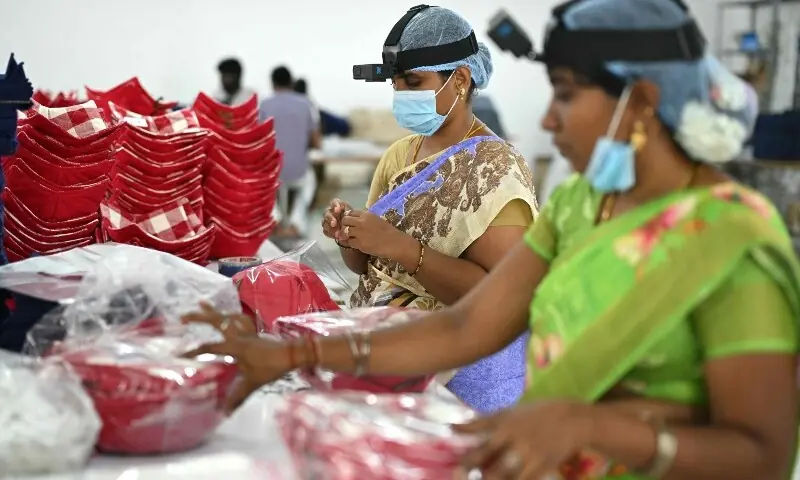
Joseph Bell, author of the Visual Effects & Animation World Atlas, said more than 90% of Hollywood’s rotoscoping work is carried out in India. Rotoscoping involves tracing shapes frame by frame in live-action footage so that visual effects can be added to a scene.
"AI will get there sooner than later, but at the time of writing, the technology hasn't swept away those jobs yet," Bell told Rest of World. "The jobs AI creates may not be the same - or as many - as the jobs that it replaces in the coming years, but it's not a one-way street."
Even before acquiring InterPositive, Netflix had been building AI-linked production capacity. On March 12, the company opened a 32,000-square-foot Eyeline Studios facility in Hyderabad, which it said is intended for generative virtual effects.
In a statement, Netflix chief product and technology officer Elizabeth Stone said the company’s AI approach is focused on meaningfully serving the needs of the creative community.
Netflix has not clarified whether visual effects studios in India, South Korea or Latin America that work on Netflix originals would be considered creative partners eligible to use InterPositive’s tools.
Industry strain predates latest acquisition
The vulnerability of the visual effects business had already been exposed before the InterPositive deal. In February 2025, Paris-based Technicolor, described as one of the world’s largest visual effects companies and a major vendor for Disney, Paramount and Netflix, collapsed under debt and shut its India operations.
About 3,000 workers in Bengaluru and Mumbai were left without pay, notice or severance.
In the United States, studios are currently negotiating contracts with Hollywood labour unions, where AI safeguards are a key issue. Workers in post-production hubs such as India and South Korea, who support many of the same studios, do not have comparable representation.
"Conversations are happening, but mostly informally - within teams, studios, or peer groups - rather than through organized industry channels," Kazi said.
Comments
No comments yet. Be the first to join the discussion!