Iran denounces 'biased' UN draft, warns of escalation risks amid ongoing crisis
Iran’s UN ambassador Amir Saeed Iravani condemns a Bahrain-GCC draft resolution as one-sided, warns it could escalate the crisis, and calls for mediation while criticizing US and Israel actions.

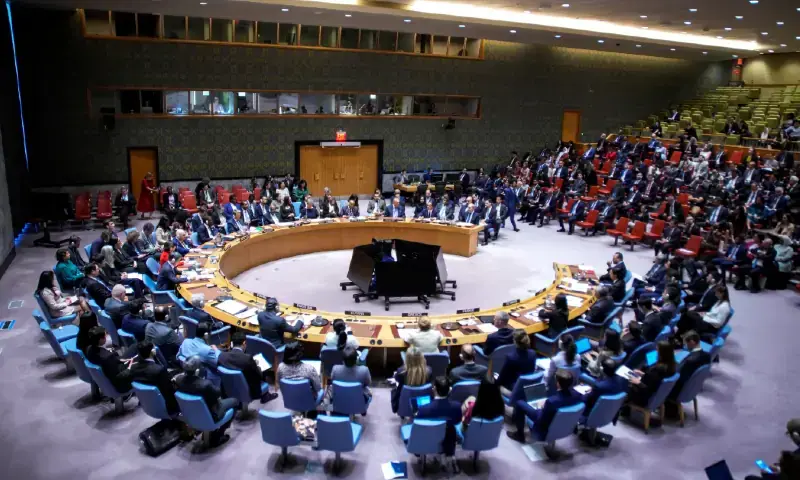
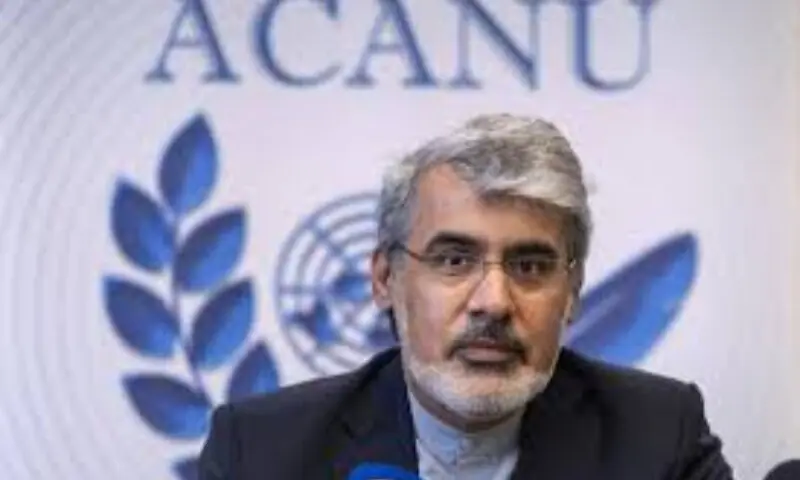
UNITED NATIONS: Iran’s ambassador to the United Nations, Amir Saeed Iravani has strongly criticised a draft resolution presented by Bahrain in coordination with the Gulf Cooperation Council, calling it one-sided and dangerous during a session of the UN General Assembly.
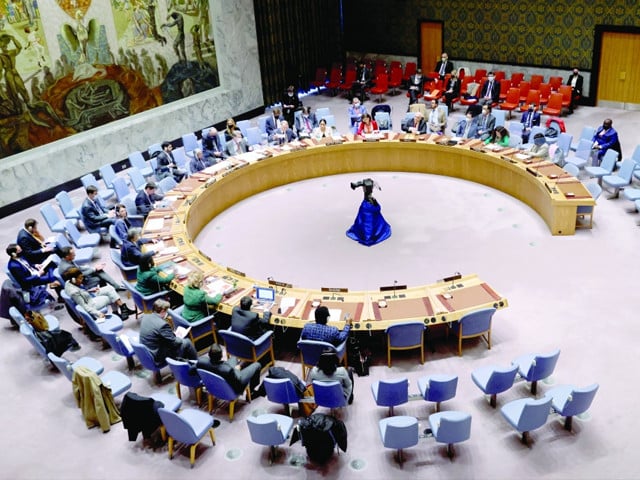
The resolution, initially tabled at the UN Security Council on April 7, was vetoed by China and Russia, which supported an alternative draft aimed at promoting a negotiated settlement.
Speaking at the meeting, Iravani said the draft ignored what Iran considers the root cause of the crisis — an “illegal and savage” war launched by the United States and Israel against Iran on February 28, during which former supreme leader Ayatollah Ali Khamenei was assassinated. He warned that adopting such a resolution would set a dangerous precedent by undermining sovereign rights, weakening the UN Charter, and increasing the risk of further escalation.
Iran reiterated its longstanding position on maritime security, stating that it has consistently upheld freedom of navigation in the Strait of Hormuz while reserving the right to prevent its use for hostile or military purposes. At the same time, Tehran condemned a US-announced maritime blockade, describing it as a clear violation of international law and an act of aggression that infringes upon Iran’s sovereignty and disrupts lawful global commerce.
The Iranian envoy also accused Washington and Tel Aviv of committing war crimes during weeks of sustained attacks, alleging strikes on civilian infrastructure including schools, hospitals, and cultural sites. He said these violations had been formally reported to the United Nations.
Tehran further criticised UN Security Council, which condemned Iran’s missile and drone strikes against several Gulf countries, arguing that it disregards the alleged aggression by the United States and Israel and denies Iran’s inherent right to self-defence under Article 51 of the UN Charter.
Despite the sharp criticism, Iran expressed cautious support for diplomatic efforts to end the conflict. Iravani welcomed mediation initiatives involving Pakistan, Turkey, Egypt and Saudi Arabia, as well as broader efforts by China and Russia, while acknowledging deep mistrust toward Washington.
Tehran has also called for US accountability over the killing of its leaders and continues to reject demands to halt its nuclear programme, maintaining that its activities remain peaceful.
Comments
No comments yet. Be the first to join the discussion!