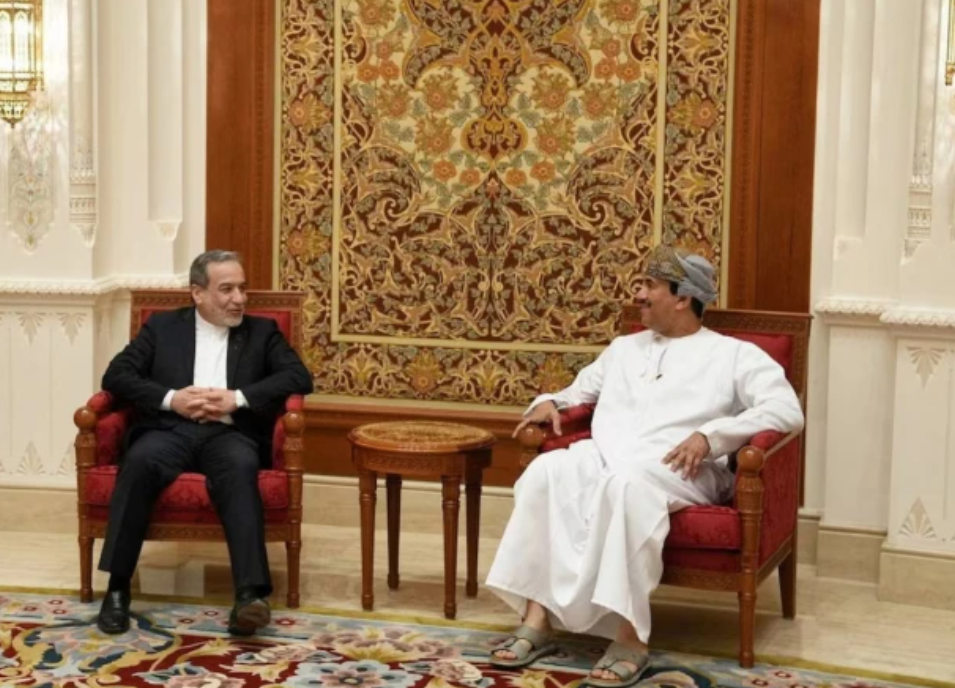
Oman said peace was within reach before US-Israel strikes on Iran
Oman signalled late February that diplomacy with Iran was close, with terms on uranium limits and IAEA verification. Less than 24 hours later, US-Israel strikes began, killing senior officials and escalating to Strait of Hormuz closure.

TEHRAN: Oman had publicly signalled in late February that a diplomatic breakthrough with Iran was within reach, but less than a day later the United States and Israel launched military action.
Omani Foreign Minister Badr Al-Busaidi, speaking on CBS’ Face the Nation on February 27, said peace was close and outlined terms under discussion. Iran, he said, was prepared to forgo stockpiling enriched uranium, accept full verification by the International Atomic Energy Agency, and reduce existing stockpiles to the lowest possible level.
Those terms appeared to go beyond the framework of the 2015 Joint Comprehensive Plan of Action, which had imposed limits on Iran’s nuclear programme in return for sanctions relief. The unusual decision by Oman to discuss the substance of the diplomacy in public was seen as a sign that a negotiated settlement was considered achievable.
Less than 24 hours later, the United States launched Operation Epic Fury alongside Israel.
In the days that followed, Iran’s Supreme Leader Ayatollah Ali Khamenei, the Iranian defence minister, the commander of the Islamic Revolutionary Guard Corps and senior security figure Ali Larijani were among those killed, along with dozens of other top Iranian officials.
The strikes began on a Saturday morning, a working day in Iran, when parents were dropping children at school. A US Tomahawk missile hit the Shajareh Tayyebeh girls’ elementary school in Minab, causing the roof to collapse on classrooms of children aged seven to 12. At least 175 people, most of them schoolgirls, were reported killed.
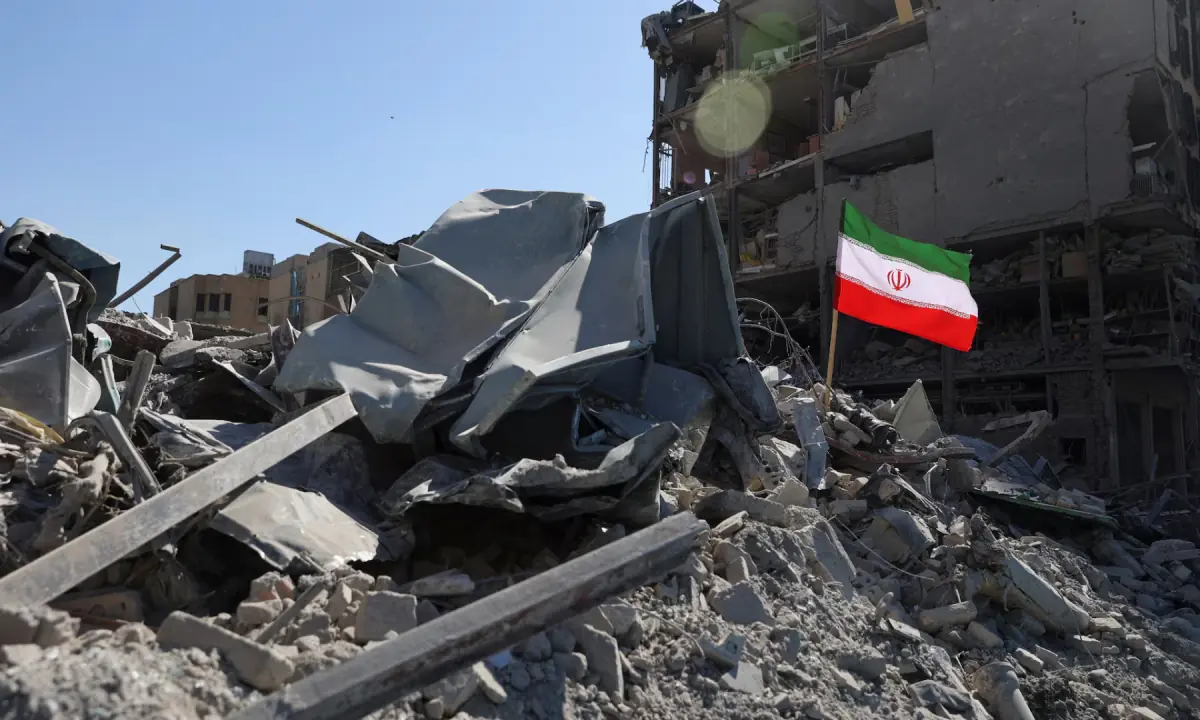
Targets hit during the first week of the campaign included the Iranian parliament, the headquarters of the state broadcaster, the Assembly of Experts, 13 health facilities, more than 120 historical sites and residential neighbourhoods in Tehran. These sites were described as civilian locations protected under international law.
Iran subsequently closed the Strait of Hormuz, widening the conflict and raising the prospect of attacks on Gulf states hosting US military bases.
Oil prices climbed above $100 a barrel after the closure, triggering what was described as the largest disruption in the history of the global oil market. Hundreds of millions of barrels were released from emergency reserves worldwide. Governments responded with emergency measures, with Pakistan calling for austerity, the Philippines announcing a four-day work week, and petrol prices in the United States rising by 50 cents a gallon and more.
The United States also suffered military setbacks. An F-15E was shot down over Iran, an F-35 sustained damage and made an emergency landing, and the USS Gerald R. Ford paused operations and headed to Crete for repairs. At least 13 American service members were reported killed, while US bases in Bahrain, Kuwait, Saudi Arabia and Qatar came under threat from Iranian drones and missiles.
Despite expectations that the killing of senior leaders might trigger internal upheaval, the Iranian government did not collapse. Instead, the public rallied behind the state.
In the United States, the war failed to generate a rally-around-the-flag effect. Donald Trump’s approval rating on Iran fell to 33 per cent, while 74pc of independents disapproved. A majority of Americans, 59pc, believed the decision to use force was wrong, and support for a ground campaign stood at just 12pc.
The administration also struggled to deflect criticism over the war’s distinctly Israeli character.
On April 7, Trump warned that “a whole civilisation will die tonight” if Iran did not reopen the Strait of Hormuz by 8pm. Ninety minutes before the deadline, however, he accepted a two-week ceasefire brokered by Pakistan.
The diplomatic terms Iran had been prepared to discuss before the war differed sharply from the position it later brought to Islamabad, after having earlier indicated willingness to accept zero stockpiling, full verification and a steep reduction in nuclear material.
Comments
No comments yet. Be the first to join the discussion!