Gharidah Farooqi says AI-generated videos are part of online harassment
Journalist Gharidah Farooqi says sexually explicit AI-generated videos using her image were circulated online, calling the material a form of sexual violence. She said the episode reflects wider digital abuse faced by women in public life.

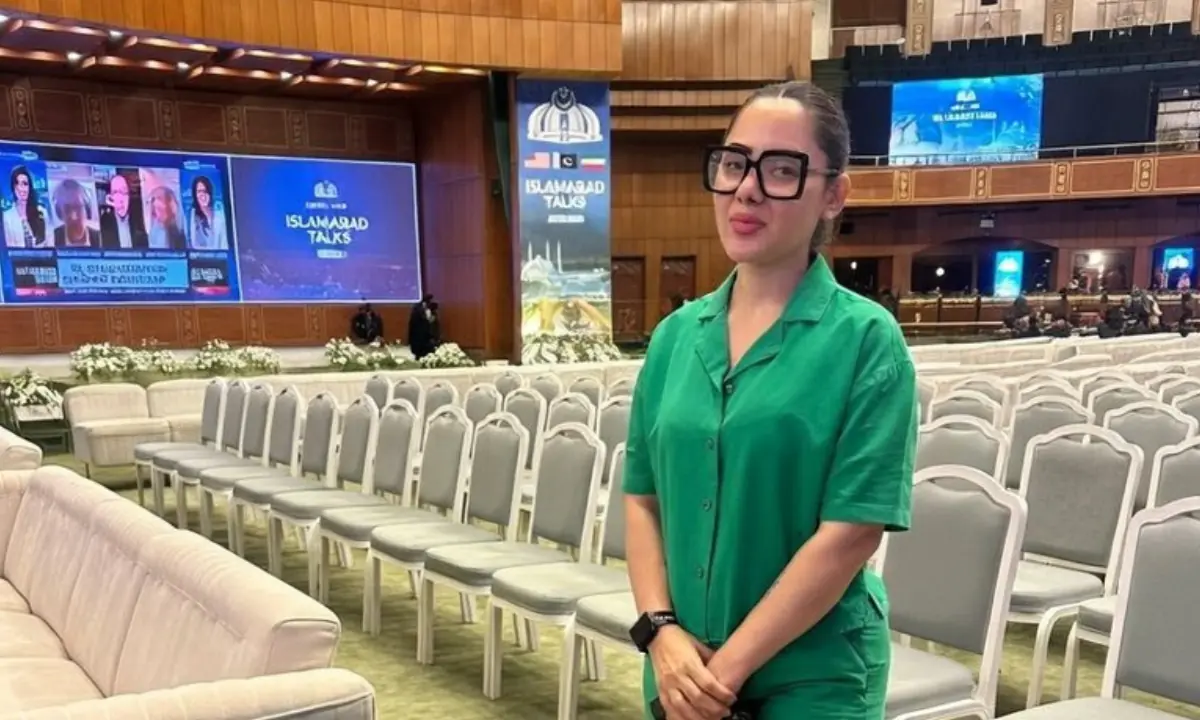
ISLAMABAD: Journalist and anchor Gharidah Farooqi has said that sexually explicit AI-generated videos using her image were circulated online while public attention remained focused on the Islamabad talks, describing the material as part of a broader pattern of digital abuse faced by women in Pakistan.
According to Farooqi, the videos were created by taking publicly available footage and photographs of her and using artificial intelligence tools to produce fake sexualised content. She said the clips were then shared on social media platforms and messaging groups.
Farooqi said the abuse was not an isolated episode but part of a sustained campaign of harassment that women, particularly women in public life, continue to face online. She said the use of AI had made such attacks easier to produce and spread, while also making them more invasive.
She said that although the videos were fabricated, their circulation caused distress and reflected how technology was being weaponised against women. Farooqi also drew attention to the wider implications of such content, saying it was not only a personal violation but also a warning sign about the misuse of emerging technologies.
In her remarks, she said, “this is not humour, satire, or political criticism. This is sexual violence.”
Farooqi said women journalists and public figures are often targeted through coordinated trolling, doctored visuals and character attacks, and that AI-generated sexual content had added a new layer to that abuse. She said the issue should not be treated as gossip or dismissed as a side effect of online life.
Concerns over misuse of AI
The incident has renewed concern over the use of generative AI tools to create non-consensual explicit material. Farooqi said the technology was being used to strip women of dignity and safety in digital spaces, and urged people to recognise the seriousness of the harm caused by such content.
She also stressed that the problem extended beyond one individual and reflected a larger environment in which women are routinely punished for visibility and public participation. In that context, she said the circulation of fake explicit videos should be understood as gendered abuse rather than mere online misconduct.
Farooqi said the spread of such material showed how quickly false and harmful content could travel online, especially when it involved women in media. She said the experience highlighted the urgent need to confront the abuse enabled by AI tools.
The Dawn report said the videos surfaced as many people were focused on the Islamabad talks, drawing attention away from the online targeting. The report framed the episode as an example of how women can become victims of new forms of harassment even during moments dominated by major political developments.
Farooqi’s comments have added to ongoing discussion around digital safety, consent and the lack of protection against manipulated sexual content created through artificial intelligence.
Comments
No comments yet. Be the first to join the discussion!