

PM, Army Chief review Pakistan's mediation effort as US-Iran talks loom
PM Shehbaz Sharif and Army Chief Asim Munir review Pakistan’s mediation efforts as Islamabad prepares for high-stakes US-Iran negotiations, urging restraint to protect a fragile ceasefire.
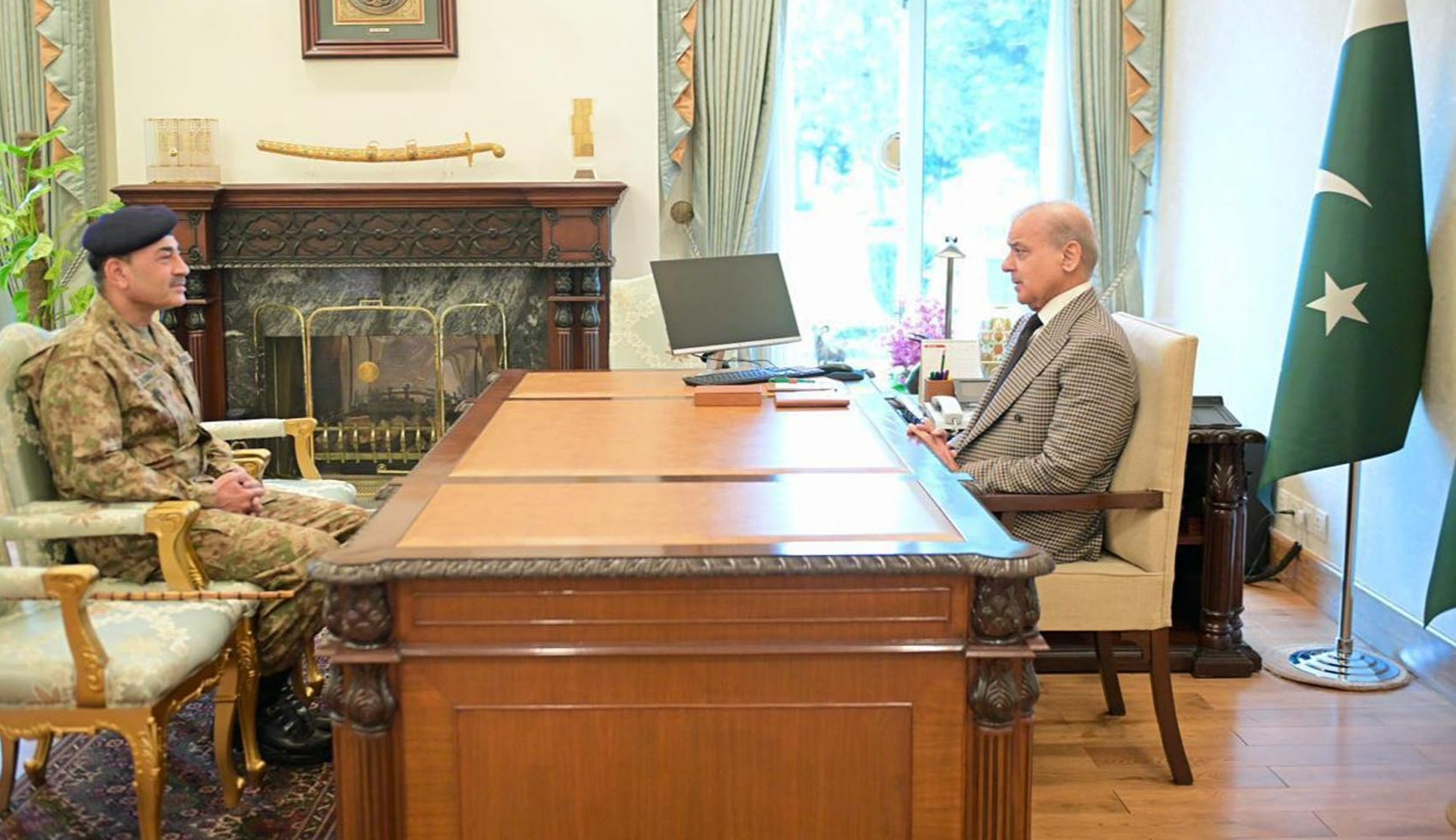
-- Civil-military leadership reviews progress on peace mediation efforts
-- Islamabad set to host high-stakes US-Iran negotiations
-- Pakistan intensifies diplomatic outreach amid fragile ceasefire
-- Global tensions persist despite temporary truce and ongoing strikes
ISLAMABAD: Prime Minister Shehbaz Sharif and Chief of Defence Forces/Chief of Army Staff Asim Munir on Thursday held a detailed meeting to review the progress of Pakistan’s diplomatic efforts aimed at securing sustainable peace in the region, as Islamabad prepares to host critical talks between the United States and Iran.
According to an official statement issued by the Prime Minister’s Office, Field Marshal Munir called on the premier and discussed evolving regional dynamics, particularly the ongoing efforts to mediate between Tehran and Washington. Both leaders expressed satisfaction over the relative de-escalation achieved in recent days and underscored the importance of preserving the fragile ceasefire.
The leadership stressed that restraint by all sides was essential to prevent a relapse into conflict, reiterating Pakistan’s readiness to extend “all-out support” in facilitating dialogue and encouraging a peaceful, negotiated settlement. Prime Minister Shehbaz also appreciated the commitment shown by the parties involved and extended a formal welcome to incoming delegations expected to arrive in Islamabad over the weekend.
The meeting assumes added significance as Pakistan emerges as a central diplomatic bridge in one of the most volatile geopolitical crises in recent years. The current conflict was sparked on February 28 following US and Israeli strikes on Iran, triggering widespread instability and a global energy shock due to disruptions in the Strait of Hormuz — a vital artery for oil and liquefied natural gas supplies.
From the outset, Islamabad moved swiftly to engage key stakeholders. Prime Minister Shehbaz, along with Deputy Prime Minister and Foreign Minister Ishaq Dar, initiated a series of high-level contacts with Iranian, Gulf and Western leaders, consistently advocating dialogue, restraint and de-escalation.
On March 24, the prime minister publicly offered Pakistan as a neutral venue for “meaningful and conclusive talks” between Washington and Tehran. The following day, a 15-point US peace proposal was conveyed to Iran through Pakistani channels, highlighting Islamabad’s growing role as an intermediary. Tehran responded with its own set of conditions, signalling openness to dialogue but firmly rejecting temporary ceasefire arrangements in favour of a permanent resolution.
Despite initial reports of deadlock, diplomatic momentum continued. On March 26, Ishaq Dar confirmed that indirect communication between the US and Iran was underway, with Pakistan acting as a conduit for messages. This was followed by a flurry of diplomatic engagements in Islamabad, including the arrival of foreign ministers from Saudi Arabia, Turkiye and Egypt for a quadrilateral meeting focused on de-escalation in the Middle East.
Subsequently, Pakistan deepened coordination with China, culminating in a joint five-point initiative aimed at restoring peace and stability in the Gulf and the broader Middle East region. The initiative emphasised dialogue, respect for sovereignty and the need to safeguard critical trade routes.
Tensions, however, escalated sharply in early April when US President Donald Trump issued a strict deadline for Iran to agree to a ceasefire and ensure the reopening of the Strait of Hormuz. The ultimatum, accompanied by threats of military escalation, heightened global concerns over a potential widening of the conflict.
In response, Prime Minister Shehbaz undertook urgent diplomatic outreach, appealing to Washington to extend the deadline and to Tehran to allow limited reopening of the strait. His intervention contributed to a temporary breakthrough, with the US agreeing to a two-week suspension of hostilities conditional on Iran’s cooperation.
Iran, for its part, reiterated that any ceasefire must be comprehensive and permanent. While signalling a willingness to halt defensive operations if attacks ceased, Tehran warned against partial arrangements, particularly in light of continued Israeli strikes in Lebanon. Iranian officials have cautioned that any violations could trigger a “decisive response,” underscoring the fragility of the current truce.
The evolving situation places Pakistan at the centre of high-stakes diplomacy, with expectations mounting ahead of the anticipated US-Iran talks in Islamabad. Officials believe that sustained engagement and confidence-building measures will be crucial in transforming the temporary pause in hostilities into a durable peace framework.
Meanwhile, Prime Minister Shehbaz has maintained active communication with regional leaders, including Lebanon’s prime minister and Bahrain’s leadership, urging all parties to exercise restraint and allow diplomatic efforts to progress. As the window for negotiations narrows, Islamabad’s role as a facilitator is likely to remain pivotal in shaping the trajectory of the conflict and its potential resolution.
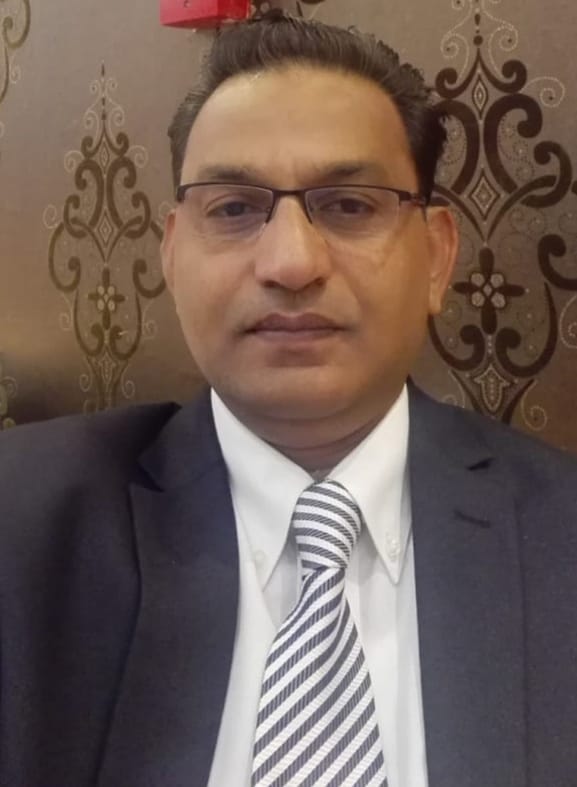
The writer is Head of News at Pakistan Today. He has a special focus on current affairs, regional and global connectivity, and counterterrorism. He tweets as @mian_abrar and also can be reached at [email protected]
View all articles →Comments
No comments yet. Be the first to join the discussion!


