Lebanon seeks Pakistan's support as Israeli strikes escalate
Lebanese PM Nawaf Salam called Pakistan’s PM Shehbaz Sharif seeking an immediate halt to Israeli attacks. Pakistan condemned the aggression, urged international action, and stressed diplomatic efforts to de-escalate amid rising regional tensions.

ISLAMABAD: Lebanese Prime Minister Nawaf Salam on Thursday reached out to Prime Minister Shehbaz Sharif, seeking Islamabad’s support to bring an immediate halt to ongoing Israeli attacks on Lebanon, according to an official statement.
During the telephone conversation, Prime Minister Shehbaz strongly condemned Israel’s continued military aggression, expressing deep sorrow over the loss of hundreds of civilian lives and widespread destruction of infrastructure. He reiterated that Pakistan remained actively engaged in diplomatic efforts to promote regional peace, including facilitating dialogue between Iran and the United States.
The Prime Minister’s Office said Nawaf Salam appreciated Pakistan’s ongoing peace initiatives and emphasised the urgent need for international intervention to stop attacks targeting Lebanese civilians. Both leaders agreed to remain in close contact as the situation evolves.
In a post on X, Prime Minister Shehbaz reaffirmed Pakistan’s commitment to supporting Lebanon, noting the importance of sustained diplomatic engagement to secure an immediate cessation of hostilities.
Earlier, Pakistan’s Foreign Office issued a strong condemnation of Israel’s actions, warning that continued strikes undermine global efforts aimed at stabilising the region. The statement described the attacks as a violation of international law and humanitarian principles, urging the international community to take urgent steps to end the aggression.
Reaffirming its stance, Pakistan expressed unwavering solidarity with the Lebanese government and people, while underscoring its support for Lebanon’s sovereignty, territorial integrity and right to peace.
The escalation comes amid heightened regional tensions following the ongoing US-Iran conflict. Lebanon observed a national day of mourning after Israeli airstrikes killed over 200 people and injured more than 1,000, according to Lebanese authorities. Government offices were closed and flags flown at half-mast in tribute to the victims.
The violence also raised serious concerns over the stability of the fragile US-Iran ceasefire, brokered with Pakistan’s facilitation. While Israel has maintained that its operations in Lebanon fall outside the scope of the truce, Lebanese officials and allied groups have rejected this interpretation.
In response to the strikes, the Lebanese group Hezbollah claimed it launched rockets towards Israel, describing the move as retaliation for violations of the ceasefire framework.
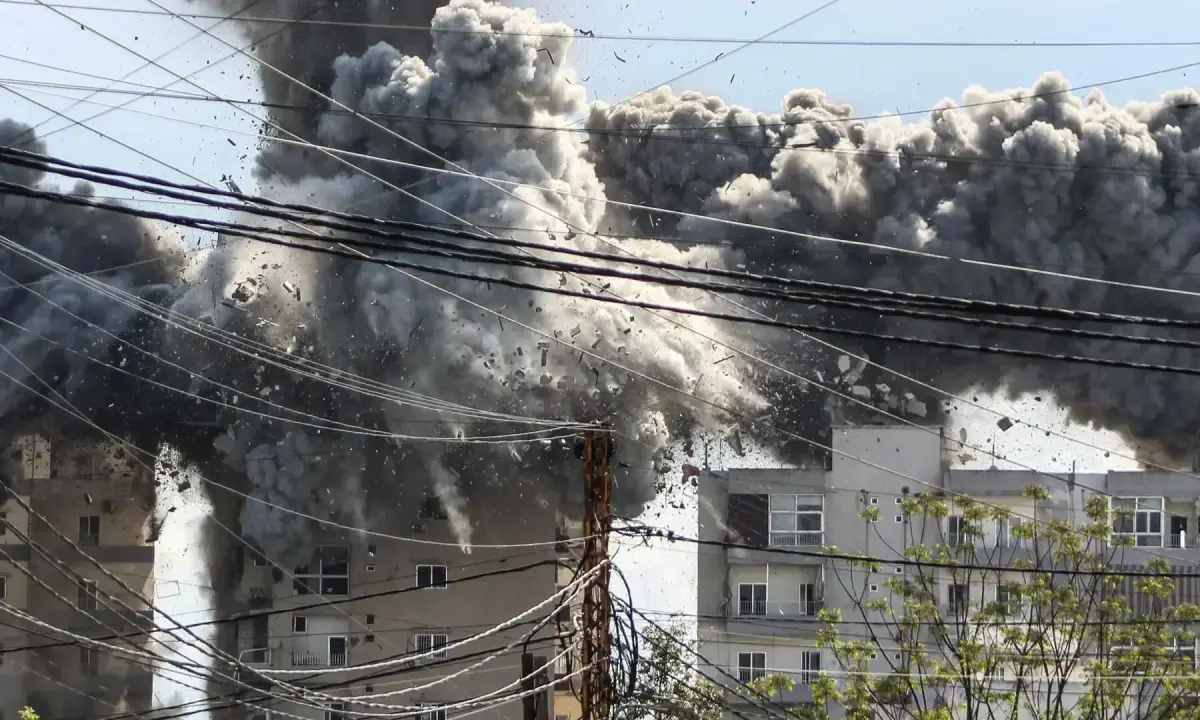
Israeli forces reportedly carried out one of their most extensive air campaigns since the start of the broader regional conflict, targeting more than 100 مواقع across Beirut, the Bekaa Valley and southern Lebanon. Massive explosions were reported in the capital, sending plumes of smoke across the skyline.
Lebanon’s health authorities confirmed a mounting death toll, highlighting the severe humanitarian toll of the escalating hostilities. As tensions continue to rise, calls for an immediate ceasefire and renewed diplomatic engagement are intensifying, with Pakistan positioning itself as a key advocate for de-escalation.
Comments
No comments yet. Be the first to join the discussion!