PM Shehbaz rallies gulf allies as Israel-US strikes on Iran ignite regional crisis
In response to escalating tensions following Israel-US strikes on Iran, PM Shehbaz Sharif reaches out to Gulf leaders, urging de-escalation and solidarity.

-- PM Shehbaz assures Saudi Arabia, UAE, and Qatar of unwavering solidarity
-- Pakistan condemns Israel-US strikes on Iran, urges urgent de-escalation
-- Iran retaliates with missile barrage across Gulf, Israel
-- Civilian casualties mount as regional powers scramble to contain crisis
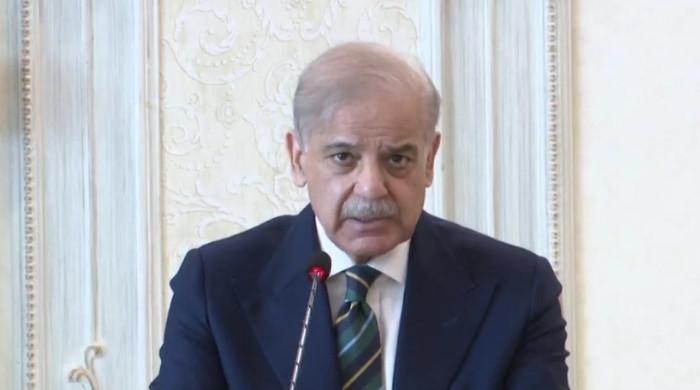
ISLAMABAD: Prime Minister Shehbaz Sharif on Saturday reached out to key Gulf leaders as the Middle East plunged into renewed turmoil following coordinated strikes by Israel and the United States on Iran, triggering retaliatory missile attacks across the region.
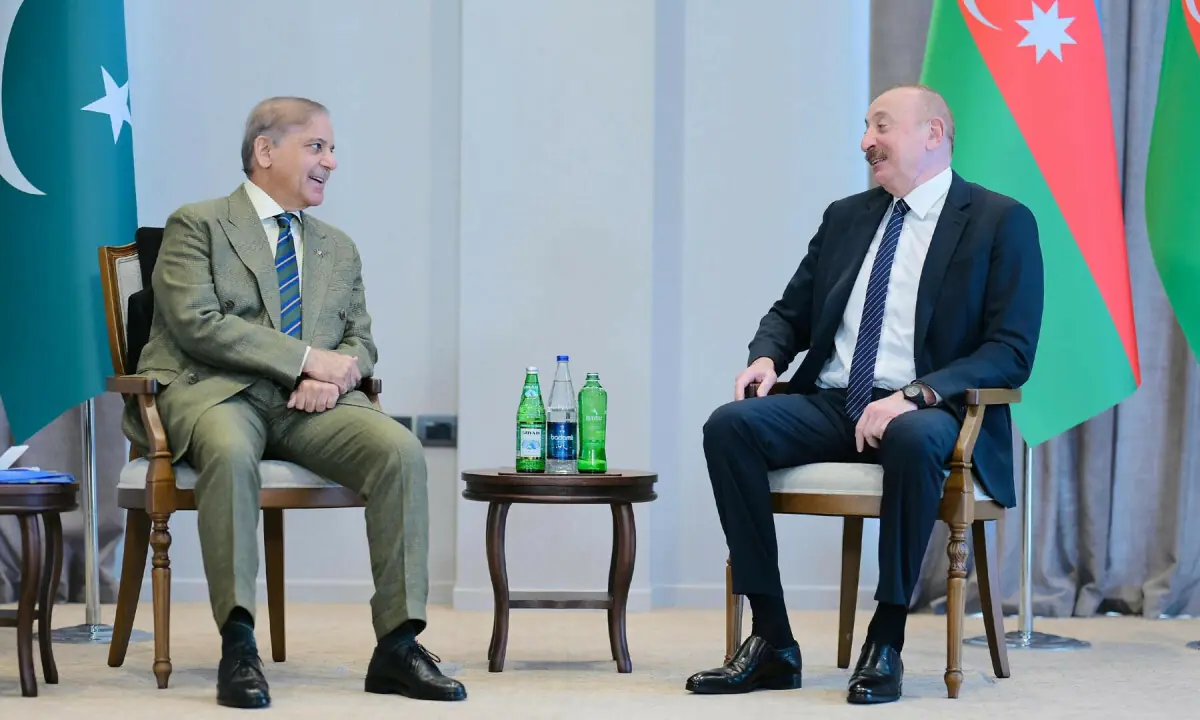
In a telephonic conversation with Saudi Crown Prince Mohammed bin Salman, Prime Minister Shehbaz Sharif strongly condemned the sharp escalation sparked by Israeli attacks on Iran and subsequent strikes on Gulf states, according to a statement issued by the Prime Minister’s Office.
Assuring Riyadh of Pakistan’s unwavering solidarity, the premier said Islamabad would stand by its “Saudi brothers and sisters at all times and under all circumstances.” He also offered Pakistan’s readiness to play a constructive role in easing tensions and expressed hope that the blessings of Ramadan would help restore peace to the region.
Separately, PM Shehbaz spoke with UAE President Sheikh Mohamed bin Zayed Al Nahyan, conveying Pakistan’s strong condemnation of what he described as a dangerous regional escalation.
In a post on X, the prime minister expressed deep sorrow over the death of a Pakistani national in Abu Dhabi, reaffirming full solidarity with the UAE during what he termed “difficult times.”
The Prime Minister also held a telephone conversation with Sheikh Tamim bin Hamad Al Thani, Amir of the State of Qatar, later in the evening.
During the telephone call, the Prime Minister strongly condemned the serious regional escalation from the Israeli attack on Iran earlier in the day that was followed by the regrettable attacks against Qatar as well as in other Gulf countries.
While referring to their recent meeting in Doha, the Prime Minister reaffirmed Pakistan’s full solidarity and support with the brotherly State of Qatar amid the current crisis and assured the Amir that Pakistan would always stand shoulder to shoulder with the brotherly people of Qatar and play a positive role for ensuring peace and stability in the region.
Earlier in the day, Deputy Prime Minister and Foreign Minister Ishaq Dar held a phone call with his Iranian counterpart Abbas Araghchi, condemning the “unwarranted attacks” on Iran and urging an immediate halt to hostilities.
The Foreign Office said both leaders reviewed the rapidly evolving situation and emphasized the urgent need to resume diplomatic engagement to prevent further escalation.
The crisis erupted after Israel and the United States launched strikes on Iranian targets, with US President Donald Trump vowing to dismantle Tehran’s missile capabilities and block its path to a nuclear weapon. Iran responded with a barrage of missiles aimed at Gulf states and Israel, dramatically widening the conflict.
Iran’s Islamic Revolutionary Guard Corps (IRGC) claimed responsibility for targeting the US Fifth Fleet headquarters in Bahrain, other American assets across the Gulf, and sites inside Israel. Explosions and air defence interceptions were reported in Saudi Arabia, Bahrain, Qatar, the UAE, Israel and Iraq.
Several Gulf states, including Kuwait, Qatar, the UAE and Jordan, confirmed intercepting incoming missiles. UAE state media reported one fatality in Abu Dhabi.
In Iran, a strike on a school reportedly killed 24 people, while Israeli authorities deployed search and rescue teams after projectiles fell in multiple locations. Smoke was seen rising over Tehran’s Pasteur district, near the residence of Supreme Leader Ali Khamenei.
Israeli media suggested that Khamenei and President Masoud Pezeshkian were among potential targets, though Iranian state television said Pezeshkian was “safe and sound.”
With hostilities intensifying and regional capitals on high alert, Pakistan has stepped up diplomatic engagement, urging restraint, dialogue and a negotiated resolution to prevent a broader war in the Middle East.
The writer is Head of News at Pakistan Today. He has a special focus on current affairs, regional and global connectivity, and counterterrorism. He tweets as @mian_abrar and also can be reached at [email protected]
View all articles →Comments
No comments yet. Be the first to join the discussion!