Petrol price surge sparks heated NA debate
The National Assembly debated the latest increase in petroleum prices after opposition members demanded discussion on the issue. The government said the move was driven by global oil market pressures and defended it with details of subsidies and supply measures.

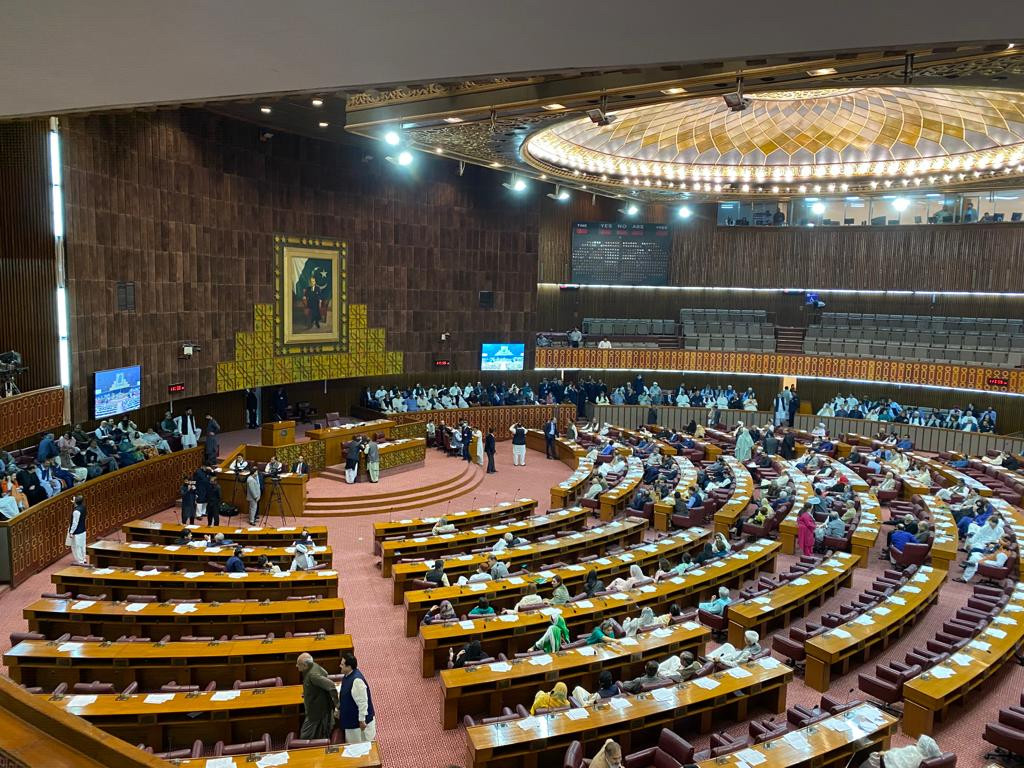
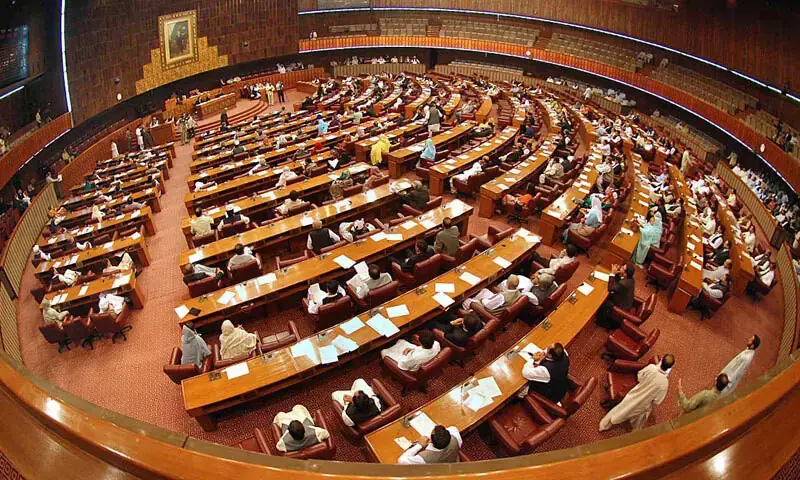
ISLAMABAD: A heated debate erupted in the National Assembly on Monday as opposition lawmakers strongly criticised the recent surge in petroleum prices, prompting the government to defend the move as a necessary response to global market pressures.
The session saw immediate disruption when opposition members, led by PTI’s Shahid Khattak, called for the suspension of the Question Hour to discuss the price hike — a demand that was accepted by the House.
Petroleum Minister Ali Pervaiz Malik told lawmakers that international oil prices had surged בעקבות the ongoing Middle East conflict, particularly after tensions involving the United States, Israel and Iran. He said the government had absorbed the financial impact for nearly three weeks, bearing an estimated burden of Rs50–60 billion per week before passing on the increase.
He added that Pakistan meets up to 90 per cent of its fuel needs through imports, making it highly vulnerable to global price fluctuations and supply disruptions. Despite the challenges, he said the government had ensured uninterrupted availability of petroleum products by diversifying import routes, including shipments through Yanbu in Saudi Arabia and Fujairah in the UAE via Oman. Rising insurance and freight costs due to regional instability have further added to the pressure, he noted.
The minister maintained that while prices had increased, there was no shortage of fuel in the البلاد. He also highlighted targeted subsidies being provided through digital wallets to transporters, farmers and other vulnerable groups.
On fertiliser supply, Malik said gas was being consistently provided to all production units, with directives in place to keep prices stable.
Finance Minister Muhammad Aurangzeb told the House that contingency planning had begun immediately after the escalation in the region, with measures implemented over the past several weeks to manage the fallout.
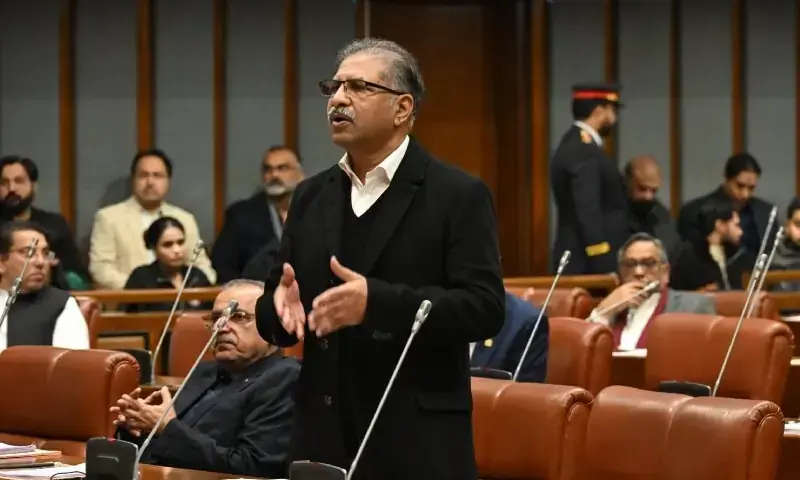
Opposition members, however, questioned the scale of the increase. PTI Chairman Gohar Ali Khan argued that Pakistan’s fuel prices had risen more sharply than in neighbouring countries, citing India’s move to reduce profit margins of petroleum companies. He accused the government of shifting the burden onto the public.
Lawmakers from multiple parties, including Noor Alam Khan and Aminul Haque, demanded a detailed debate on the issue, while MQM’s Farooq Sattar called for broader economic reforms, including reducing petroleum levies and expanding the tax base.
PPP leader Naveed Qamar stressed the need for greater transparency, saying parliament must be taken into confidence on decisions affecting the entire country. Meanwhile, Mehtab Akbar Rashdi warned that rising fuel costs were placing an increasing burden on ordinary citizens.
Speaker Ayaz Sadiq assured members that a full discussion would be held, as the government faces mounting pressure to justify the price hike amid public concern.
Comments
No comments yet. Be the first to join the discussion!