Yen sinks to 39-year low of 162 against dollar amid US rate concerns
The Japanese yen weakened to nearly a 39-year low against the dollar on Monday as the US-Japan rate gap continued to weigh on the currency. Markets are also watching for possible intervention by Japanese authorities.

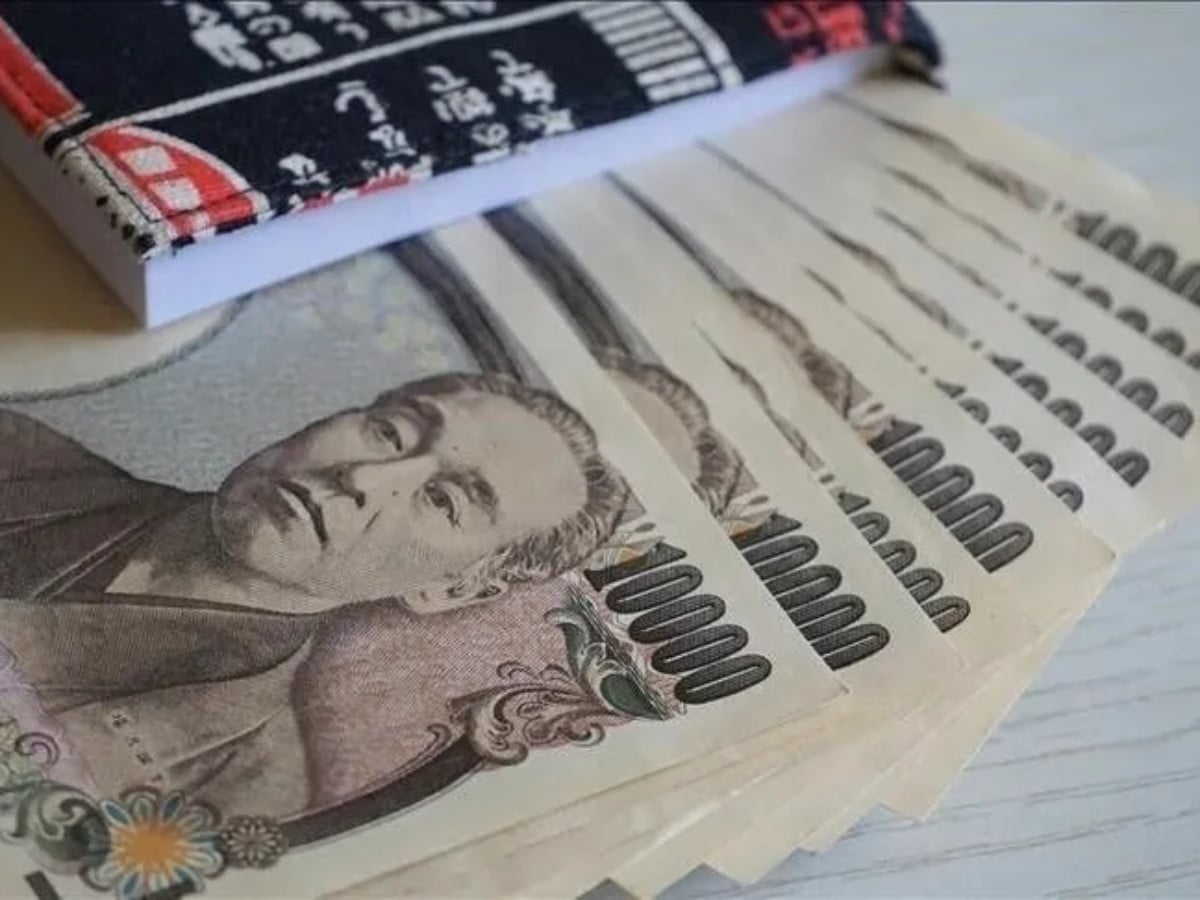
TOKYO: The Japanese yen slid to its weakest level in almost 39 years against the US dollar on Monday, as markets continued to price in the prospect that American interest rates could stay high while traders also remained alert to the possibility of action by Japanese authorities.
The dollar briefly touched 162.29 yen at 0600GMT, leaving the Japanese currency at its lowest point since December 1986. The move came after the yen had earlier neared 161.96 per dollar in July 2024, a level closely watched by investors because of Japan’s history of intervening in currency markets.
Rate differential remains central pressure point
The latest drop in the yen was linked to the continuing gap between borrowing costs in the United States and Japan. Earlier this month, the Bank of Japan lifted its policy rate to 1.00% from 0.75%, marking its highest level in 31 years. Even so, the difference with US rates remains substantial.
The Federal Reserve has indicated that it could still raise rates once more before the end of the year, despite calls from US President Donald Trump for lower borrowing costs. That outlook has helped keep the dollar supported against the yen.
A weaker Japanese currency raises the price of imports, especially energy and food, increasing strain on households and businesses in a country that depends heavily on imported resources.
Intervention concerns remain in focus
Japan has stepped into currency markets several times in an effort to slow the yen’s decline, most recently between late April and May. However, the currency has stayed under pressure as investors continue to focus on yield differences and concerns surrounding Japan’s fiscal position.
Attention has also turned to Prime Minister Sanae Takaichi’s support for additional fiscal spending and a temporary suspension of the consumption tax on food and beverages, measures that have sharpened scrutiny of Japan’s already heavy debt burden.
Japanese officials have signalled that they may respond again if abrupt currency swings persist. Finance Minister Satsuki Katayama said last week that Japan and the United States had agreed to take decisive action if necessary after discussions with US Treasury Secretary Scott Bessent.
Comments
No comments yet. Be the first to join the discussion!