Army top brass condemns attacks on Saudi energy sites, calls for restraint amid regional tensions
Pakistan’s top military leadership condemned attacks on Saudi energy infrastructure as “unnecessary escalation,” backed diplomacy and urged restraint, while vowing intensified action against terror proxies and external sponsors.

-- Corps Commanders term strikes 'unnecessary escalation,' undermining peace efforts
-- Military backs government diplomacy, urges dialogue in Middle East conflict
-- Armed forces vow relentless action against terror proxies and external sponsors
-- Concerns raised over Indian Illegally Occupied Jammu and Kashmir human rights violations
RAWALPINDI: The Pakistan Army’s top leadership on Tuesday strongly condemned recent attacks on Saudi Arabia’s energy infrastructure, describing them as an “unnecessary escalation” amid the ongoing US-Israeli war on Iran, according to the military’s media wing.
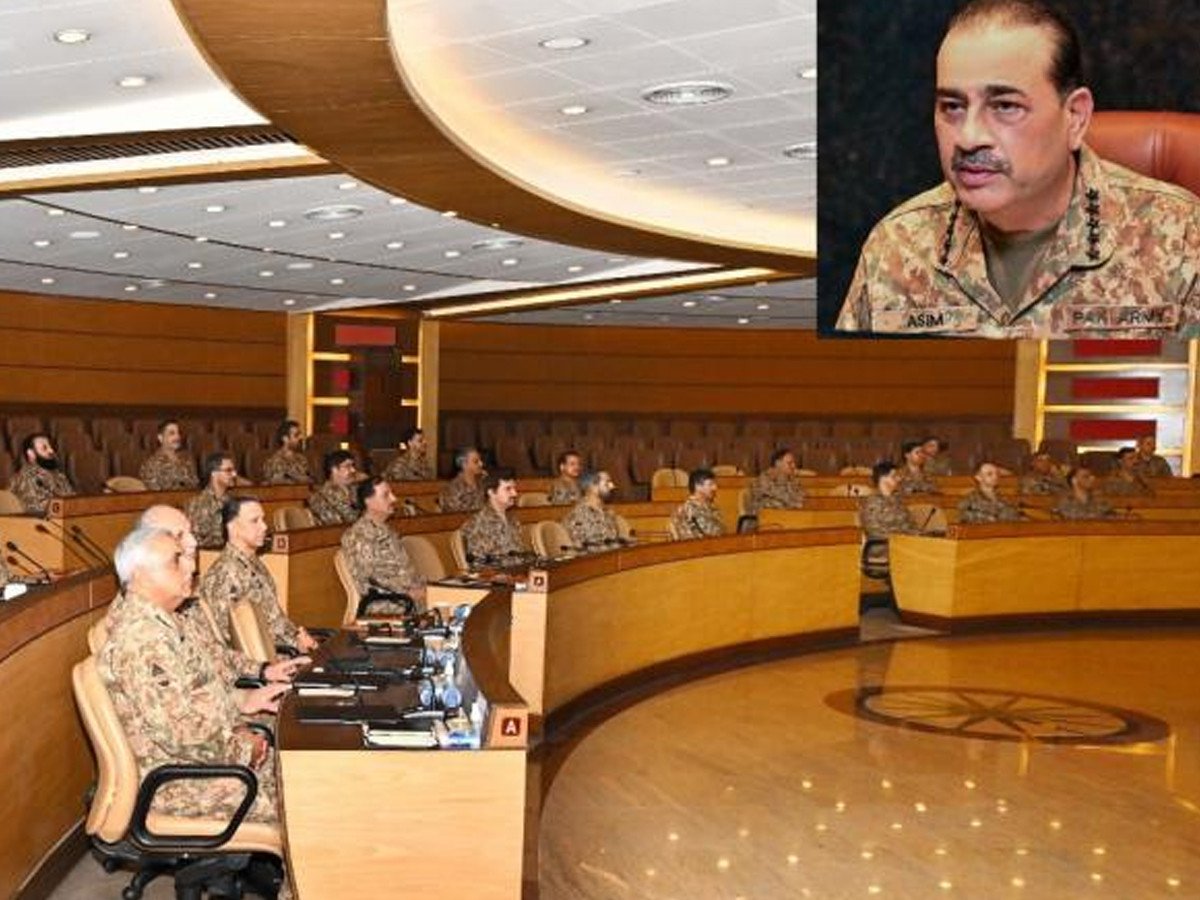
The remarks came during the 274th Corps Commanders’ Conference, chaired by Chief of Defence Forces and Chief of Army Staff Asim Munir at General Headquarters in Rawalpindi, as stated by the Inter-Services Public Relations (ISPR).
The forum lauded the government’s diplomatic efforts to de-escalate tensions in the Middle East, stressing the importance of restraint, dialogue, and peaceful resolution. It reaffirmed Pakistan’s commitment to constructive engagement and its role as a responsible regional stakeholder working towards stability.
Military leadership expressed serious concern over the attacks targeting Saudi petrochemical facilities, warning that such actions risk derailing ongoing diplomatic initiatives. The forum noted that Riyadh’s measured response despite “grave provocations” had created space for mediation, cautioning that continued aggression could jeopardize these efforts.
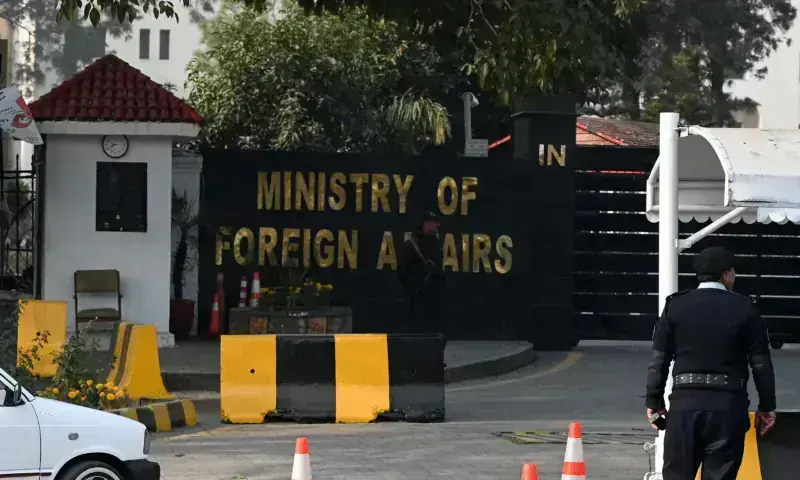
Earlier, Pakistan’s Foreign Office also condemned the strikes, terming them a dangerous escalation that threatens regional peace. The development comes in the backdrop of a Strategic Mutual Defence Agreement signed between Pakistan and Saudi Arabia last year, under which any attack on either country is considered an act of aggression against both.
The conference also conducted a comprehensive review of the internal and external security environment. It reiterated a firm resolve to eliminate terrorist proxies allegedly backed by India and other external actors, along with their facilitators.
The military leadership emphasized that ongoing operations against militants would continue with full intensity, including efforts to dismantle safe havens and prevent the use of Afghanistan’s soil for attacks against Pakistan.
The forum further rejected what it described as persistent disinformation and “false flag” narratives attributed to India, asserting that such claims have been widely discredited internationally. It also raised concern over alleged human rights violations in Indian Illegally Occupied Jammu and Kashmir, including reports of extrajudicial killings.
In his concluding remarks, General Munir praised the armed forces for their professionalism and operational readiness, expressing confidence in their ability to counter emerging threats and safeguard Pakistan’s sovereignty.
The meeting began with prayers for martyrs from the armed forces, law enforcement agencies, and civilians, with participants reaffirming that their sacrifices remain central to Pakistan’s national security.

The writer is Head of News at Pakistan Today. He has a special focus on current affairs, regional and global connectivity, and counterterrorism. He tweets as @mian_abrar and also can be reached at [email protected]
View all articles →Comments
No comments yet. Be the first to join the discussion!