Taxila’s Raees Khana restored and repurposed as commercial and cultural hub
A century-old building in Attock, Raees Khana, has been restored at a cost of Rs38 million and converted into a commercial and cultural complex. Officials say the project preserves its Victorian architecture while adding shops, a tea house, a food street and facilities for women entrepreneurs.

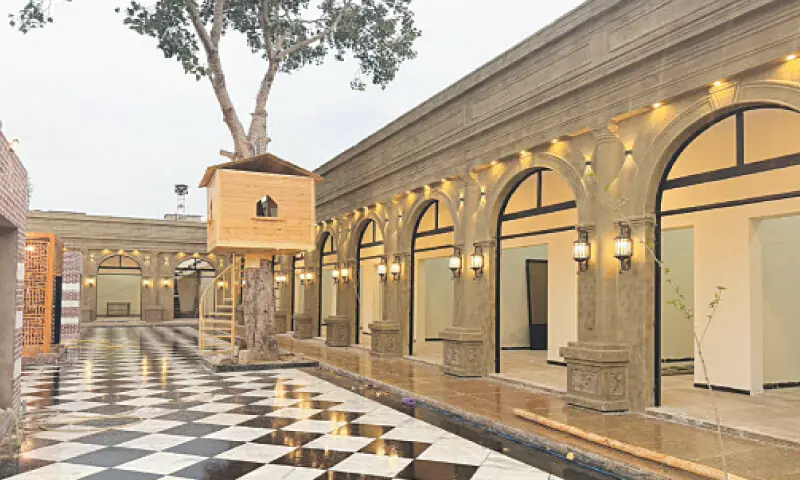
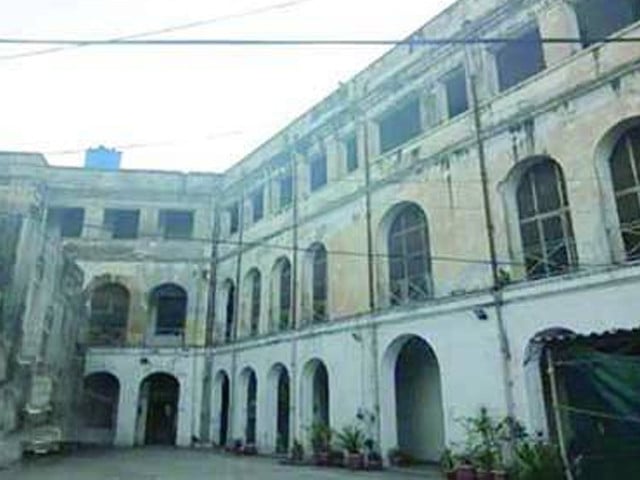
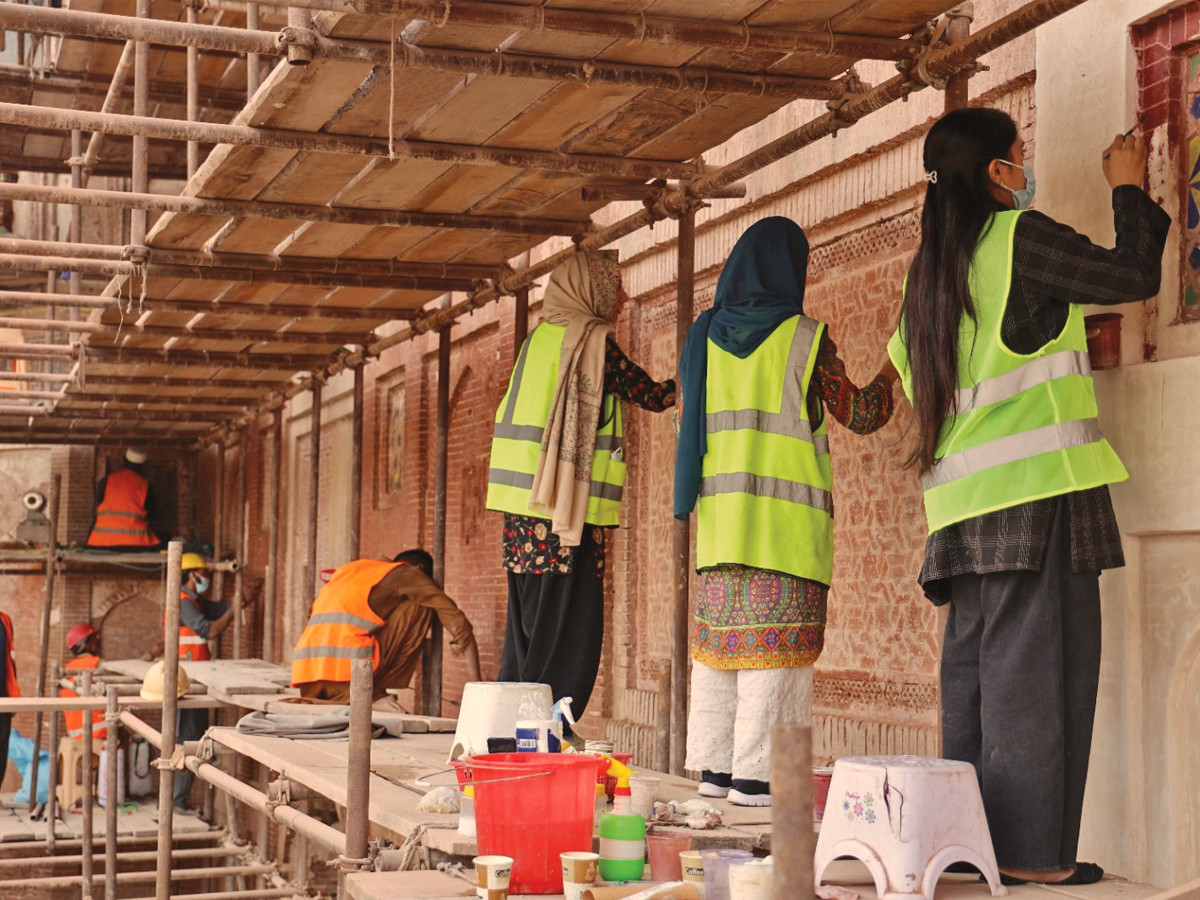
TAXILA: A century-old building known as Raees Khana has been restored by the district administration and converted into a commercial and cultural centre in Attock, reviving a structure that had fallen into disrepair over the decades.
The building was constructed in 1908 by the feudal elite of Fatehjang in tribute to Queen Victoria. It had long been seen as a prominent symbol of the area’s colonial-era architectural and social history. After the Partition of India, however, the structure declined and eventually became a disputed and neglected site. In later decades, it also became associated with illegal activity.
Officials said the restoration project was completed at an estimated cost of Rs38 million. Spread over around 3.2 canals in central Attock, the redeveloped complex now includes about 27 commercial outlets, a filtration plant and a gazebo for visitors.
Authorities also said the commercial response to the project had been strong, with the shops drawing bids at auction that were nearly three times higher than the reserve price.
Officials highlight heritage and inclusion
Assistant Commissioner Attock Muhammad Arif Qureshi said the project was also designed with an inclusive approach. He said spaces had been reserved for women entrepreneurs, while separate washrooms and a secure environment had also been provided.
Deputy Director Development Zameer Janjua said the restoration placed particular emphasis on preserving the original architectural character of the site. He said the same Victorian style was followed in reconstructing the building from its ruined state, adding that it had effectively become a den for drug addicts over the past several decades.
Deputy Commissioner Rao Atif Raza said the project combined the site’s historic character with present-day facilities. He said the administration had drawn inspiration from Pak Tea House in establishing the Campbellpure Tea House within the complex.
Developed in collaboration with the Pakistan Academy of Letters, the tea house has been set up as a space dedicated to literature and history. It features paintings, artefacts and books related to Attock’s past.
Food street and rooftop dining added
The restored site also includes what has been described as the city’s first Food Street, along with a rooftop dining area aimed at attracting residents and visitors.
The project has received praise from members of the local community. Hina Mansab Khan, founder president of the Attock Women Chamber of Commerce and Industry, called the transformation “nothing short of miraculous,” saying a once-abandoned and stigmatised place had been turned into a source of civic pride, cultural identity and economic activity.
Ahmed Ali Saqib, president of the Campbellpur Literary Society, said the administration had not only restored a building but had also revived a wider historical narrative linking Attock’s past with its future. He said the establishment of Campbellpur Tea House at the site would support literary and cultural activity in the city.
Urban historian Raja Noor Muhammad Niazmi said the initiative showed how adaptive reuse could convert a neglected historic structure into a centre for commerce, culture and community life.
Comments
No comments yet. Be the first to join the discussion!