PPP demands immediate GB poll schedule as election delay sparks political uncertainty
Pakistan Peoples Party calls for the immediate announcement of Gilgit-Baltistan Assembly election dates after postponements due to winter conditions. With no final poll date set, political parties warn delays could harm democracy and governance.

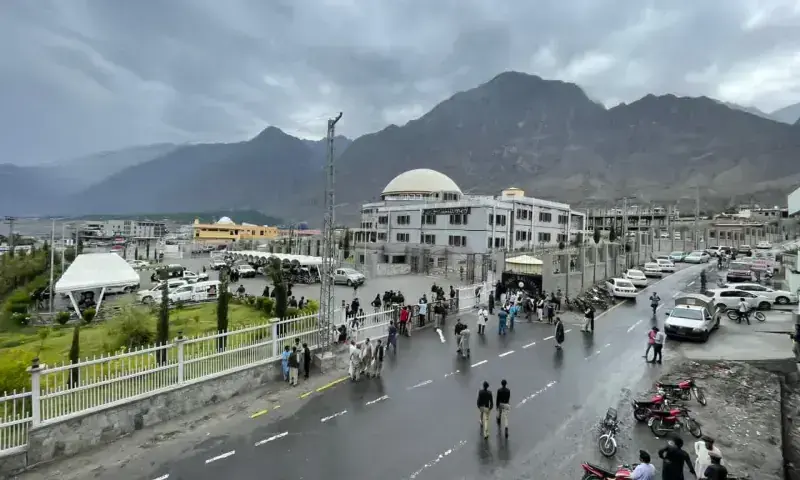
GILGIT: The Pakistan Peoples Party has called for the immediate announcement of the Gilgit-Baltistan Assembly election schedule, as uncertainty deepens four months after the legislature completed its tenure.
General elections for the Gilgit-Baltistan Assembly were originally set for January 24, 2026, with long-delayed local government polls scheduled for February 14. However, both were postponed indefinitely due to severe winter conditions that left large parts of the region inaccessible.
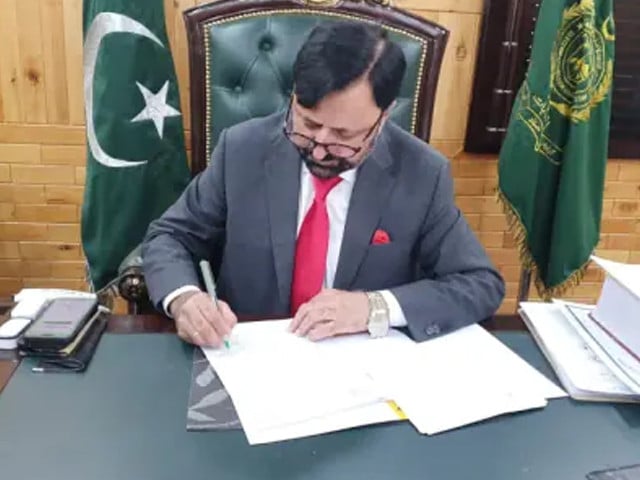
Speaking on Saturday, Gilgit-Baltistan Chief Election Commissioner Raja Shehbaz Khan confirmed that preparations for the polls were underway but said no final date had yet been decided. He assured that the public would be informed once a schedule is finalised.
Despite earlier plans by the caretaker government to hold a multiparty conference on March 24 to build consensus on a new timeline, no progress has been made, fuelling frustration among political stakeholders.
In a statement, the PPP’s Gilgit-Baltistan chapter urged the election commission to fulfil constitutional requirements by announcing the schedule without further delay, arguing that improved weather and a stable security situation now allow for elections to be conducted.
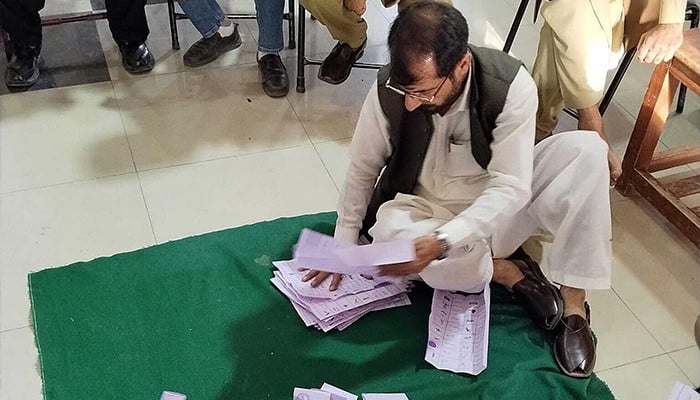
“All political parties demand that transparent and impartial elections be held on time,” the party said, warning that continued delays risk undermining the democratic process.
Caretaker Information Minister Ghulam Abbas maintained that announcing the election schedule falls within the election commission’s mandate but assured that the interim government would fully support efforts to ensure free and fair polls.
Political uncertainty persists as parties remain divided over the timing of elections. Earlier, at least 14 political groups opposed holding polls during the harsh winter months, when heavy snowfall isolates many areas.
Now, concerns are growing that if elections are not held before June, they could be pushed further to September or October due to religious observances, including Muharram, expected to begin around mid-June, and Chehlum.
Sources suggest that the Pakistan Muslim League (N) is reluctant to proceed with elections under current conditions, citing unfavourable public sentiment amid rising fuel prices and economic challenges.
The absence of an elected assembly has already begun to impact governance, with several development projects and key policy decisions reportedly stalled due to lack of legislative approval.
Additional complications have emerged following recent unrest in Gilgit and Skardu, where violent protests erupted after reports of the assassination of Ali Khamenei in US-Israeli strikes.
At least 20 people, including security personnel, were killed in the clashes, prompting the imposition of curfews in both cities. Although the situation has since stabilised, authorities remain cautious.
A judicial commission has been formed to investigate the unrest, and officials fear that any action against those involved could trigger fresh protests. As a result, sources indicate that the announcement of the election schedule may be delayed until the inquiry is completed.
The last Gilgit-Baltistan Assembly elections were held on November 15, 2020, leading to the formation of a government by the Pakistan Tehreek-e-Insaf under Chief Minister Khalid Khurshid.
Following his disqualification by the GB Chief Court in July 2023, a coalition government comprising PTI dissidents, the PPP, and the PML-N brought Haji Gulbar Khan to power.
The assembly completed its constitutional five-year term on November 24, 2025. Subsequently, Prime Minister Shehbaz Sharif appointed retired Justice Yar Muhammad as caretaker chief minister under the Government of Gilgit-Baltistan Order, 2018.
Under the 2018 framework, elections are required to be held within 60 days of the assembly’s dissolution. President Asif Ali Zardari had accordingly announced January 24 as polling day, before the schedule was postponed due to weather conditions.
While the election commission had earlier indicated that a revised schedule might be announced by late May or early June, the lack of clarity has intensified political anxiety, leaving the region in a prolonged state of electoral limbo.
Comments
No comments yet. Be the first to join the discussion!