Rawalpindi assigns lawmakers to monitor dengue control in high-risk union councils
Rawalpindi has introduced a new dengue control plan under which parliamentarians will monitor anti-dengue work in 32 high-risk union councils. Officials say one confirmed case and 19 suspected cases were reported in February 2026.

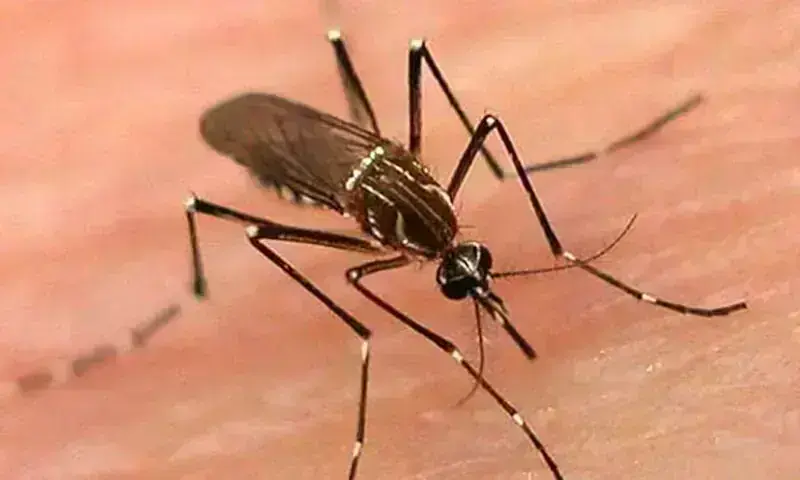
RAWALPINDI: The district administration has prepared a fresh strategy to contain dengue in Rawalpindi after recent rainfall raised concerns about a possible increase in the virus’s spread.
Under the plan, parliamentarians will be given a monitoring role in union councils identified as high risk. Deputy Commissioner Dr Hassan Waqar Cheema said elected representatives would supervise indoor and outdoor surveillance in their constituencies to support efforts by the district administration and the District Health Authority to remove dengue larvae.
To monitor the anti-dengue drive in high-risk union councils, parliamentarians will oversee indoor and outdoor surveillance to eliminate dengue larvae in their respective constituencies by the district administration and health authority.
According to the deputy commissioner, lawmakers will also help engage local communities on precautionary steps and keep watch over work being carried out by civic agencies. He said the allocation of high-risk union councils in Rawalpindi district had been finalised to improve dengue prevention and control.
The parliamentarians’ active participation and coordination in these assigned UCs will play a crucial role in achieving the desired results.
Dr Cheema said the relevant MPA or MNA would need to closely review implementation of dengue prevention measures in the assigned union councils, make regular visits to designated areas, assess progress, point out gaps, and ensure timely action where needed. He added that involving parliamentarians would help provincial departments and district administrations address challenges more effectively through stronger monitoring and evaluation.
A total of 32 union councils have been marked as high risk by the District Health Authority. Health experts believe dengue could spread in these areas if preventive steps are not taken.
The issue was also reviewed at a meeting on dengue control chaired by Dr Cheema in Rawalpindi and attended by officials from the relevant departments. Participants were given a detailed briefing on dengue surveillance, larval response, hotspots and field operations across the district.
The meeting was told that one confirmed dengue case had been reported from cantonment areas in February 2026, while 19 suspected cases had also been recorded. During large-scale surveillance, more than 100,000 houses were inspected across the district, and immediate action was taken wherever larvae were found.
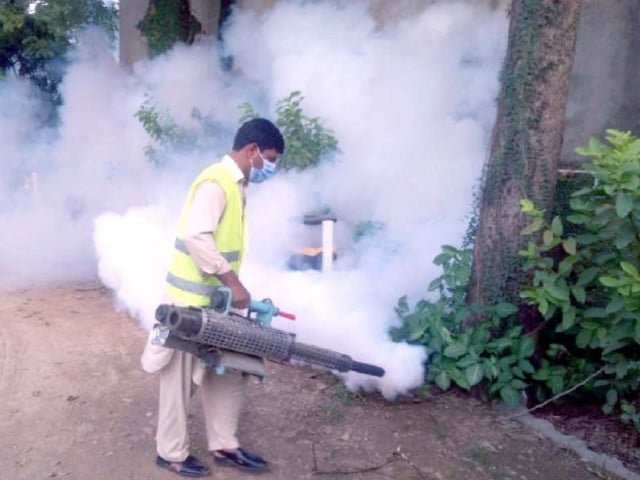
During the meeting, the deputy commissioner ordered immediate completion of cleaning work at graveyards and drainage lines, as well as the filling of ponds, to reduce breeding sites for dengue larvae. He also directed strict action against officials involved in fake activities and said negligence would not be tolerated.
Dr Cheema said the role of elected representatives was essential for making the campaign more effective and improving anti-dengue measures. He instructed all concerned institutions to remain present in the field, ensure full coverage of hotspots and clear pending cases without delay. He also stressed the need to further strengthen the public awareness campaign.
Officials informed the meeting that sweep operations were continuing in different areas and that targets had largely been met in most locations, though work in the remaining areas needed to be accelerated. The deputy commissioner said coordinated planning and cooperation among all institutions would help make Rawalpindi district safe from dengue.
Comments
No comments yet. Be the first to join the discussion!