

June 16, 2026
Pindi steps up efforts to curb dengue
Rawalpindi observed World Dengue Day while stepping up its anti-dengue campaign. Health authorities said more than 32,000 patients have been recorded in hospitals since 2013 and outlined surveillance, enforcement and prevention measures.

June 16, 2026
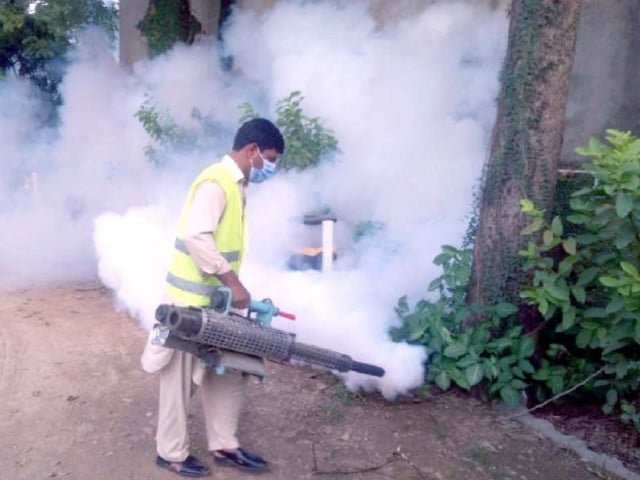
RAWALPINDI: Rawalpindi marked World Dengue Day with an expanded public awareness campaign and a renewed anti-dengue operation, as health authorities highlighted the scale of the district’s long-running effort against the mosquito-borne disease.
Dengue fever is a viral infection spread through the bite of the Aedes aegypti mosquito. The species breeds in clean water and typically bites during daylight hours, especially in the morning and around sunset. It is smaller than common mosquitoes and can be identified by black-and-white markings on its body and legs.
Disease history and symptoms
According to the information shared during the observance, dengue has been documented for centuries, with the first recorded symptoms reported in Asia, Africa and North America in 1780. Outbreaks of Dengue Hemorrhagic Fever first appeared in Southeast Asia during the 1950s. In Pakistan, dengue outbreaks have recurred since 1994, particularly in the monsoon season.
Symptoms generally emerge four to ten days after an infected mosquito bite. These include high fever, severe headache, pain behind the eyes, intense pain in the joints and muscles, skin rashes, nausea and vomiting.
Rawalpindi figures and enforcement
According to the Chief Executive Officer of the District Health Authority, Rawalpindi recorded 32,912 dengue patients in hospitals from 2013 to June 15, 2026. The official said the number of cases treated in private hospitals is believed to be higher.
For the current anti-dengue campaign, 1,268 teams have been deployed across the district. Authorities have divided Rawalpindi into five sectors, 13 zones and 33 clusters to carry out surveillance and prevention work.
Official figures for 2025 show that 2,765,061 houses were inspected, with dengue larvae detected in 39,272 homes. Authorities also checked 934,586 hotspots and found larvae at 6,895 locations. The district has recorded 210 dengue-related deaths.
The anti-dengue enforcement drive has also led to legal and administrative action. During the period cited by authorities, 796 first information reports were registered, 133 properties were sealed, 625 challans were issued, and fines amounting to Rs1.966 million were imposed.
Preventive measures
Health experts have advised residents to remove stagnant water from homes, streets and surrounding neighbourhoods, as standing water creates breeding sites for mosquitoes. They have also recommended installing screens on doors and windows, wearing full-sleeved clothing and using mosquito repellents to reduce the risk of infection.
The awareness activities on World Dengue Day were aimed at encouraging citizens to take these precautions as Rawalpindi continues its district-wide campaign against the disease.
0 Comments
No comments yet. Be the first to join the discussion!


