Pakistan’s total debt rises above Rs81 trillion, Senate panel told
Pakistan’s total debt has crossed Rs81 trillion, the Senate Standing Committee on Economic Affairs was told. Officials said external debt exceeds Rs26 trillion and domestic borrowing is above Rs55 trillion.

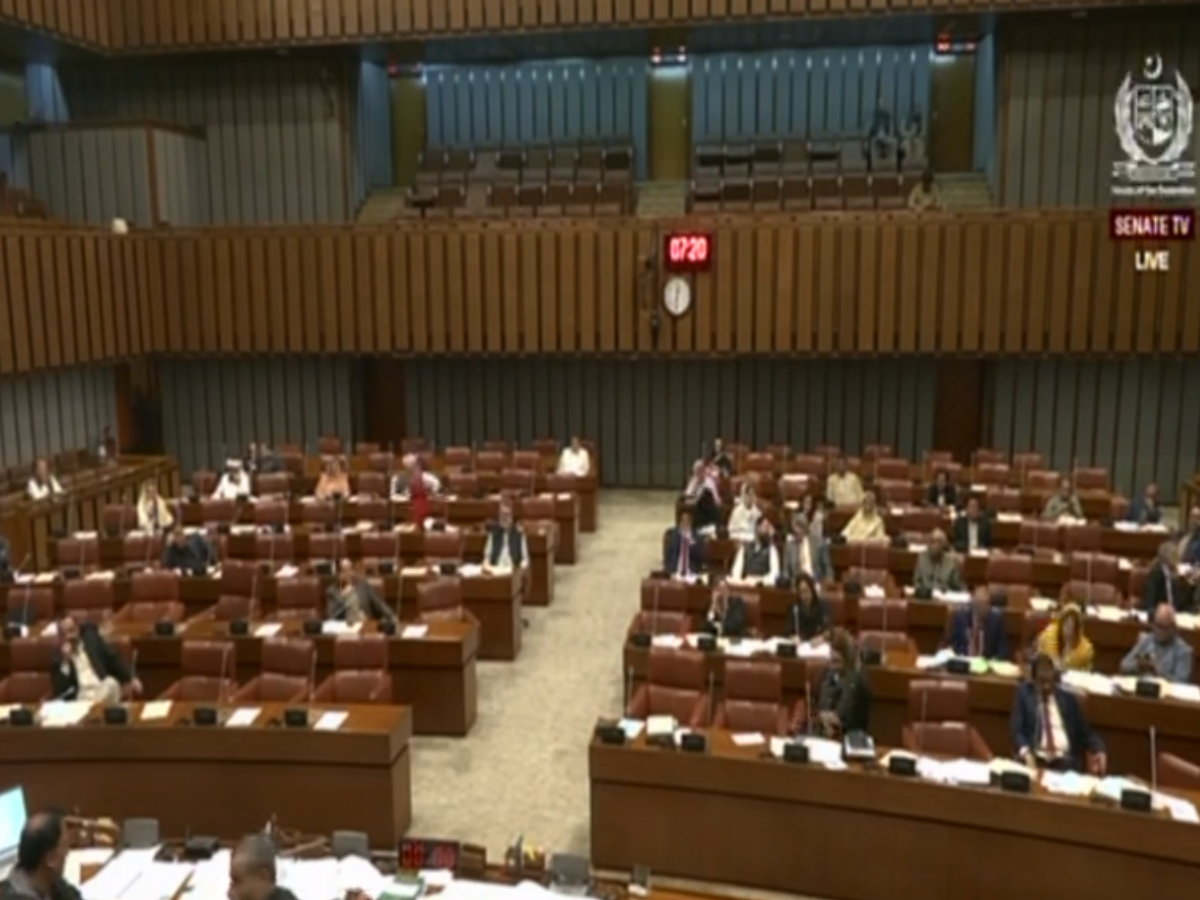
Islamabad: Pakistan’s overall debt has climbed past Rs81 trillion, with the average liability per citizen standing at about Rs325,000, the Senate Standing Committee on Economic Affairs was informed on Thursday.
During the committee’s meeting, officials of the Economic Affairs Division briefed lawmakers on the country’s debt position. They said external debt accounts for more than Rs26 trillion of the total, while domestic debt has crossed Rs55 trillion.
The officials told the committee that the fiscal deficit remains a key reason behind the continued increase in debt, explaining that the government has to borrow more to cover the gap. They also said the weakening of the rupee has added to the debt burden.
Committee discusses causes of debt increase
According to the briefing, the combination of persistent fiscal pressures and currency depreciation has contributed to the rise in liabilities. The committee was told that when the fiscal shortfall widens, additional borrowing becomes necessary, increasing the country’s debt stock.
Officials further noted that the rupee’s depreciation has made external obligations heavier in local currency terms, adding to the overall burden reflected in the latest figures presented to the panel.
Concern raised over economic policymaking
Members of the committee voiced concern over what they described as placing responsibility for economic policies solely on parliament. The issue came up during the discussion on the country’s debt trajectory and the factors behind it.
The committee chairman also referred to borrowing by the Khyber-Pakhtunkhwa government, saying the province had taken a Rs300 billion loan that remained unused, while interest payments on that amount were still being made.
The committee chairman said Khyber-Pakhtunkhwa government had borrowed Rs300 billion, which remained unutilized, yet the provincial government continued to pay interest on the loan.
The briefing to the Senate panel highlighted the scale of Pakistan’s debt obligations and the pressures linked to both domestic and external borrowing. The figures shared with the committee showed that domestic liabilities make up the larger portion of the total debt, while external debt also remains substantial.
The meeting focused on the debt burden, its underlying drivers, and concerns among lawmakers over the handling of economic policy and borrowing decisions.
Comments
No comments yet. Be the first to join the discussion!