China confirms 'progress' in Pakistan-Afghanistan talks amid escalating border tensions
China confirmed “progress” in Pakistan-Afghanistan negotiations, citing renewed willingness to sit for talks. The mediation comes as border clashes continue and a fragile ceasefire remains in place.

BEIJING: Negotiations between Pakistan and Afghanistan are reportedly advancing steadily, China confirmed on Friday, as the two neighbours continue to seek an end to their most serious conflict since the Taliban returned to power in 2021.
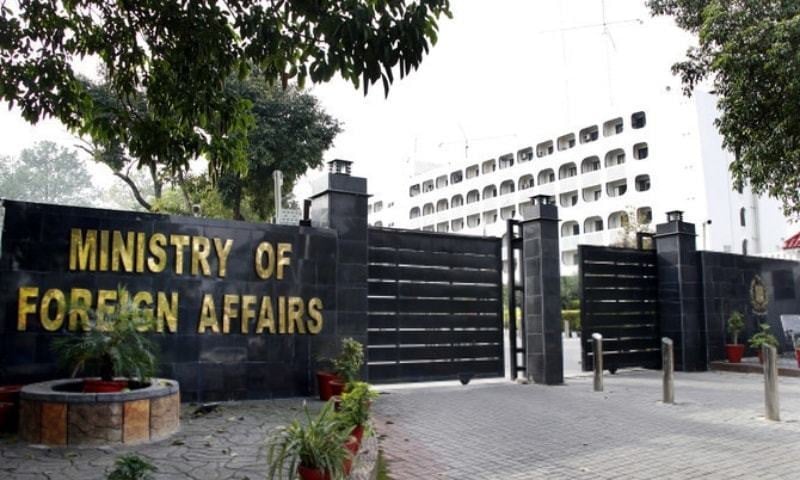
China, which shares a western border with both nations, has been actively mediating between the countries, holding frequent telephone calls with their foreign ministers and dispatching a special envoy for face-to-face discussions earlier in March. Chinese officials described the latest developments as a “positive step” toward restoring dialogue and reducing tensions along the volatile border region.
“Both Pakistan and Afghanistan attach importance to, and welcome, China’s mediation, and are willing to sit down for talks again, which is a positive development,” Mao Ning said during a daily press briefing, underlining China’s commitment to facilitating constructive communication between the two nations.
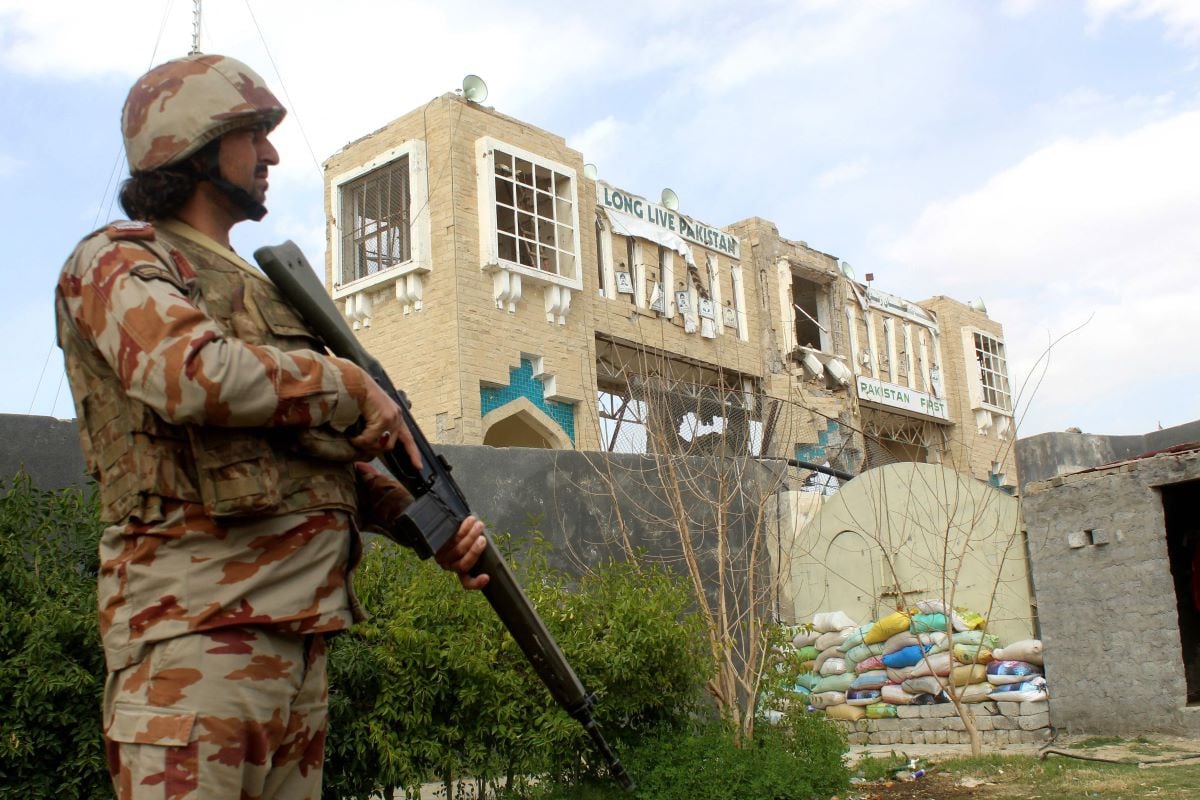
Since the outbreak of hostilities in October last year, the conflict along the Pakistan-Afghanistan border has claimed dozens of lives on both sides, with Afghan civilians reportedly bearing the heaviest brunt of the clashes. Islamabad has repeatedly accused the Afghan Taliban of providing sanctuary to militants who carry out attacks inside Pakistan. Kabul, however, has denied these allegations, describing militancy as a domestic problem of Pakistan and warning against cross-border interference.
The escalation has prompted international concern. Earlier in March, both sides agreed to a week-long ceasefire on the eve of Eidul Fitr, following appeals from Türkiye, Saudi Arabia, and Qatar. Although the truce temporarily reduced clashes, sporadic fighting continued in some border areas, highlighting the fragility of peace.
China has emphasised its approach to mediation as one of close communication, dialogue facilitation, and building conditions conducive to sustained negotiations.
Mao explained that China has “maintained close communication with both sides via multiple channels and at multiple levels” and has provided platforms for talks that are acceptable to both countries.
While she did not confirm the location of the latest meetings, previous reports indicate that discussions took place in the northwestern Chinese city of Urumqi, a hub for regional diplomacy due to its proximity to both Afghanistan and Pakistan.
The Chinese diplomat also reiterated the broader strategic rationale for Beijing’s involvement, noting that regional stability in South Asia is critical not only for neighbouring countries but also for global security and economic development.
She added that China aims to help the two nations resolve differences peacefully, avoid further loss of life, and create conditions for long-term cooperation in areas such as trade, border management, and counter-terrorism.
As tensions remain high, the international community is watching closely, hoping that continued dialogue will prevent further escalation. China has pledged to continue its mediation efforts, and officials indicated that further updates on the trilateral talks will be released once progress is made.
Comments
No comments yet. Be the first to join the discussion!