Pakistan, China push five-point roadmap for peace as Iran war threatens global stability
Pakistan and China have unveiled a five-point roadmap to restore peace and stability amid escalating tensions in the Middle East, focusing on ceasefire and diplomacy.

-- Both countries call for restraint to prevent regional escalation and humanitarian crises
-- Urge diplomacy with emphasis on sovereignty, mutual consent, and dialogue
-- Stress for implementing humanitarian law and safe global shipping routes
-- Call for UN-led frameworks and international cooperation to ensure lasting peace
ISLAMABAD: In a significant diplomatic move amid escalating tensions in the Middle East, Pakistan and China have jointly unveiled a detailed five-point initiative aimed at halting the ongoing US-Israel war on Iran and restoring peace and stability across the Gulf region.
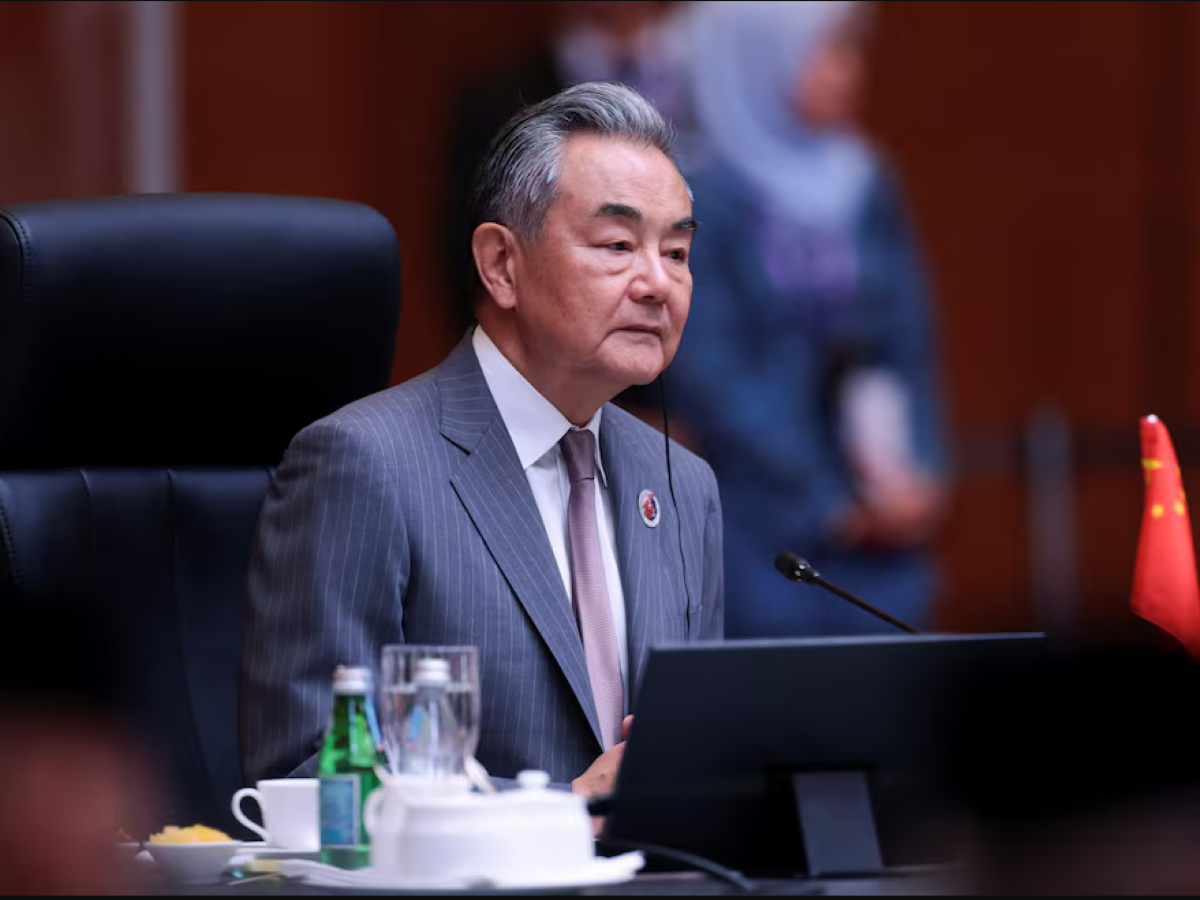
The initiative was formalised during Deputy Prime Minister and Foreign Minister Ishaq Dar’s high-level visit to Beijing, where he held extensive talks with Chinese Foreign Minister Wang Yi. The discussions focused on the deteriorating regional security environment and the urgent need for coordinated international action to prevent further escalation.
According to a statement issued by the Foreign Office, both sides expressed deep alarm over the widening scope of the conflict, warning that continued hostilities could destabilise not only the Middle East but also global economic and energy systems.
At the core of the five-point plan is a call for an immediate cessation of hostilities. Pakistan and China urged all parties involved to exercise maximum restraint and avoid actions that could expand the conflict into a broader regional war. They emphasised that preventing spillover into neighbouring countries was essential to maintaining international peace and security.
The two countries stressed that military escalation would only deepen humanitarian suffering and complicate future peace efforts, urging global powers to act responsibly in line with international norms.
A central pillar of the initiative is the urgent commencement of peace talks. Both Islamabad and Beijing underscored that dialogue and diplomacy remain the only sustainable path forward, calling on all stakeholders to engage in “meaningful and sincere” negotiations.
They reiterated that any resolution must respect the sovereignty, territorial integrity and national independence of all states, including Iran and Gulf countries, and must be based on mutual consent rather than coercion.
Highlighting the humanitarian dimension of the conflict, Pakistan and China called for strict adherence to international humanitarian law. They urged all sides to immediately halt attacks on civilian populations and non-military infrastructure, including energy facilities, desalination plants, and nuclear installations.
The statement warned that targeting such infrastructure could lead to catastrophic consequences, including environmental disasters and long-term disruption of essential services for millions of people.
The initiative places special emphasis on ensuring the security of maritime trade, particularly through the Strait of Hormuz, a critical artery for global energy supplies.
Pakistan and China called for the protection of commercial vessels and crew operating in and around the strait, urging all parties to guarantee safe passage and avoid any actions that could disrupt international shipping. They stressed that any prolonged blockage or instability in this corridor could trigger a global energy crisis and severely impact international markets.
The final component of the five-point plan focuses on reinforcing multilateral cooperation under the framework of the United Nations. Both countries called for renewed global efforts to establish a comprehensive peace framework grounded in the UN Charter and international law.
They emphasised the need to uphold the principles of collective security, dialogue, and cooperation, warning against unilateral actions that undermine international institutions and norms.
During the visit, China reaffirmed its commitment to strengthening strategic coordination with Pakistan, describing the bilateral relationship as an “all-weather strategic cooperative partnership.” Both sides agreed to maintain close communication on the Iran situation and work jointly to advance peace initiatives.
The diplomatic push comes at a time when Pakistan has taken on an increasingly prominent role as a mediator in the conflict. Officials have confirmed that indirect communication between Washington and Tehran is ongoing, facilitated through structured message exchanges and supported by regional partners.
The conflict has already begun to impact global energy markets and trade routes, raising concerns about supply disruptions and economic instability. The joint initiative reflects growing international recognition that a prolonged war could have far-reaching consequences beyond the Middle East.
Iran’s Ambassador to Pakistan has welcomed Islamabad’s proactive diplomatic engagement, describing it as a constructive effort to de-escalate tensions and promote lasting stability.
The Pakistan-China proposal signals a broader shift toward diplomacy at a time when military tensions remain high. By presenting a structured roadmap for peace, both countries aim to create momentum for negotiations and encourage all parties to move away from confrontation.
As the situation continues to evolve, the success of this initiative will largely depend on the willingness of key stakeholders to engage in dialogue and prioritise long-term stability over short-term strategic gains.

The writer is Head of News at Pakistan Today. He has a special focus on current affairs, regional and global connectivity, and counterterrorism. He tweets as @mian_abrar and also can be reached at [email protected]
View all articles →Comments
No comments yet. Be the first to join the discussion!