Pakistan secures over four weeks of fuel amid Strait of Hormuz facilitation from Iran
Pakistan's fuel reserves have increased to over four weeks, aided by Iranian facilitation through the Strait of Hormuz, ensuring stable supply and logistics.

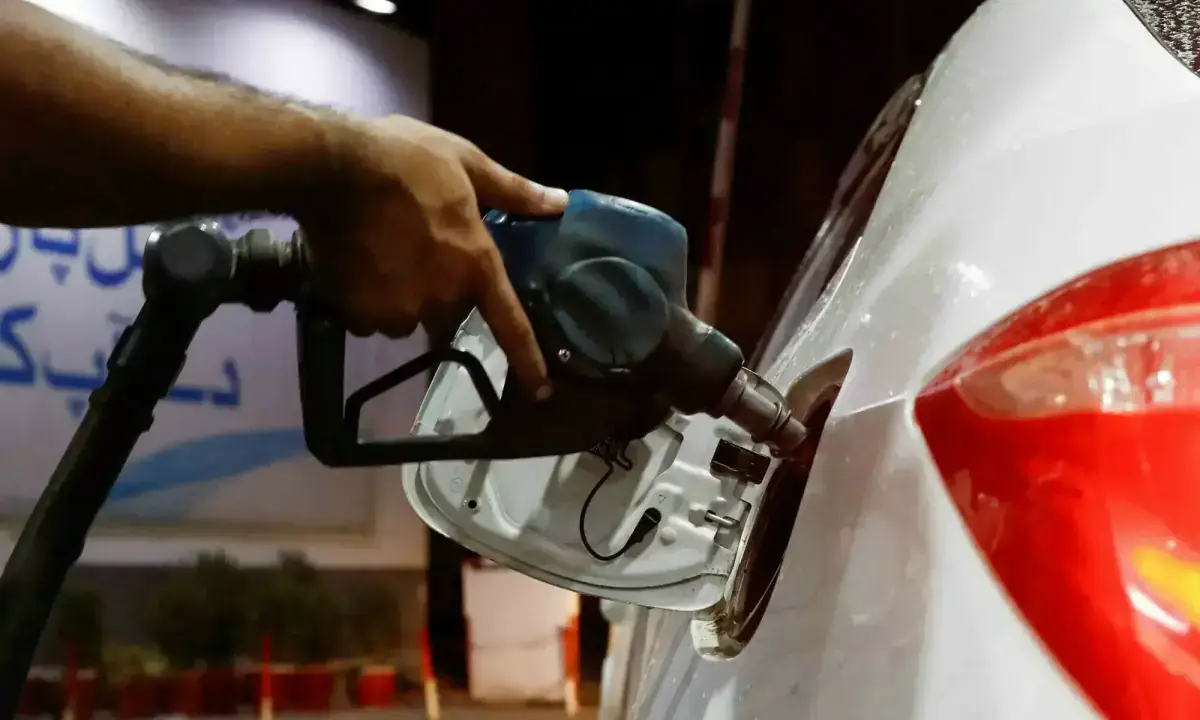
ISLAMABAD: Pakistan’s fuel reserves have increased to over four weeks, with supplies for March and April fully secured, Adviser to the Finance Minister Khurram Schehzad said on Monday, describing the situation as stable and improving.
“Earlier, stocks stood at 24 days, which increased to 28 days and have now exceeded four weeks,” Schehzad said during a Geo News programme, adding that crude oil inflows continue and are being refined into petrol and diesel.
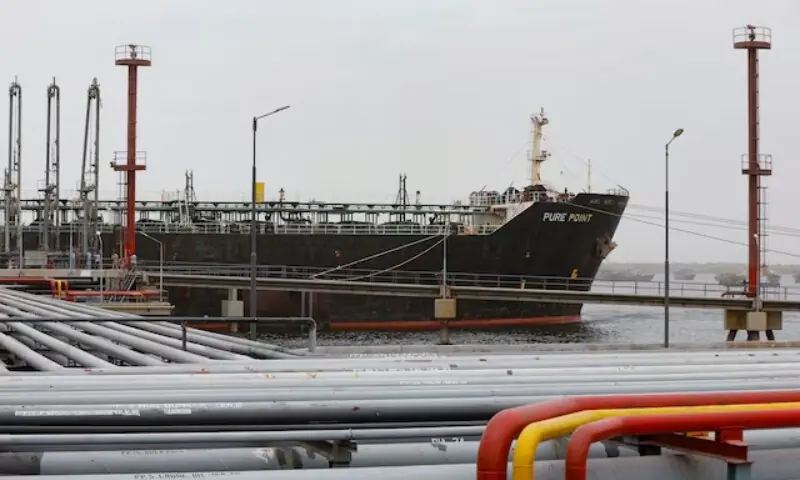
The remarks follow Deputy Prime Minister and Foreign Minister Senator Ishaq Dar’s announcement that Iran has agreed to facilitate additional Pakistani vessels through the Strait of Hormuz. Dar said 20 more Pakistani-flagged ships will be allowed passage, with two crossing daily, a move seen as strengthening peace and stability in the region.
Iranian threats had previously kept many oil tankers from using the strait, though a few vessels—including Pakistani and Indian ships—have passed safely after Tehran’s assurances. Since the conflict began, nearly 16 attacks have damaged at least 17 commercial ships, while approximately 1,900–2,000 vessels remain stranded, according to Reuters.
Schehzad noted that Pakistan’s improved logistics, coupled with priority facilitation through the strait, will further enhance fuel reserves and ensure timely supply to refineries. Despite global supply pressures, he stressed that Pakistan had avoided disruptions seen elsewhere. “Supplies are intact, in fact, they are improving… stay worry-free, your stocks will not decrease,” he said.
On the fiscal side, Schehzad highlighted that the government is managing petroleum costs through expenditure cuts and austerity measures rather than subsidies, including a 20% reduction in non-employee related spending and cuts to development projects. Additional conservation measures—such as reduced government fuel usage, salary contributions by public officials, and work-from-home policies—have further eased supply pressure.
He concluded that continued cooperation between the federal government, provinces, and the private sector is key to maintaining stability, asserting that Pakistan has effectively handled the challenge and is prepared for the coming months.
Comments
No comments yet. Be the first to join the discussion!