Centre, provinces reach consensus on App-based fuel quota system for targeted subsidy
The federal and provincial governments have agreed to implement an app-based fuel quota system to provide targeted subsidies for low-income users of two- and three-wheelers. This initiative aims to enhance transparency and efficiency in subsidy delivery while ensuring stability in fuel supply.
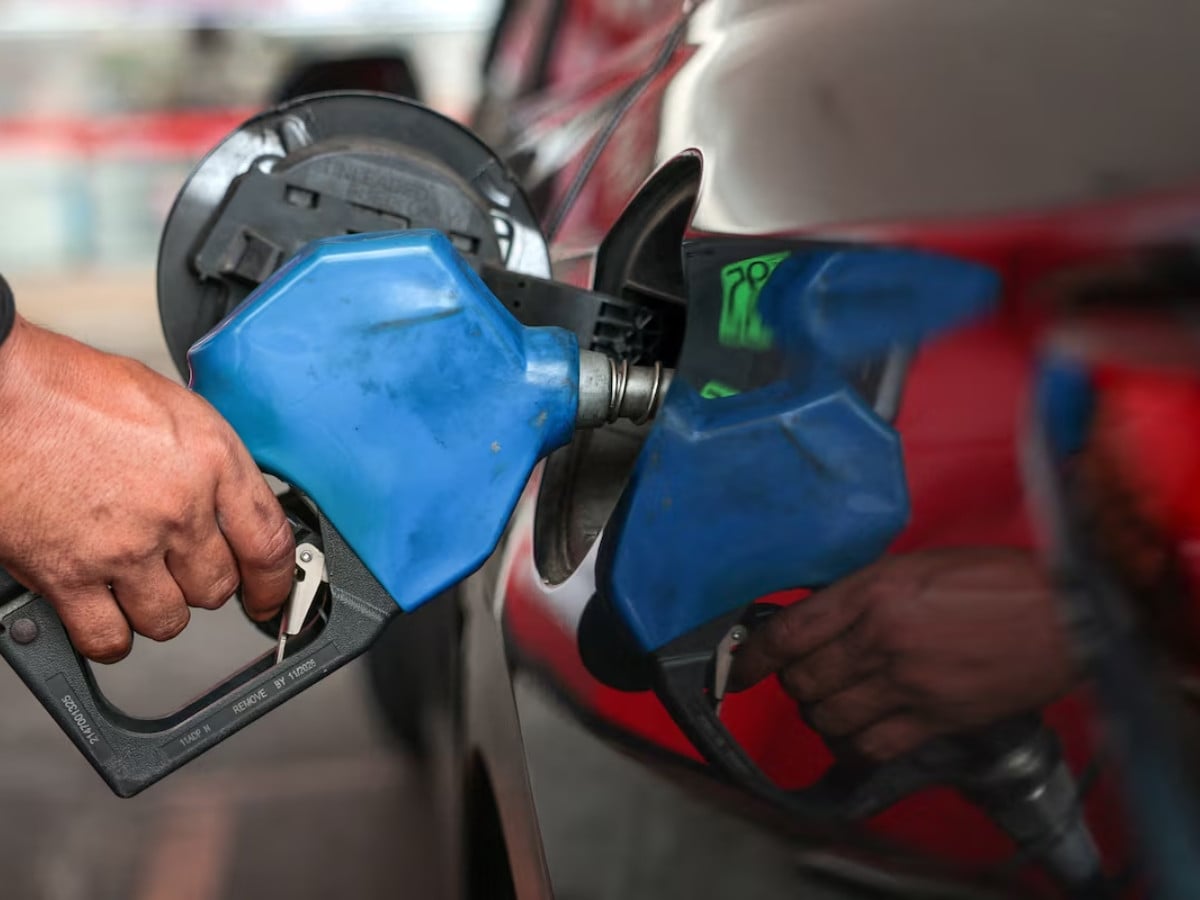
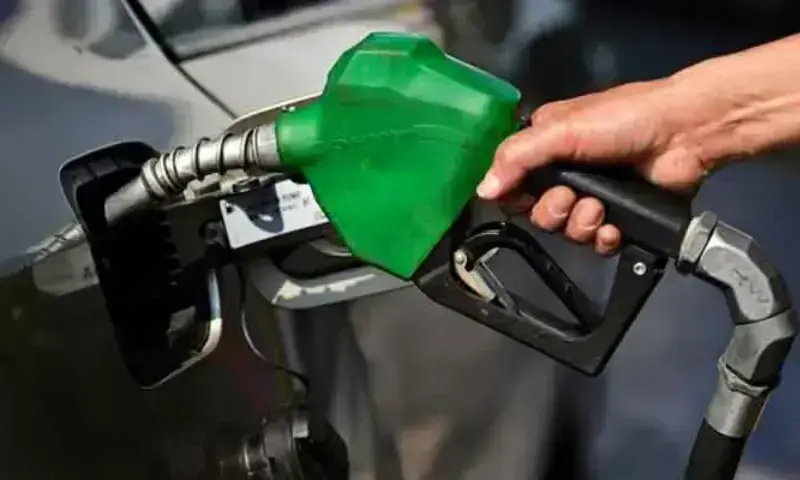
ISLAMABAD: The federal and provincial governments on Friday agreed to roll out a mobile application-based quota system for fuel distribution aimed at delivering targeted subsidies to low-income users of two- and three-wheelers while minimising leakages of public funds.
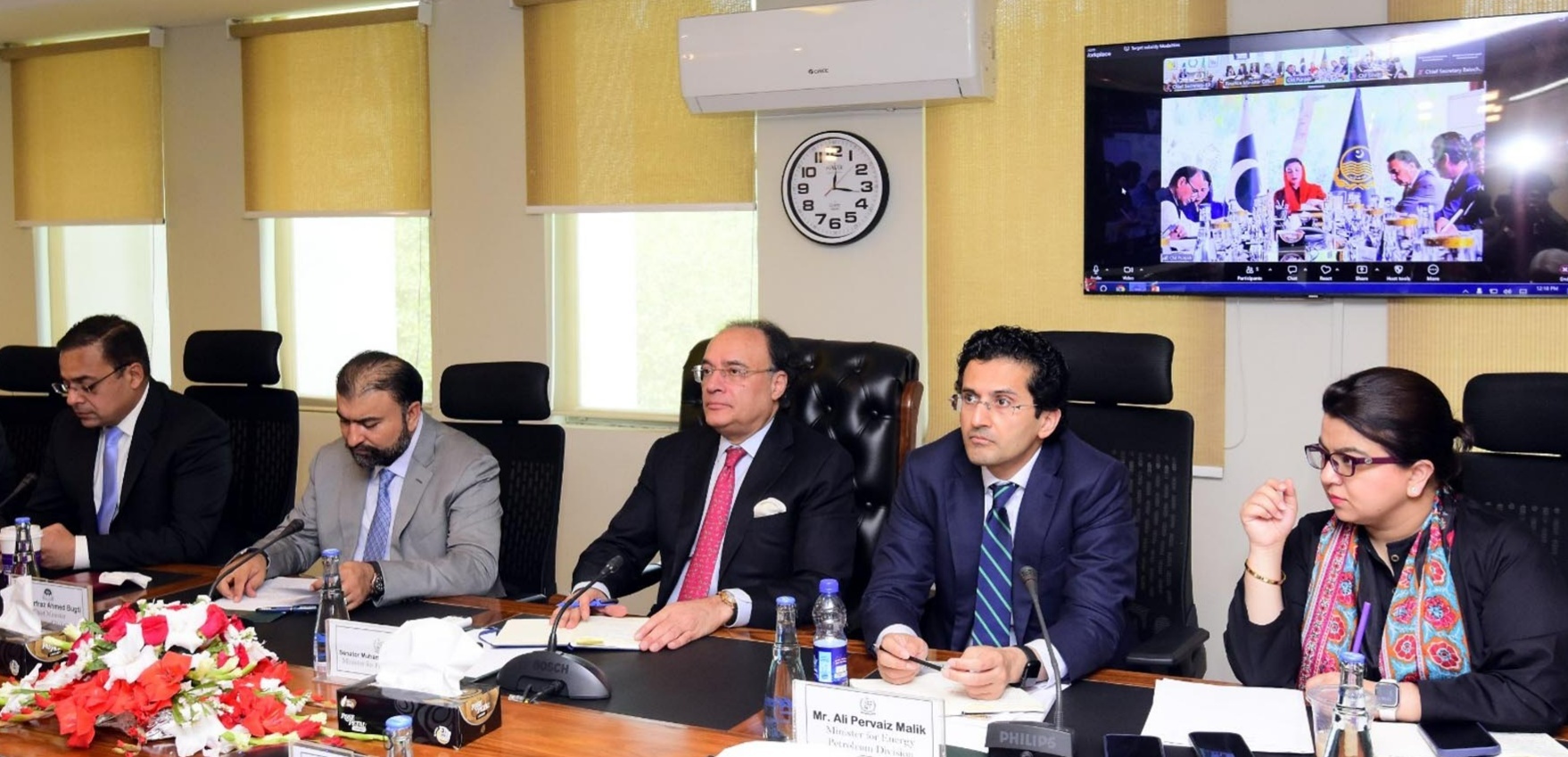
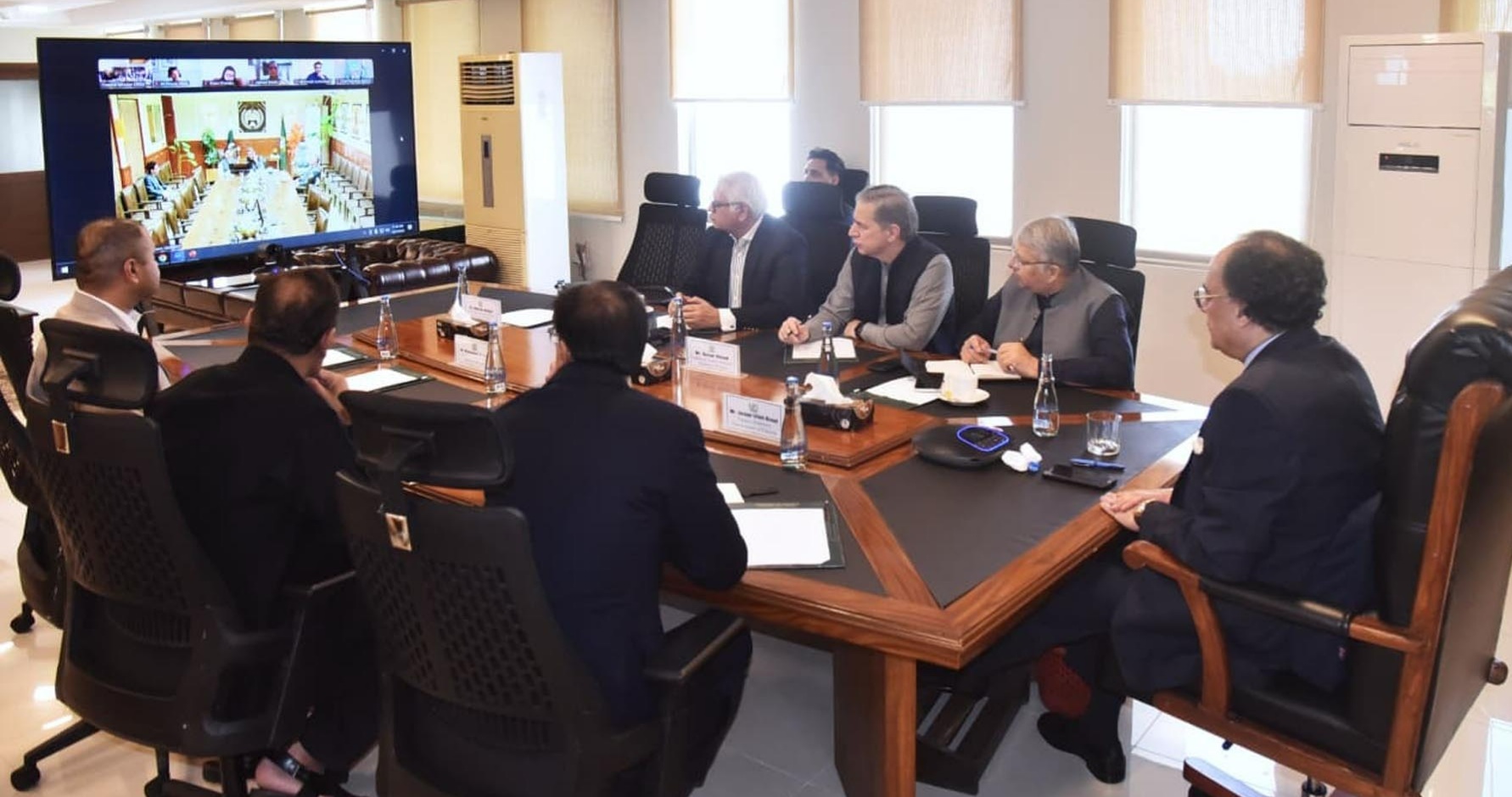
The decision was taken at a high-level consultative meeting chaired by Finance Minister Muhammad Aurangzeb, where participants stressed the need to fast-track a technology-driven framework ensuring transparent and efficient subsidy delivery. The Ministry of Finance said both tiers of government would maintain close coordination to operationalise the system at the earliest.
Officials noted with satisfaction that the country’s fuel supply remained stable, following a detailed briefing by the Petroleum Division on the availability of petroleum products nationwide.
A key presentation by the Ministry of Information Technology and Telecommunication outlined the proposed digital mechanism, focusing on automation, transparency, and improved targeting. The system is designed to ensure subsidies reach only eligible segments, particularly low-income users dependent on motorcycles and rickshaws.
Provincial leaders also weighed in on policy options. Murad Ali Shah appreciated federal efforts to maintain uninterrupted fuel supplies, while calling for behavioural changes to encourage fuel conservation. Punjab Senior Minister Marriyum Aurangzeb emphasised the need for flexible policy responses to fluctuating global oil prices and stressed that any relief from declining international rates must be passed on to consumers.
Meanwhile, Muzzammil Aslam commended the federal government’s handling of petroleum supplies, noting that Pakistan’s performance remained comparatively better than several regional countries.
The Finance Division, however, cautioned that limited fiscal space—primarily derived from the petroleum levy—necessitates carefully calibrated relief measures to safeguard macroeconomic stability.
In his remarks, Aurangzeb described the current situation as an opportunity for structural reforms, underscoring the importance of data-driven policymaking in taxation and subsidy design to enhance efficiency and transparency.
Sources revealed that the federal government is also engaging provinces, particularly Punjab and Sindh, to share the financial burden of rising global oil prices in order to avoid passing the full impact onto consumers amid ongoing regional tensions.
How the App-Based System Will Work
According to officials, the proposed system will be fully automated. Consumers will use a dedicated mobile application linked to their vehicle registration number and CNIC, while petrol stations will operate through a separate app installed on designated devices.
Users will generate digital vouchers specifying fuel requirements, which retailers will scan to validate quota limits. If a user exceeds their allocated quota, the system will automatically restrict the supply to the permissible limit.
Retailers will be required to install at least two devices—costing approximately Rs36,000 each—for system operations, with procurement overseen through the Oil and Gas Regulatory Authority. Special dispensers will be allocated for subsidised fuel distribution to eligible vehicles.
Oil marketing companies will appoint focal persons at each retail outlet to ensure smooth implementation, while the IT ministry will provide training through demos and tutorials. A contingency mechanism will also be in place for emergency approvals.
Officials said the initiative draws inspiration from the successful Ramazan subsidy model and aims to combine fiscal discipline with targeted public relief through digital innovation.
Comments
No comments yet. Be the first to join the discussion!