

Unlicensed pharmacists continue to operate medical stores across the country
Medical stores across Pakistan continue to be operated by unlicensed and unqualified individuals, posing serious public health risks as untrained staff dispense medicines without proper pharmaceutical oversight.

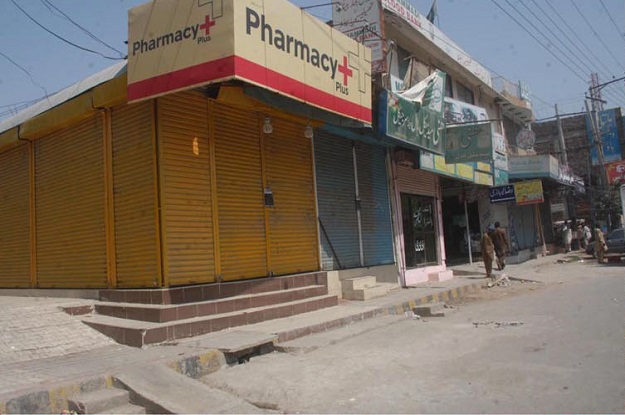
KARACHI: A large number of medical stores in Karachi and interior Sindh are reportedly being run by untrained individuals, including minors, instead of licensed pharmacists, raising serious concerns about patient safety and regulatory enforcement.
Despite the requirement for qualified pharmacists to dispense medicines, many outlets are operated by people without formal training or legal authorization, who often provide medical advice and substitute prescribed drugs without understanding patients’ conditions. Sindh has around 30,000 medical stores, but only about 20,000 registered pharmacists, and only a small fraction of them are actually present at retail outlets.
Selling medicines without a pharmacist on-site is a legal violation, yet investigations have found that several shops operate under the license of a single pharmacist. In such cases, degrees are displayed but the pharmacist is absent, allegedly receiving payment for the use of their credentials. Although drug inspectors are tasked with verifying both licensing and presence, enforcement is said to be weak.
Widespread breaches of prescription laws further worsen the situation. Medicines including antibiotics, anti-allergy drugs and multivitamins are routinely sold without prescriptions. Experts warn that incorrect dispensing, dosage errors and confusion caused by similar drug names or unclear prescriptions can pose serious health risks. The unchecked sale of antibiotics is also accelerating antibiotic resistance, reducing their effectiveness.
Court rulings require every medical store to have a qualified pharmacist available to guide patients, and only licensed outlets are allowed to sell medicines. However, in rural areas such as Gadap and Baba Bhit, many stores lack both pharmacists and basic facilities like refrigeration needed for vaccines.
Concerns have also been raised over the drug licensing system. While licenses were previously issued by the Director Health Karachi, the process was decentralised in 2020 to District Health Officers (DHOs) across seven districts, a move that has allegedly increased opportunities for corruption.
Licenses are reportedly being issued for amounts ranging from Rs200,000 to Rs500,000, despite official fees being much lower — Rs5,000 for a new license and Rs3,000 for renewal. The validity period, once one year, was later extended to two years and then to five years in 2023.
The process is said to involve multiple intermediaries, including clerks, inspectors and agents, before final approval by DHOs. Each district reportedly handles more than 50 applications monthly. Shop owners claim bribes are often demanded during inspections to ignore violations and issue favourable reports, with additional payments allegedly required at later stages.
Although a Form-D pharmacy degree is mandatory for licensing, allegations suggest that a single degree is sometimes used for multiple stores. In cases where no pharmacist is available, agents are reportedly able to arrange degrees for Rs100,000 to Rs200,000. Some owners also claim inspectors demand monthly payments to facilitate renewals.
Dr Adnan Rizvi, President of the Pakistan Pharmacists Association Sindh, said that while thousands of pharmacists graduate each year and tens of thousands are registered nationwide, enforcement of existing laws remains insufficient. He added that regulations clearly prohibit a pharmacist from working at more than one store and place responsibility on inspectors to ensure compliance under the Drug Act.
Comments
No comments yet. Be the first to join the discussion!


