Traditional family households in Pakistan face decline amid rising costs and shrinking spaces

ISLAMABAD: Traditional family households in Pakistan are witnessing a steady decline as soaring living costs, shrinking housing space, and shifting social patterns push families towards smaller units, according to a report published on Wednesday.
Rising costs driving family fragmentation
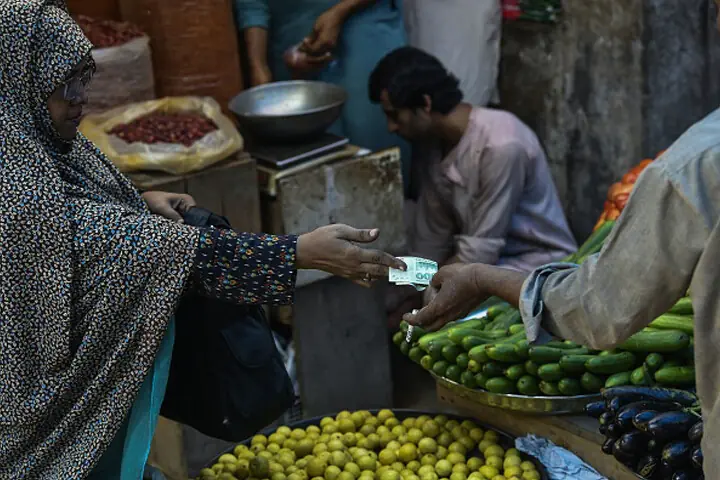
The escalating cost of living across the country has emerged as one of the primary factors contributing to the breakup of traditional joint family systems. With inflation continuing to squeeze household budgets, many families are finding it increasingly difficult to sustain larger family units under one roof, leading to a noticeable shift towards nuclear family arrangements.
Shrinking housing space compounds the problem
Adding to the financial pressures, the availability of adequate housing space has been on a downward trajectory. As urban areas become more congested and real estate prices continue to climb, families are being forced to make do with smaller living quarters. This physical constraint has made it practically challenging for extended families to cohabit, further accelerating the move towards smaller household sizes.
Changing social patterns reshape family structures
Beyond economic and spatial factors, evolving social dynamics are also playing a significant role in reshaping family structures across Pakistan. Shifting attitudes towards independence, privacy, and individual lifestyle choices have contributed to younger generations increasingly opting to establish their own separate households rather than continuing to live within the traditional joint family setup.
The convergence of these three factors — rising expenses, limited housing availability, and changing societal norms — has created a perfect storm that is gradually eroding the once-dominant joint family model that has been a hallmark of Pakistani society for generations.
The trend towards smaller family units carries wide-ranging implications for the country's social fabric, housing market, and public policy planning. As nuclear families become more prevalent, demand patterns for housing, healthcare, education, and other essential services are likely to undergo significant shifts.
The decline of traditional family households also raises questions about the future of social support systems that have historically been embedded within extended family networks in Pakistan, particularly for elderly family members and those in need of care and financial assistance.
Comments
No comments yet. Be the first to join the discussion!