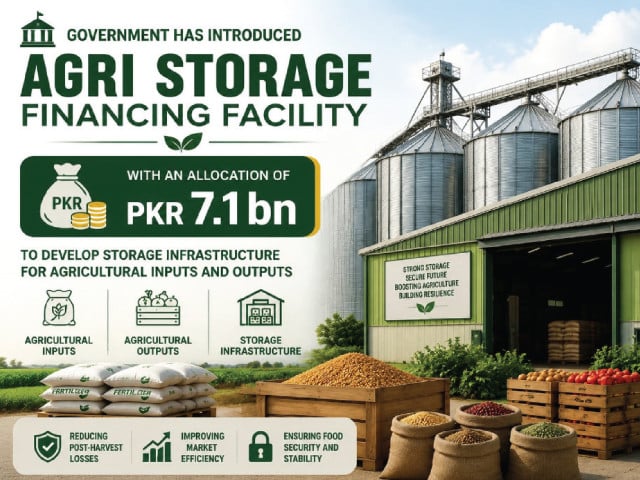
40% post-harvest losses hit Pakistani growers amid cold storage gap and energy outages
Pakistani growers face 40% post-harvest losses due to cold storage shortfalls and energy outages disrupting supply chains. Meanwhile, processed fruit exports have entered the Japanese market.

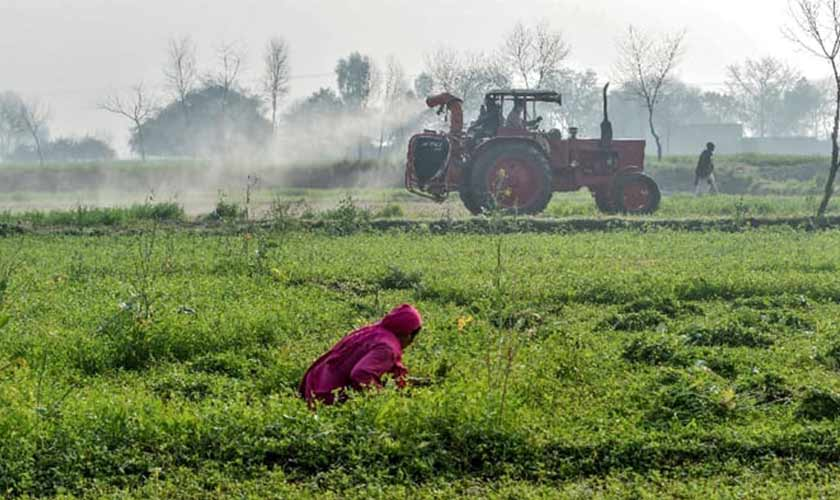
ISLAMABAD: Pakistani farmers are suffering post-harvest losses of up to 40 per cent due to a significant gap in cold storage infrastructure and persistent energy outages that continue to disrupt supply chains across the country.
Cold storage deficit and energy crisis
The lack of adequate cold storage facilities has emerged as a major obstacle for agricultural producers in Pakistan, with the shortfall contributing heavily to the staggering 40 per cent post-harvest losses being reported. The situation is further compounded by frequent energy outages, which undermine the functioning of whatever limited cold chain infrastructure exists, making it difficult for growers to preserve their produce and get it to market in a timely manner.
The post-harvest losses represent a significant economic blow to farmers who are already grappling with rising input costs and other challenges in the agricultural sector. The inability to store perishable produce properly means that a large portion of crops, particularly fruits and vegetables, deteriorates before reaching consumers or processing units.
Supply chain disruptions
The combined effect of insufficient cold storage capacity and unreliable power supply has created serious disruptions in agricultural supply chains. These disruptions not only affect farmers' incomes but also contribute to food price inflation for consumers, as the reduced supply of fresh produce drives up costs in local markets.
The gap between the available cold storage infrastructure and what is actually needed to handle Pakistan's agricultural output remains a longstanding issue that stakeholders in the sector have repeatedly highlighted. Without significant investment in modern cold chain logistics and a more reliable energy supply, growers are likely to continue bearing heavy losses.
Processed fruit exports enter Japanese market
In a positive development for the country's agricultural trade, Pakistan's processed fruit exports have made their way into the Japanese market. The entry into Japan, known for its stringent quality standards and rigorous import requirements, is seen as a notable achievement for Pakistan's food processing industry.
The development suggests that while the country continues to struggle with preserving fresh produce domestically due to infrastructure deficiencies, its processed fruit sector is finding new avenues for growth in high-value international markets. Access to the Japanese market could open further opportunities for Pakistani exporters to diversify their trade destinations and boost foreign exchange earnings from the agricultural sector.
The contrast between the significant post-harvest losses at home and the successful penetration of a demanding export market like Japan underscores the potential that exists within Pakistan's agricultural sector, provided the necessary investments in infrastructure and energy are made to support farmers and the broader supply chain.
Comments
No comments yet. Be the first to join the discussion!