

PMDC urges provinces to bridge gap between medical graduates and postgraduate training slots
PMDC has urged provincial health departments to address the growing gap between medical graduates and postgraduate training slots, citing it as a key driver of brain drain among Pakistani doctors.

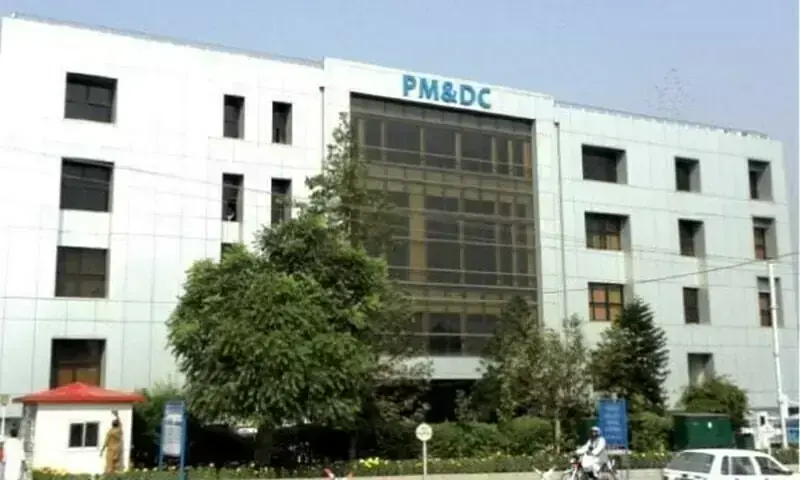
ISLAMABAD: The Pakistan Medical and Dental Council (PMDC) has recommended that provincial health departments take steps to address the widening disparity between the number of medical graduates produced each year and the limited postgraduate (PG) training positions available to them.
The council noted that this imbalance is a major factor driving the growing exodus of skilled medical graduates who seek better training and career prospects abroad. The recommendation was issued in light of a decision taken by the PMDC council last month.
Undergraduate expansion not matched by postgraduate growth
A PMDC spokesperson, in an official statement, acknowledged that while the country has significantly expanded undergraduate medical education over the past two decades, the corresponding growth in postgraduate training infrastructure has not kept pace.
"Pakistan has made substantial progress in undergraduate medical education over the past two decades, resulting in an adequate and in certain disciplines surplus output of medical graduates. However, this expansion has not been accompanied by a commensurate increase in structured and funded postgraduate training positions," the PMDC spokesperson said.
The spokesperson further highlighted the intense competition that qualified doctors face annually for a restricted number of residency positions, particularly within the public sector.
"As a result, a large number of qualified doctors compete each year for a limited number of PG residency slots, particularly in the public sector," the spokesperson added.
Brain drain concerns
The PMDC's communication to provincial health departments underscores growing concerns over the migration of Pakistani medical professionals to other countries. The council has identified the shortage of structured and adequately funded postgraduate training opportunities as a central driver of this trend.
By directing its recommendations to provincial health departments, the PMDC has signalled that responsibility for expanding postgraduate training capacity lies largely with the provinces, which oversee the majority of public-sector teaching hospitals and training programmes across the country.
The council's push to narrow the gap between the output of medical graduates and the availability of postgraduate training positions reflects an effort to retain skilled healthcare professionals within Pakistan's health system and curtail the outflow of trained doctors seeking opportunities overseas.
3 Comments
No comments yet. Be the first to join the discussion!


