Italy, Germany and France offer help with Strait of Hormuz only after ceasefire
Italy, Germany and France have offered to help reopen the Strait of Hormuz to commercial shipping but only after a ceasefire is in place, responding to Trump's call for NATO and world powers to assist.

ROME/BERLIN/PARIS: Italy, Germany and France have expressed willingness to assist in reopening the Strait of Hormuz to commercial shipping, but have conditioned their support on a ceasefire being established first.
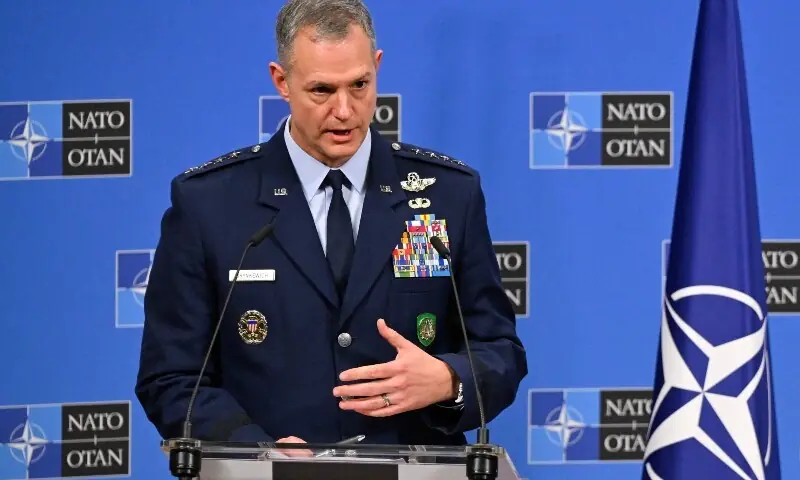
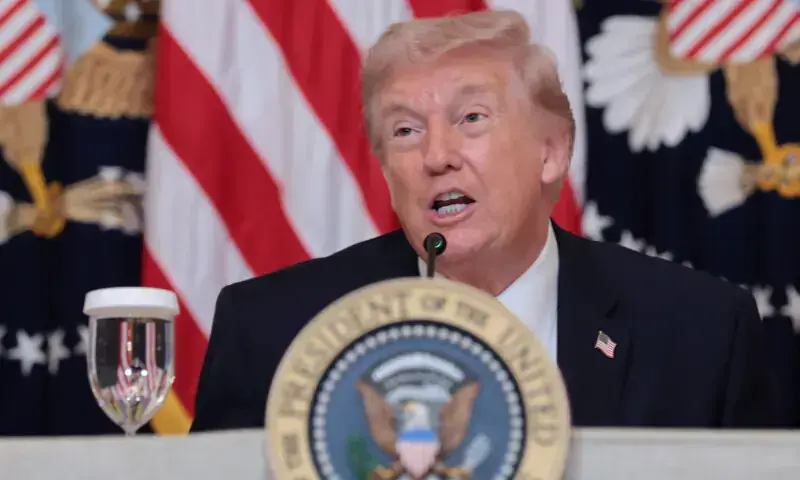
The development comes after US President Donald Trump called on other world powers and NATO allies to help reopen the strategically vital waterway, which serves as one of the most important chokepoints for global oil and energy shipments.
European conditions for involvement
The three major European nations have signalled that any participation in efforts to restore commercial navigation through the Strait of Hormuz would be contingent upon a ceasefire being in place. The collective stance of Italy, Germany and France underscores the European approach of linking military or logistical assistance to diplomatic progress and de-escalation in the region.
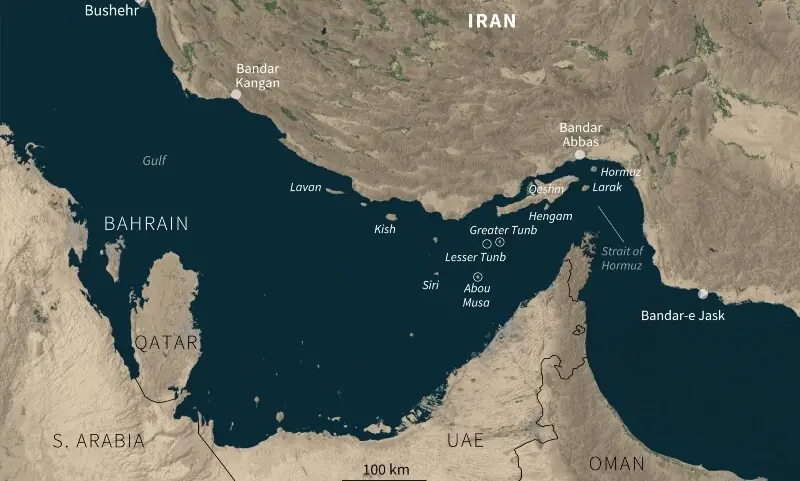
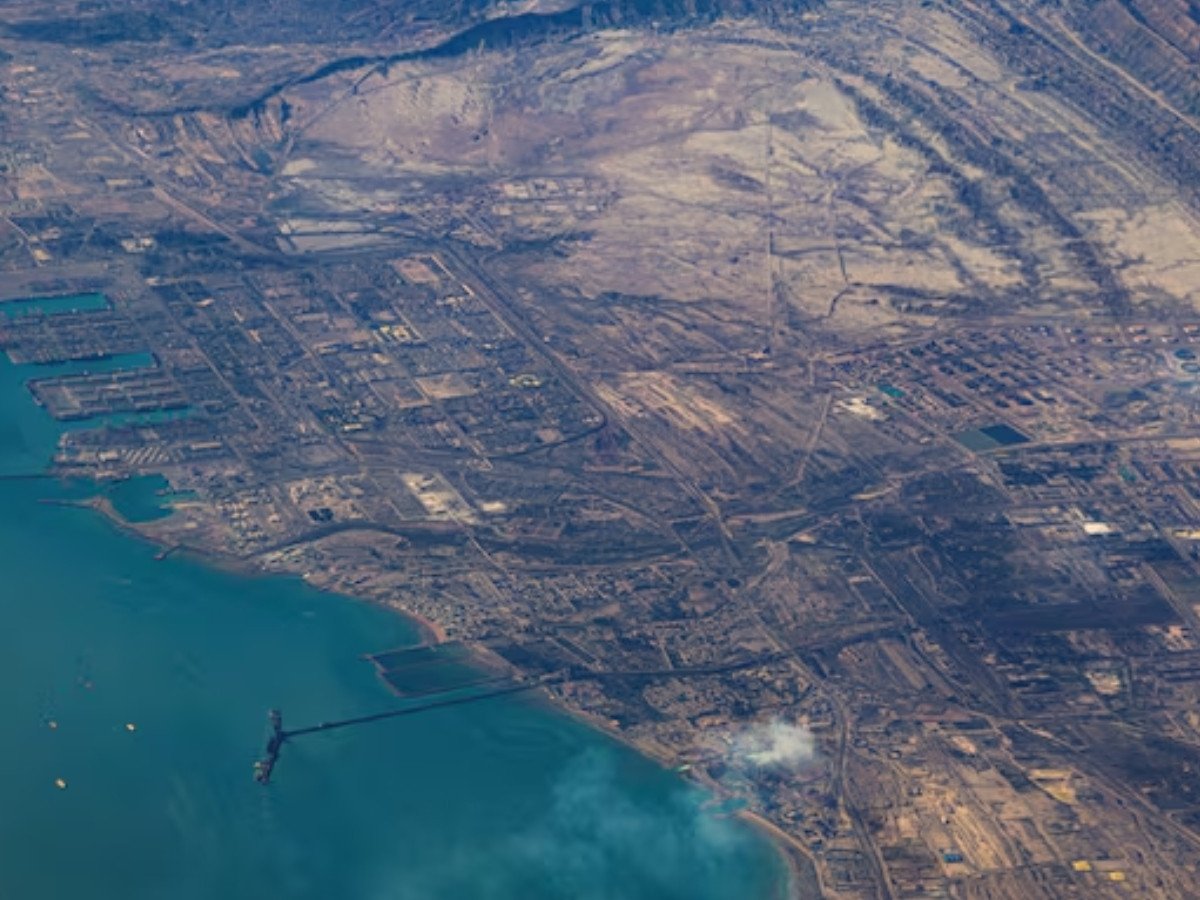
Trump's appeal to NATO and other global powers to contribute to the reopening of the strait reflects Washington's desire to share the burden of ensuring freedom of navigation in one of the world's most critical maritime corridors. The Strait of Hormuz, located between Iran and the Arabian Peninsula, is a narrow passage through which a significant portion of the world's oil supply transits daily.
Strategic importance of the Hormuz Strait
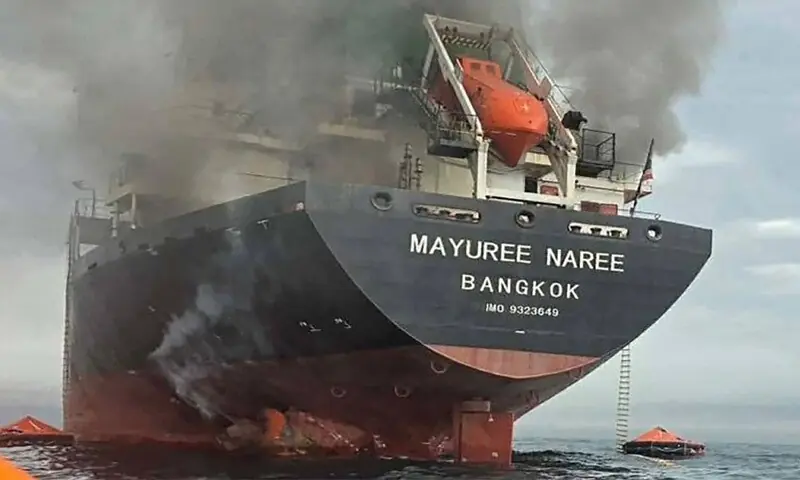
The Strait of Hormuz has long been a focal point of geopolitical tensions, given its critical role in global energy markets. Any disruption to shipping through the strait has the potential to send shockwaves through international oil markets and affect energy prices worldwide.
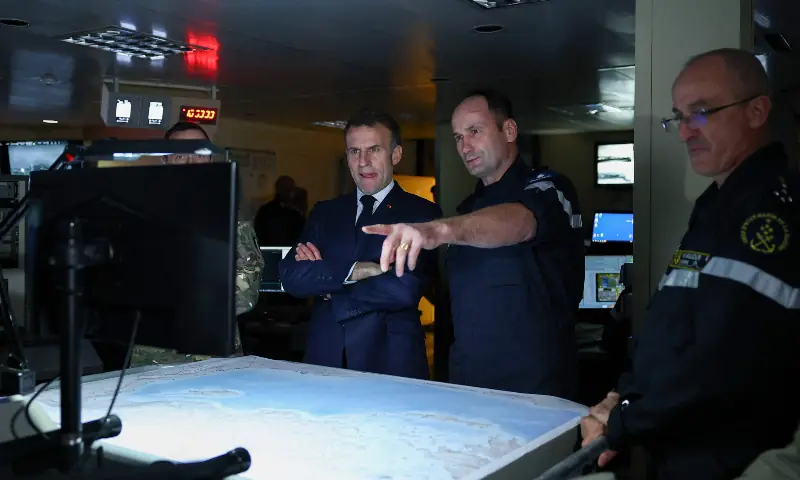
The conditional offer from the three European heavyweights highlights the complexities involved in assembling an international coalition to address maritime security concerns in the region. While Trump has pushed for broader international involvement, European nations appear to be treading cautiously, insisting that diplomatic groundwork must precede any operational commitments.
The European position of demanding a ceasefire as a prerequisite for assistance could potentially complicate Washington's plans for a swift multinational response to secure the waterway. The stance of Italy, Germany and France reflects a broader European emphasis on diplomacy and conflict resolution before committing to operational involvement in volatile regions.
It remains to be seen how the United States will respond to the conditions set by its European allies and whether a broader consensus can be reached within NATO on the matter.
Comments
No comments yet. Be the first to join the discussion!