European countries, Japan express readiness to safeguard shipping through Strait of Hormuz
UK, France, Germany, Italy, the Netherlands, and Japan signal willingness to ensure safe commercial shipping through the Strait of Hormuz amid Middle East conflict disruptions.

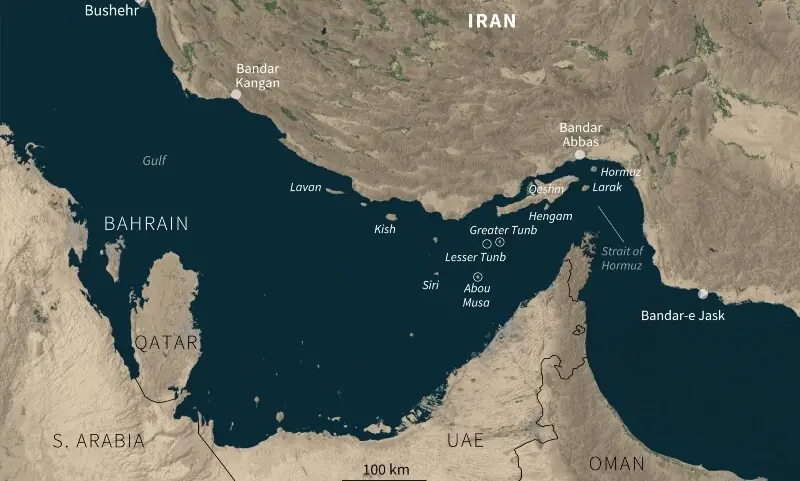
LONDON: Leaders from the United Kingdom, France, Germany, Italy, the Netherlands, and Japan have signalled their willingness to support efforts aimed at ensuring the safe passage of commercial ships through the Strait of Hormuz, a vital global shipping route that has been severely disrupted by the ongoing Middle East conflict.
In a joint statement, the leaders declared their commitment to contributing to measures that would restore safe navigation through the strategic waterway.
"We express our readiness to contribute to appropriate efforts to ensure safe passage through the strait. We welcome the commitment of nations that are engaging in preparatory planning," the leaders said in a joint statement.
Strait of Hormuz paralysed by Middle East war
The Strait of Hormuz, one of the world's most critical shipping corridors, has been virtually paralysed as a consequence of the war in the Middle East. The conflict erupted on February 28 when the United States and Israel launched bombing operations against Iran, which prompted Tehran to retaliate by striking US assets and military bases in the Gulf region while also restricting access to the strait.
Attacks on commercial vessels
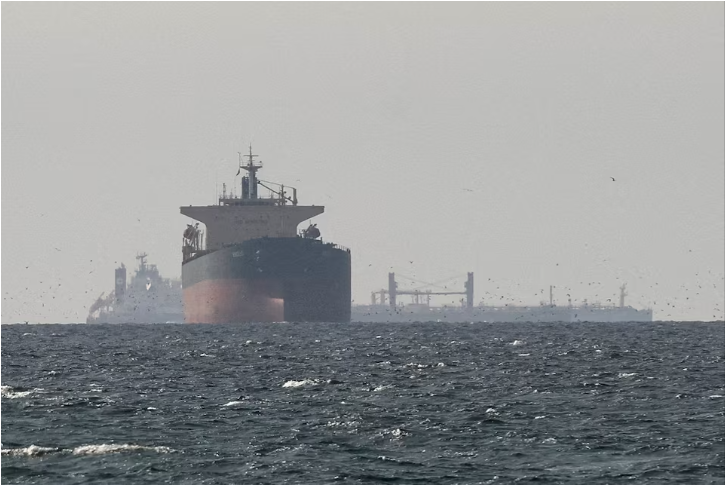
Since March 1, 2026, at least 21 commercial vessels, including 10 tankers, have been attacked or reported incidents in the Gulf, the Strait of Hormuz, or the Gulf of Oman, according to the British naval maritime security agency UKMTO.
The disruption of maritime traffic through the strait has raised alarm among major economies that depend heavily on the waterway for energy supplies and trade. The Strait of Hormuz serves as a crucial chokepoint for global oil shipments, and any prolonged blockage or threat to vessels transiting the area carries significant implications for international energy markets and supply chains.
The joint statement from the six nations reflects a growing consensus among key Western powers and Japan that coordinated action may be necessary to protect commercial shipping in the region. The leaders' reference to welcoming nations engaged in "preparatory planning" suggests that concrete military or naval measures to escort or protect vessels may already be under consideration.
The announcement comes against the backdrop of escalating tensions in the Gulf, where the conflict between the US-Israel coalition and Iran has spilled over into attacks on commercial maritime traffic, threatening one of the busiest and most strategically significant shipping lanes in the world.
Comments
No comments yet. Be the first to join the discussion!