Dollar slips and bonds struggle as Iran conflict spurs hawkish rate rethink
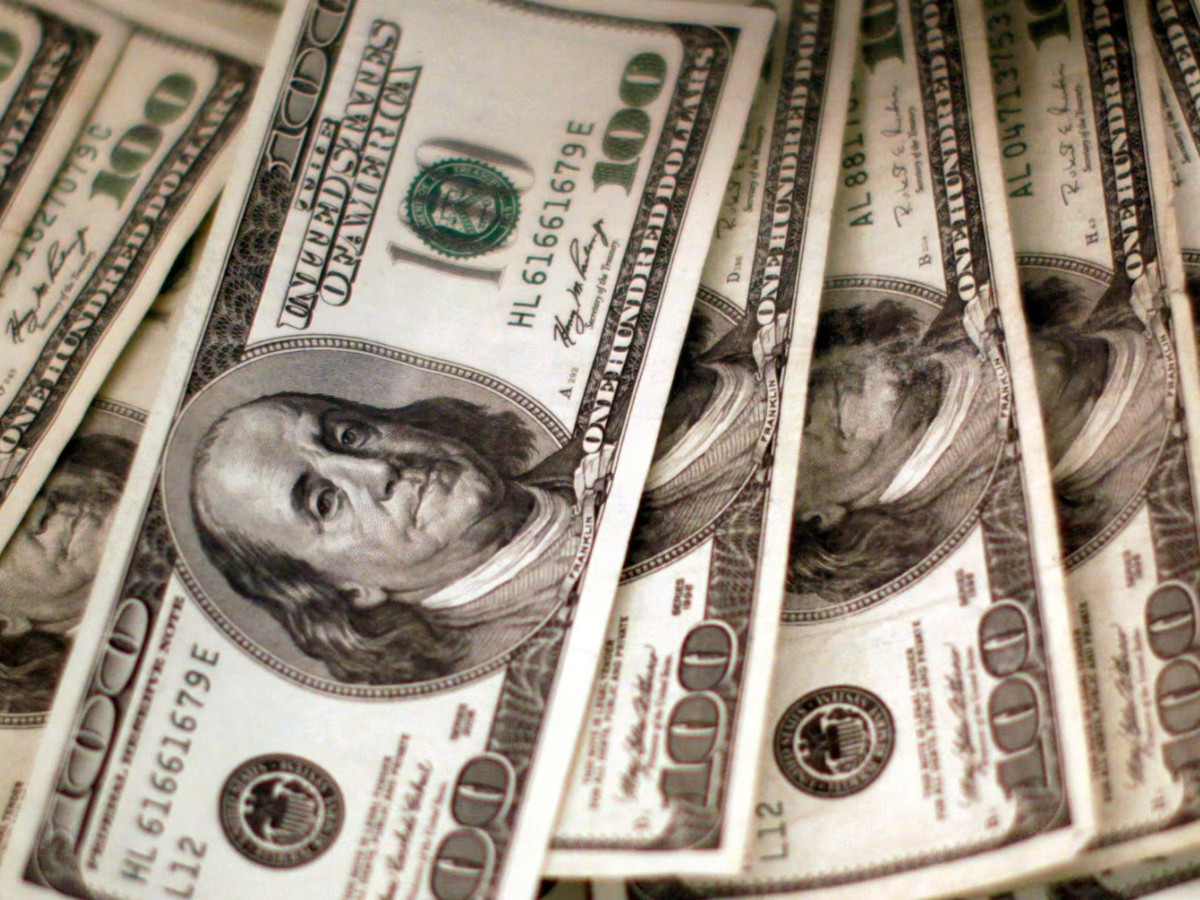
The US dollar weakened and bonds faced pressure as the Iran conflict prompted traders to scale back expectations of Federal Reserve rate cuts, triggering a hawkish reassessment across markets.


WASHINGTON: The US dollar weakened and bond markets faced pressure as escalating tensions surrounding the Iran conflict prompted traders to reassess their expectations regarding Federal Reserve interest rate cuts.
Market jitters over geopolitical tensions
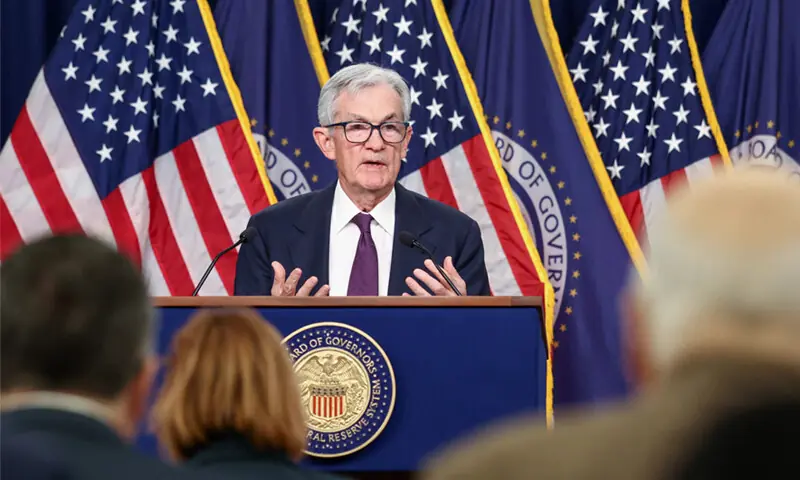
Financial markets were gripped by uncertainty as the prospect of a wider conflict involving Iran led investors to recalibrate their outlook on monetary policy. Traders scaled back their expectations of rate cuts by the Federal Reserve, reflecting a more hawkish reassessment of the central bank's likely trajectory in the near term.
The dollar, which has been a key barometer of global risk sentiment, slipped amid the shifting dynamics. At the same time, bond markets struggled to find footing as the geopolitical developments added another layer of complexity to an already uncertain economic landscape.
Hawkish rate expectations take hold
The recalibration in rate expectations underscored the growing concern among market participants that the Iran situation could have broader implications for inflation and energy prices, potentially complicating the Federal Reserve's path toward easing monetary policy. The prospect of sustained higher interest rates weighed on both currency and fixed-income markets.
Traders who had previously priced in multiple rate cuts by the Fed over the coming months began paring back those bets, acknowledging that geopolitical risks could keep inflationary pressures elevated for longer than anticipated. This shift in sentiment contributed to the volatility observed across global financial markets.
Broader market implications
The developments highlighted the interconnected nature of geopolitical events and financial markets, with the Iran conflict serving as a catalyst for a broader reassessment of risk. Investors found themselves navigating a complex environment where traditional safe-haven dynamics were being tested.
The combination of a weakening dollar and struggling bond markets presented a challenging backdrop for portfolio managers and institutional investors seeking to position themselves amid heightened uncertainty. The situation remained fluid, with market participants closely monitoring developments related to the conflict and any potential responses from central banks around the world.
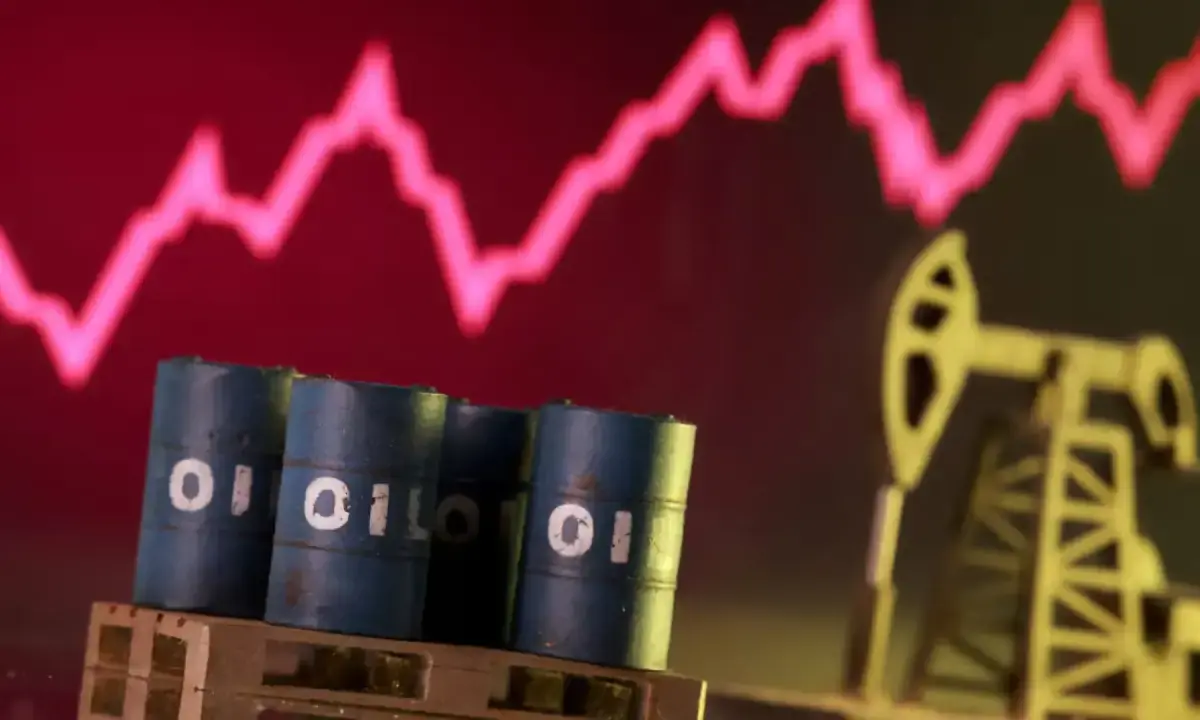
The jittery market conditions reflected the broader anxiety among traders and investors about the potential economic fallout from the escalating tensions, particularly with regard to energy supply disruptions and their knock-on effects on global inflation dynamics.
Comments
No comments yet. Be the first to join the discussion!