Wall Street recovers as United States delays potential strike on Iran
Wall Street rallied as the US delayed a potential military strike on Iran, with airlines, banks and small caps leading gains as oil prices slid and market volatility eased.

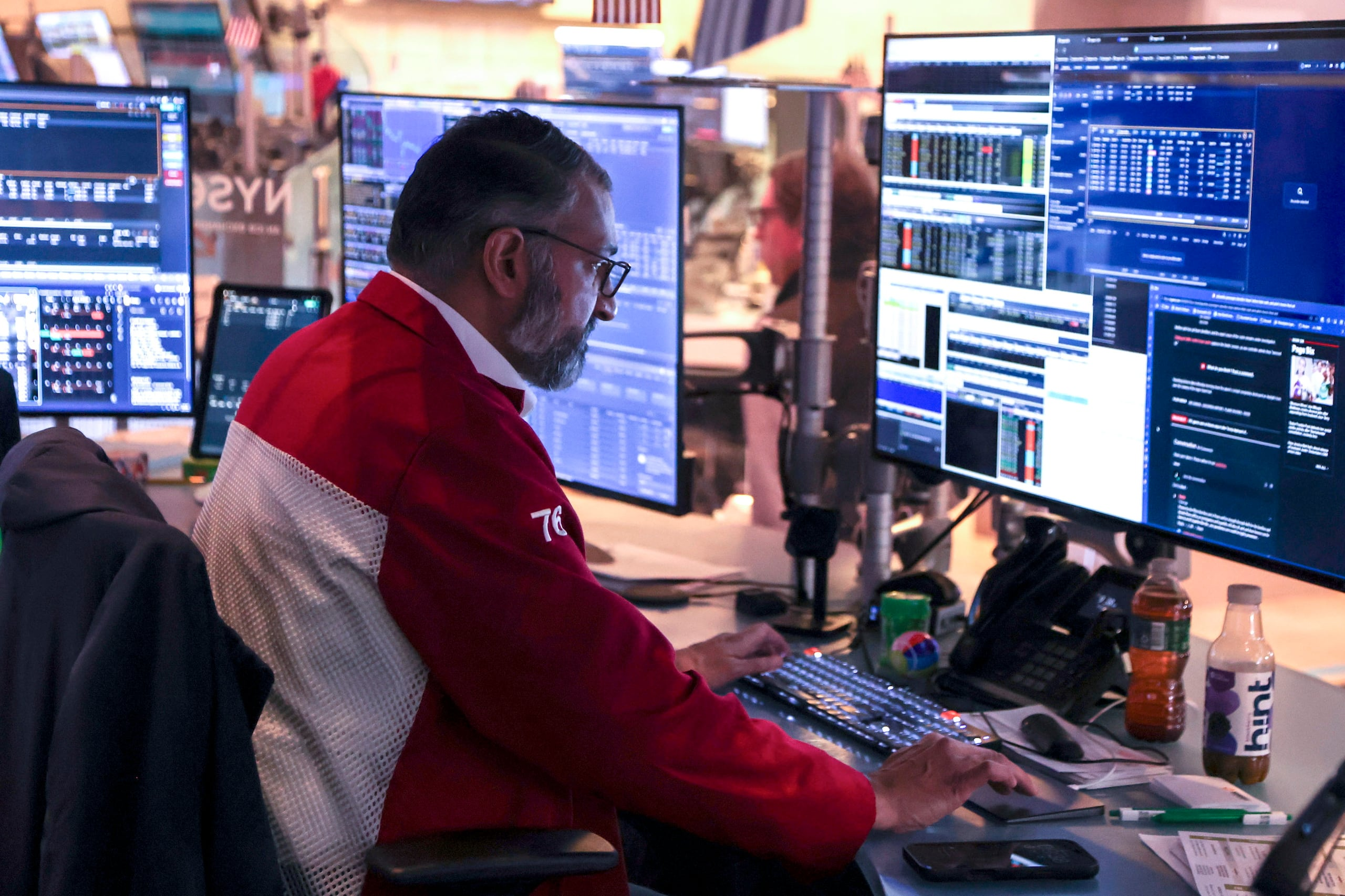
WASHINGTON: Wall Street staged a recovery as the United States delayed a potential military strike on Iran, easing geopolitical tensions that had rattled global markets and pushed investors toward safe-haven assets.
Markets rally on easing tensions
US stock markets bounced back as the prospect of an imminent American strike on Iran receded, bringing relief to investors who had been bracing for a potential escalation in the Middle East. Airlines, banks and small-cap stocks led the rally, buoyed by a combination of falling oil prices and declining market volatility.
The recovery came after oil prices slid on the news that Washington had opted to delay any military action against Tehran. Lower crude prices provided a particular boost to airline stocks, which are highly sensitive to fuel costs, while the broader easing of risk sentiment lifted financial shares and smaller companies that tend to be more exposed to economic uncertainty.
Oil prices retreat, volatility eases
Crude oil prices declined as the immediate threat of a US-Iran military confrontation diminished. The drop in oil helped calm fears of a supply disruption that could have sent energy costs soaring and added to inflationary pressures in the global economy.
Market volatility also eased significantly, reflecting a broader shift in investor sentiment away from panic and toward cautious optimism. The combination of lower oil prices and reduced uncertainty allowed traders to move back into riskier assets after a period of heightened anxiety.
Fed rate-cut expectations trimmed
The improved market outlook also had implications for monetary policy expectations. Bets on Federal Reserve interest rate cuts were trimmed as the easing of geopolitical risks reduced the perceived need for the central bank to act aggressively to support the economy. With tensions subsiding, market participants recalibrated their expectations for the pace and scale of potential rate reductions by the Fed.
The shift in rate-cut expectations reflects the view that the US economy may not face the kind of severe external shock that would necessitate emergency monetary easing, at least for the time being. However, markets remain watchful of any further developments in US-Iran relations that could once again alter the outlook for both geopolitics and monetary policy.
The recovery on Wall Street underscored how sensitive global financial markets remain to developments in the Middle East, where tensions between Washington and Tehran have periodically flared, sending ripples through energy markets and equity indices worldwide.
Comments
No comments yet. Be the first to join the discussion!