LNG supply concerns grow after strikes hit key gas sites
Recent strikes on LNG infrastructure in Qatar and Iran raise alarms over global energy stability. The world's largest gas reservoir faces potential disruptions.

Fresh concerns are emerging over global energy stability after reported strikes hit critical gas infrastructure tied to the world’s largest natural gas reservoir — with potential ripple effects reaching countries like Pakistan.
Strikes hit major LNG and gas infrastructure
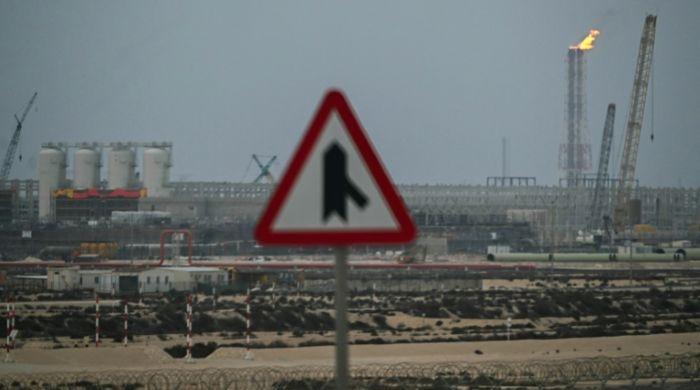
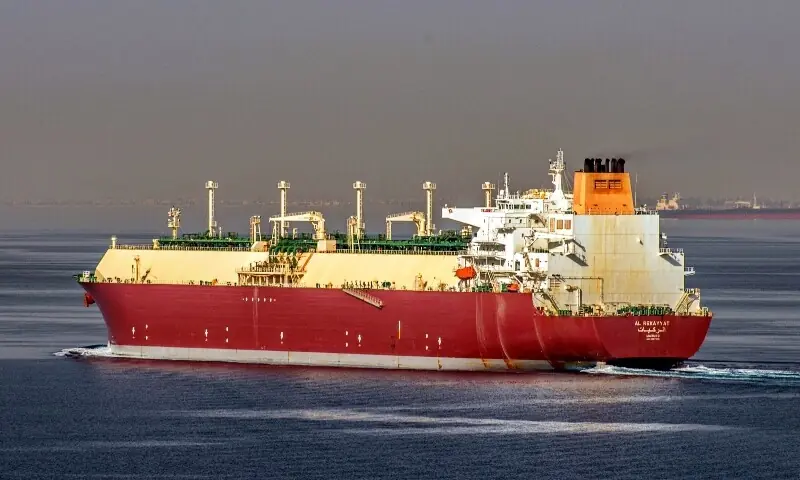
A missile strike reportedly damaged a key LNG facility in Qatar, triggering a fire and raising fears over disruptions to a network responsible for roughly 20% of global liquefied natural gas (LNG) supply.
The infrastructure is part of a system built at an estimated cost of around $70 billion and plays a central role in global energy exports.
The attack followed earlier strikes on Iran’s South Pars gas field — a major energy hub connected to the same reservoir.
World’s largest gas field under pressure
The North Field–South Pars reservoir spans about 9,700 square kilometres and is considered the largest natural gas field in the world.
It holds roughly 40% of the recoverable reserves of the world’s top gas fields combined and is nearly six times larger than the second-largest field globally.
Despite its size, only about 10% of the reservoir has been depleted, meaning nearly 90% remains untapped — but now potentially harder to access due to damaged infrastructure.
Pakistan already seeing gas shortages
The impact is already being felt in Pakistan, which relies heavily on LNG imports from Qatar.
Authorities have warned of a potential gas crisis after supply disruptions, with contingency plans activated to manage shortages.
On the ground, gas load-shedding has intensified. Cities like Karachi have faced prolonged outages, particularly during Ramadan, while parts of Punjab are experiencing restricted supply hours and low pressure throughout the day.
Industries have also been affected, with gas supply cut to some sectors to prioritise domestic consumption.
Trump warns against further escalation
US President Donald Trump said Israel had struck a “small section” of Iran’s South Pars gas field, while stressing that Qatar was “in no way involved” in the incident.
He warned that any further attacks on Qatar’s LNG facilities could trigger a massive escalation, cautioning that the United States could respond with overwhelming force against the gas field if the situation worsens.
Markets brace for long-term disruption
With most of Pakistan’s energy imports passing through the Strait of Hormuz — now under threat — the crisis could deepen if tensions escalate further.
Globally, analysts warn that sustained disruption to infrastructure linked to the world’s largest gas reservoir could reshape energy supply for years.
For Pakistan, the fallout is already visible — and could worsen if the conflict continues.

Comments
No comments yet. Be the first to join the discussion!