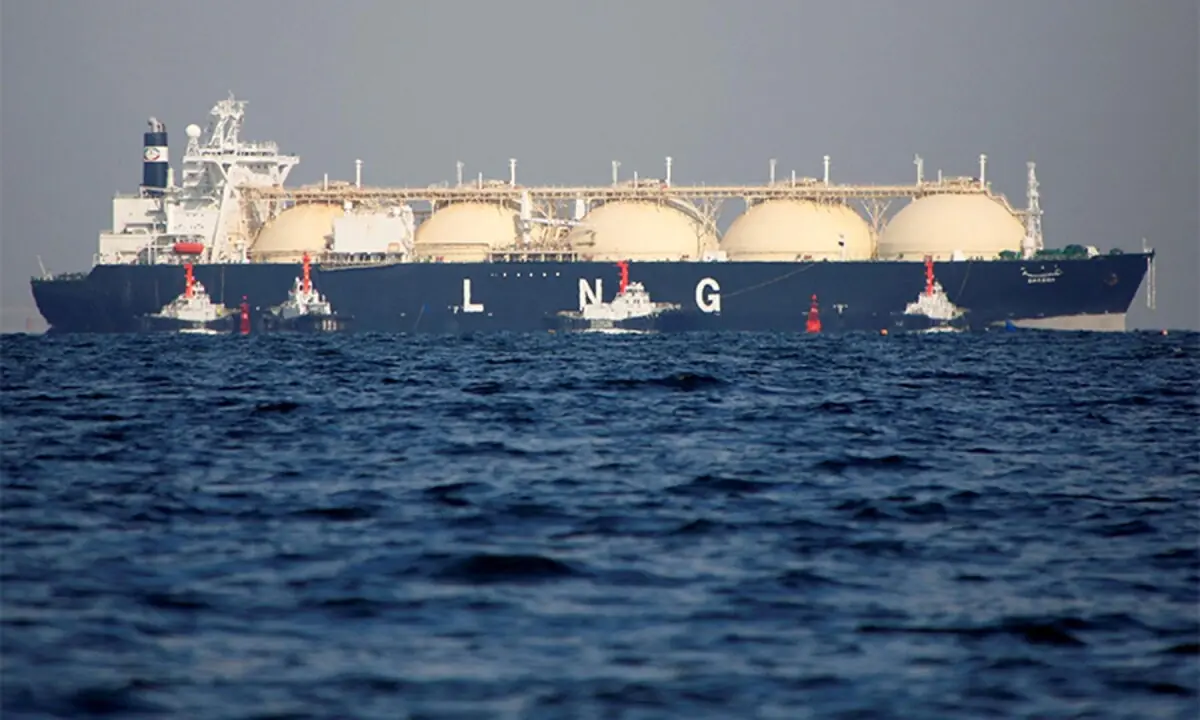
Oil prices surge after Iranian strikes hit key Middle East energy facilities
Oil and LNG prices surged after Iranian strikes hit Gulf energy facilities, with Qatar suspending LNG production on March 2 following extensive damage to its Ras Laffan gas hub.

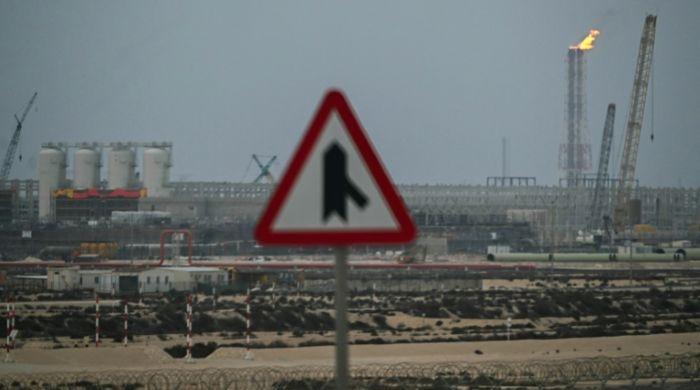
DOHA: Oil and liquefied natural gas (LNG) prices witnessed a sharp increase after Iran launched strikes on Gulf energy infrastructure, with Qatar suspending its LNG production on March 2 following extensive damage to its main gas facility in Ras Laffan.
Qatar suspends LNG production after strikes
QatarEnergy's operating facilities in Ras Laffan, which serve as Qatar's primary gas production hub, suffered extensive damage after multiple Iranian strikes targeted Gulf energy sites. The attack prompted Qatar to halt its liquefied natural gas production on March 2, triggering a massive spike in global energy prices.
The strikes on key Middle East energy sites have sent shockwaves through international energy markets, with supply fears mounting rapidly amid the escalating Gulf tensions. Oil prices rose significantly in the immediate aftermath of the Iranian attacks on the region's critical energy infrastructure.
Supply fears grip global energy markets
The suspension of Qatari LNG production is a development of enormous consequence for global energy supply chains, given that Qatar is one of the world's largest exporters of liquefied natural gas. The Ras Laffan facility is central to Qatar's gas operations and any prolonged disruption could have far-reaching implications for energy markets worldwide.
The Iranian strikes on Gulf energy facilities have raised serious concerns about the security and stability of energy supplies from the Middle East, a region that remains vital to global oil and gas production. The escalation has compounded existing anxieties among energy traders and importing nations about potential supply disruptions.
Prices leap amid escalating tensions
The attacks caused a significant leap in both oil and LNG prices as markets reacted to the sudden threat to one of the world's most important energy-producing regions. The combination of direct damage to key infrastructure and the broader uncertainty surrounding Gulf security contributed to the surge in prices.
Several key Middle East energy sites came under fire during the Iranian strikes, further fuelling apprehensions about the extent of the damage and the timeline for any potential restoration of production. The targeting of Gulf energy infrastructure represents a significant escalation in regional hostilities, with energy markets bearing the immediate economic impact of the conflict.
The developments are being closely monitored by energy-importing nations across the globe, as any extended disruption to Middle Eastern oil and gas output could translate into sustained higher energy costs for consumers and industries worldwide.
Comments
No comments yet. Be the first to join the discussion!