Israeli attack on world's largest gas field turns Middle East into 'powder keg'
Israel struck the South Pars/North Dome mega-field, the world's largest gas reserve supplying 70% of Iran's gas. Tehran launched retaliatory strikes as oil prices surged above $106 per barrel.

PARIS / DUBAI: Oil-rich Middle Eastern states were thrown into a state of alarm after Israel struck the world's largest gas field, prompting Tehran to issue threats of severe retaliation and triggering fears of a wider regional conflagration.
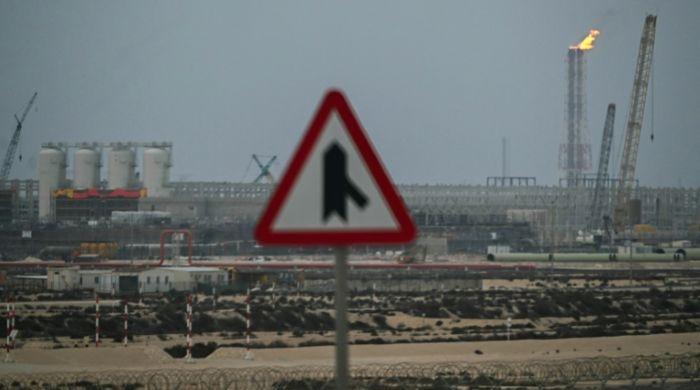
The Israeli military targeted the South Pars/North Dome mega-field — the largest known natural gas reserve on the planet — which Iran shares with Qatar across the Gulf. The South Pars field, located on the Iranian side of the deposit, supplies approximately 70 per cent of Iran's domestic natural gas.
Damage and emergency response
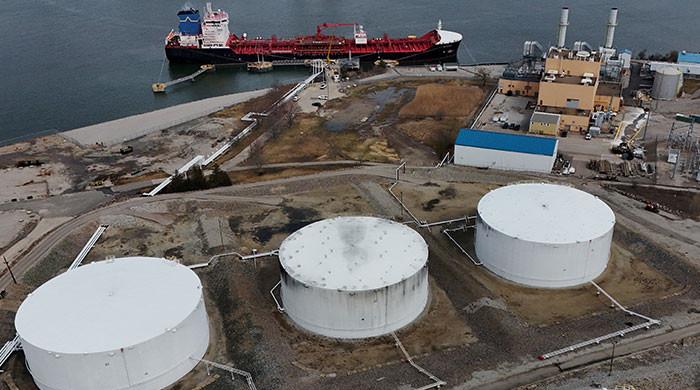
Iran's Fars news agency reported on Wednesday that gas tanks and sections of a refinery were struck in the attack. Workers at the site were evacuated to a safe location, while emergency crews rushed to extinguish a fire caused by the strikes.
Tehran threatens retaliation
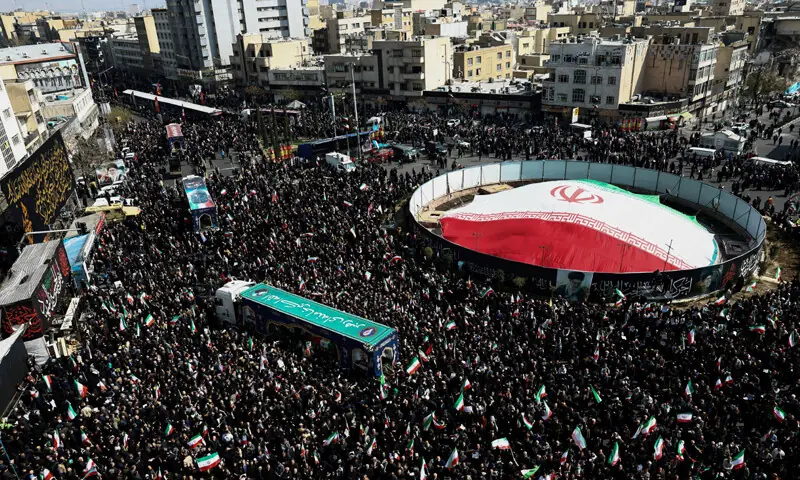
Iranian President Masoud Pezeshkian warned of "uncontrollable consequences" in the wake of the attack. Tehran launched retaliatory strikes on energy facilities in the region, significantly escalating tensions across the Middle East.
Gulf states condemn the attack
The United Arab Emirates and Qatar both condemned Israel's assault on the South Pars field. The gas deposit is of particular strategic importance to Qatar, which shares the resource with Iran under the name North Dome.
Global economic fallout
The attack sent shockwaves through global energy markets, with oil prices staying above $106 per barrel. World economies began scaling back and taking measures to cope with the fallout from the escalating conflict and the disruption to one of the world's most critical energy supply sources.
The South Pars/North Dome field is considered a cornerstone of global natural gas supply, and any sustained damage or disruption to the site carries far-reaching implications for energy markets worldwide. The strikes have raised the spectre of a broader confrontation in the Middle East, with regional powers now on high alert and energy security concerns dominating international discussions.
The situation remains highly volatile, with Tehran's retaliatory actions and warnings of further escalation adding to fears that the conflict could spiral beyond the current theatre of operations.
Comments
No comments yet. Be the first to join the discussion!