'Trust deficit' delays analysis of artefacts recovered from Mohenjo Daro
A trust deficit between Pakistani and international institutions has delayed the scientific analysis of artefacts recovered from Mohenjo Daro, hindering research into the ancient Indus Valley Civilisation.

KARACHI — A "trust deficit" between Pakistani and international institutions has reportedly delayed the scientific analysis of artefacts recovered from the ancient archaeological site of Mohenjo Daro, according to a report in Dawn.
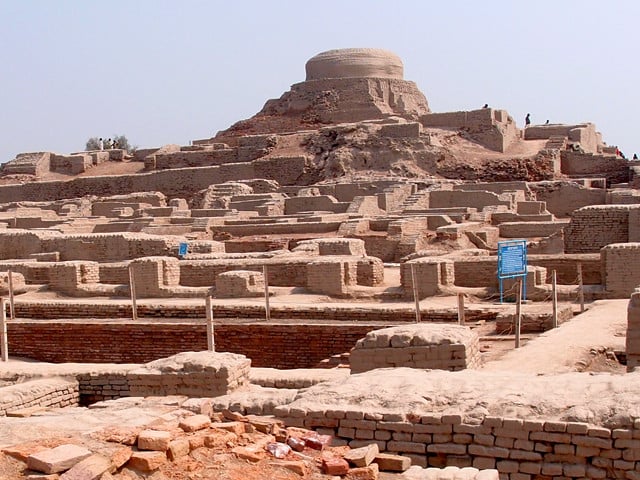
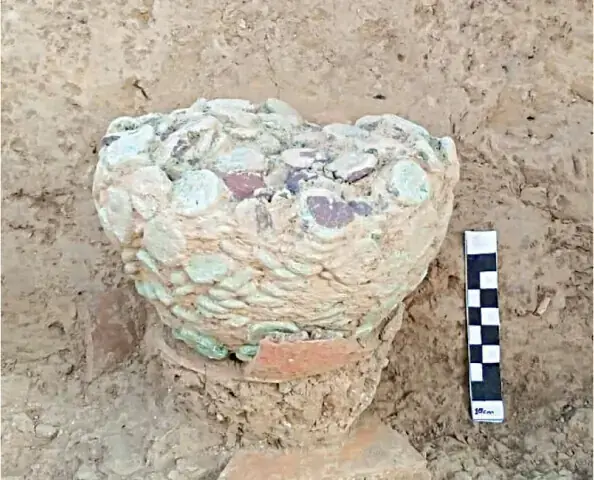
The report highlights that artefacts unearthed from Mohenjo Daro — one of the largest settlements of the ancient Indus Valley Civilisation and a UNESCO World Heritage Site located in Sindh — have yet to undergo critical scientific analysis due to a lack of trust between the relevant Pakistani authorities and their international counterparts.
Details of the delay
The delay stems from concerns and a trust deficit that has hindered collaboration between Pakistani cultural heritage institutions and foreign research bodies that possess the advanced technology and expertise required for detailed analysis of the recovered artefacts. The scientific examination of such artefacts is considered essential for gaining deeper insights into the Indus Valley Civilisation, which flourished around 2500 BCE.
Mohenjo Daro, located in the Larkana district of Sindh province, is considered one of the most significant archaeological sites in the world. The site was designated a UNESCO World Heritage Site in 1980 and has been a subject of archaeological research for decades. However, the analysis of newly recovered artefacts has been stalled owing to the reported trust issues.
Significance of the artefacts
The artefacts recovered from Mohenjo Daro are considered vital for understanding the history and culture of one of the world's earliest urban civilisations. Proper scientific analysis, including carbon dating and material composition studies, could shed light on trade practices, daily life, and the technological advancement of the Indus Valley people.
The inability to carry out such analysis domestically, combined with hesitancy to send the artefacts abroad due to trust concerns, has left the recovered items in a state of limbo. Experts and researchers have long called for enhanced cooperation and the establishment of proper protocols to facilitate the safe exchange of archaeological materials for research purposes.
The development underscores the broader challenges faced by Pakistan in preserving and studying its rich archaeological heritage, which includes numerous sites from the Indus Valley Civilisation spread across Sindh and Punjab provinces. The trust deficit, if not addressed, could further impede efforts to unlock the historical secrets contained within these ancient artefacts.
Comments
No comments yet. Be the first to join the discussion!