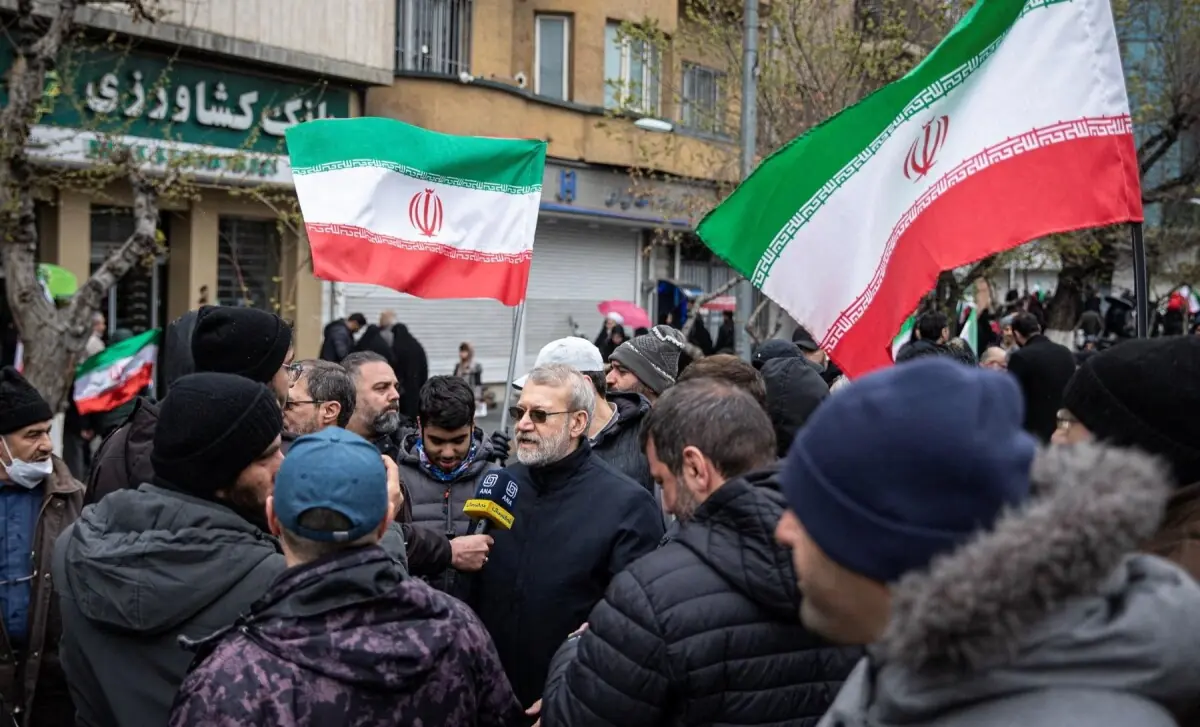
Larijani assassination deepens uncertainty over Iran-US conflict, analysts warn
Ali Larijani's assassination has deepened uncertainty over the Iran-US conflict, with analysts warning his death removes a key moderating voice and strengthens hardliners favouring confrontation.

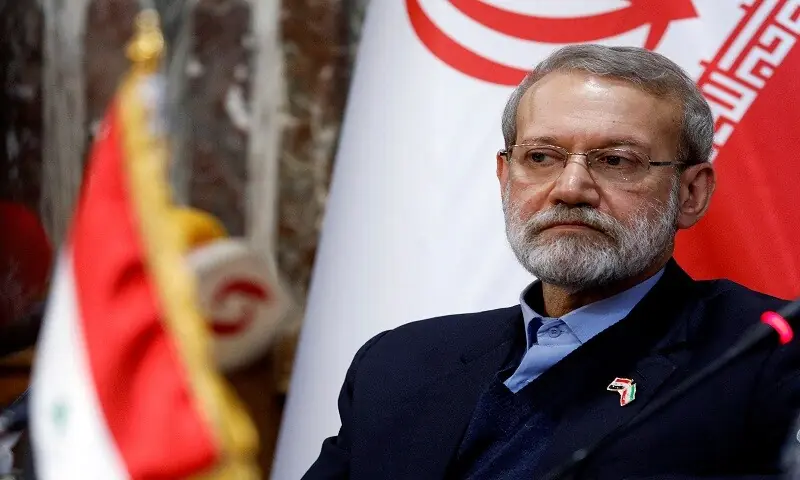
WASHINGTON: The killing of Ali Larijani, widely regarded as a rare link between Iran's military operations and its diplomatic channels, has intensified uncertainty surrounding the course of the Iran-US conflict, with analysts cautioning that his death eliminates one of the few moderating figures who could have helped avert further escalation.
A critical voice silenced
Larijani's assassination has prompted concern among experts that the prospects for a diplomatic resolution to the ongoing tensions have diminished significantly. His unique role in bridging the gap between Iran's battlefield strategies and its diplomatic outreach made him an invaluable figure in efforts to de-escalate the conflict.
As the New York Times noted:
"Ultimately, the consensus among experts is that Larijani's death removes one of the few officials capable of connecting the battlefield to diplomatic solutions, making a quick resolution to the conflict less likely and strengthening the position of those favoring continued confrontation."
Warnings of growing radicalisation
Former US State Department adviser for the Middle East, Vali Nasr, highlighted the far-reaching consequences of the assassination. According to Nasr, the void left by Larijani is likely to be filled by hardline elements within Iran's power structure.
"Larijani's replacement will be appointed by the IRGC. With every assassination, the US and Israel are engineering greater radicalisation of Iran's leadership,"
Nasr stated, warning that the killing would lead to "a bleak future for Iran."
Escalation concerns mount
The removal of Larijani from the political landscape has raised alarm bells among observers who fear that Iran's response to the assassination could tilt the balance in favour of hardliners who advocate for continued confrontation rather than dialogue. Analysts have pointed out that his absence strengthens the hand of those within Iran's leadership who oppose diplomatic engagement with the West.
The assassination comes at a particularly sensitive juncture in the broader Middle Eastern conflict, with the Iran-US standoff already fraught with tensions. With Larijani no longer available to serve as an intermediary between Iran's military and diplomatic establishments, experts have expressed concern that the path toward any negotiated settlement has become considerably more difficult.
Nasr's remarks underscore a growing fear among analysts that targeted killings of key Iranian figures are systematically pushing Tehran's leadership toward greater extremism, narrowing the space for pragmatic voices who might otherwise counsel restraint and diplomatic engagement.
Comments
No comments yet. Be the first to join the discussion!