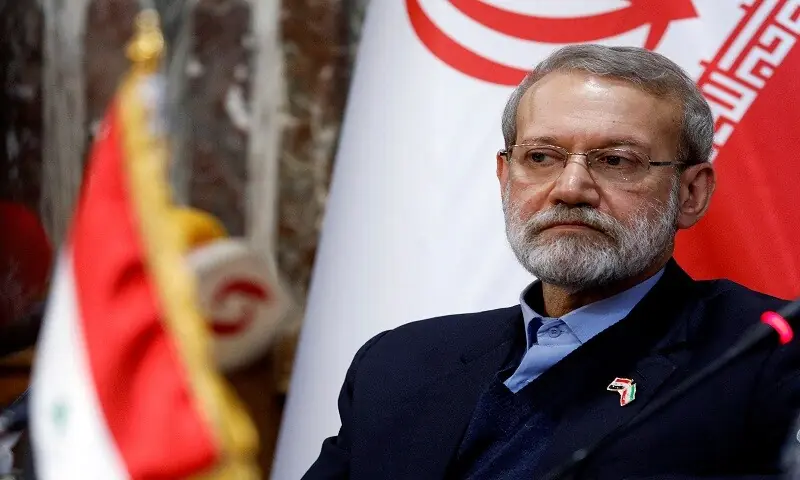
Diplomatic space narrows amid Israeli claim of killing Iran's security chief Ali Larijani
Israel claims to have killed Iran's top security official Ali Larijani on day 18 of the war. If confirmed, it would be Iran's biggest setback since the assassination of Ayatollah Khamenei.

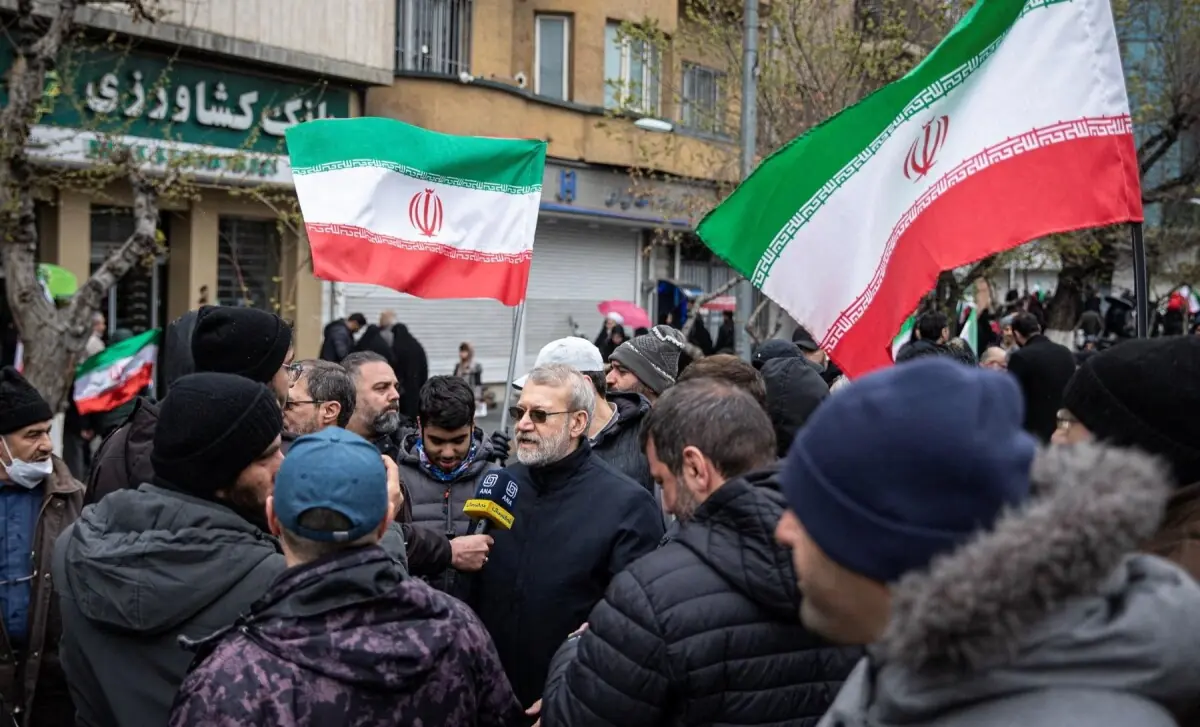
TEHRAN: The Israeli claim of killing Iran's top security official Ali Larijani, if confirmed, would represent the most consequential setback for Iran since the assassination of Supreme Leader Ayatollah Khamenei at the onset of the US-Israel war on the Islamic republic, now in its 18th day.
Larijani's pivotal role in Iran's power structure
Larijani is considered one of the few remaining figures who operate across the political, security, and diplomatic layers of the Iranian system during wartime. He is not simply a senior insider but belongs to a small cohort capable of reconciling competing power centres within the state and translating battlefield developments into coherent political signalling.
His role extends beyond messaging, as he has been quietly shaping external engagement, including maintaining channels that could, if needed, support de-escalation efforts between the warring parties.
Impact on Iran's strategic flexibility
According to analysis published in Dawn, his loss — if confirmed — would not fracture the Iranian system. However, it would narrow the space within which strategy is formulated, tilting the balance further toward a security-driven approach and reducing flexibility for any diplomatic manoeuvring.
The claimed killing comes at a critical juncture when diplomatic avenues already appear to be shrinking. With the conflict entering its 18th day, the elimination of a figure who straddled the intersection of politics, security, and diplomacy would further complicate any potential pathway toward de-escalation.
A series of high-profile losses
If the Israeli claim is verified, Larijani's death would add to a string of significant losses suffered by the Iranian leadership since the beginning of hostilities. The assassination of Supreme Leader Ayatollah Khamenei at the start of the conflict had already dealt a severe blow to Iran's command structure. The potential loss of Larijani would compound these setbacks, removing yet another key figure from the country's decision-making apparatus.
The development underscores the escalating nature of the conflict, with Israel apparently targeting the highest echelons of Iranian leadership. The confirmation or denial of Larijani's death is expected to have significant implications for the trajectory of the war and any future diplomatic engagement.
As the war continues into its third week, the shrinking pool of Iranian officials capable of bridging the gap between military operations and political strategy raises questions about how Tehran will formulate and communicate its wartime posture going forward.
Comments
No comments yet. Be the first to join the discussion!