

Ma’amoul: a traditional biscuit cherished during Middle Eastern festivities
Ma’amoul, a filled shortbread biscuit, is a staple of Middle Eastern celebrations, especially during Eid and Easter. Traditionally made with semolina or flour and filled with dates or nuts, it symbolizes hospitality and togetherness.

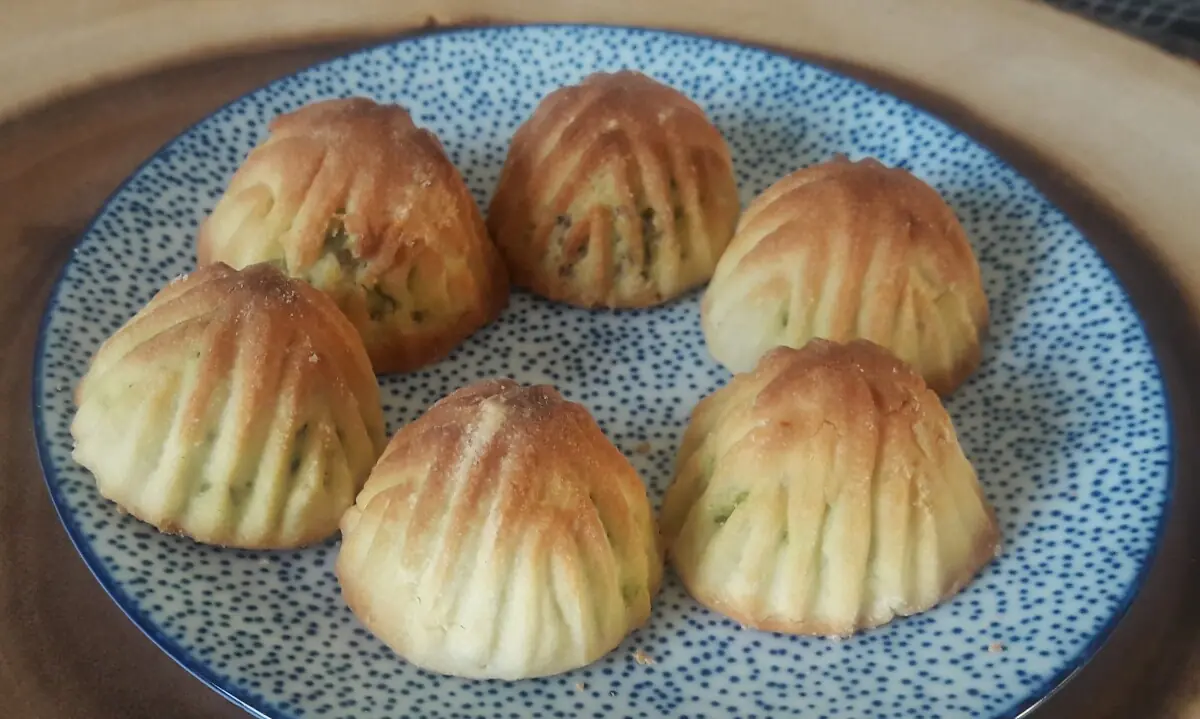
ISLAMABAD: Ma’amoul, a filled shortbread biscuit, holds a special place in celebrations across the Middle East, particularly during religious festivals such as Eid and Easter, according to a feature published in Dawn.
These biscuits are typically made with semolina or flour and are filled with dates, nuts such as walnuts or pistachios, or occasionally figs. The dough is shaped using traditional wooden moulds, which give ma’amoul their distinctive decorative patterns. The biscuits are then baked until golden and often dusted with powdered sugar before serving.
Ma’amoul is deeply associated with festive occasions and is commonly prepared in large batches to be shared with family, friends, and neighbours. The process of making ma’amoul is often a communal activity, with families gathering to prepare the dough, fill it, and shape the biscuits together. This tradition is especially prevalent during the days leading up to Eid in Muslim communities and Easter in Christian communities throughout the Middle East.
The article notes that while recipes for ma’amoul can vary from region to region and even from family to family, the essential elements remain the same: a rich, crumbly pastry encasing a sweet or nutty filling. Some versions use a combination of semolina and flour for the dough, while others rely solely on one or the other. The fillings are also adaptable, with dates being the most popular, but nuts and dried fruits are also commonly used.
To make ma’amoul, the dough is prepared by mixing semolina or flour with butter or ghee, sometimes flavoured with rose or orange blossom water. Small portions of dough are flattened, filled with the chosen filling, and then shaped in moulds before baking. The finished biscuits are enjoyed with tea or coffee during festive gatherings.
The report highlights that ma’amoul is not only a treat but also a symbol of hospitality and togetherness in Middle Eastern culture, marking special occasions with its unique taste and intricate designs.
Comments
No comments yet. Be the first to join the discussion!


