Pak-China healthcare conference to generate $850m investment, transform pharma sector: Kamal
Health Minister Syed Mustafa Kamal says the Pak–China pharma and healthcare B2B conference will generate about $850m, including 16 agreements and 80 MoUs, to boost local vaccine and raw material production, digitize DRAP licensing, and target WHO ML3 accreditation by 2027.

Health Minister says conference expected to yield 16 agreements and 80 MoUs
Local vaccine production, raw material manufacturing to cut import dependence
DRAP's digital reforms streamline licensing; ML3 accreditation targeted by April 2027
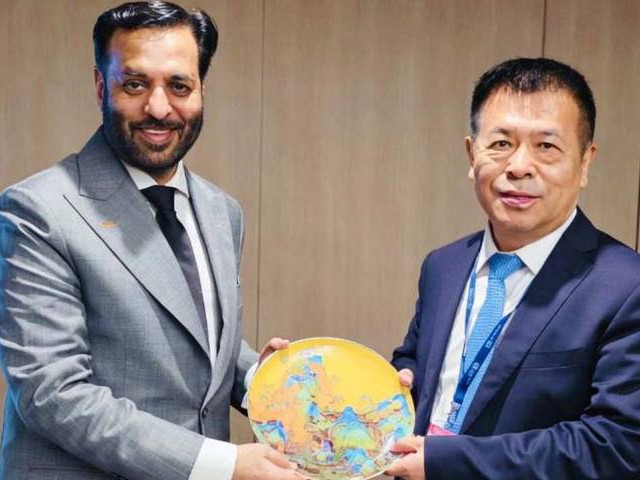
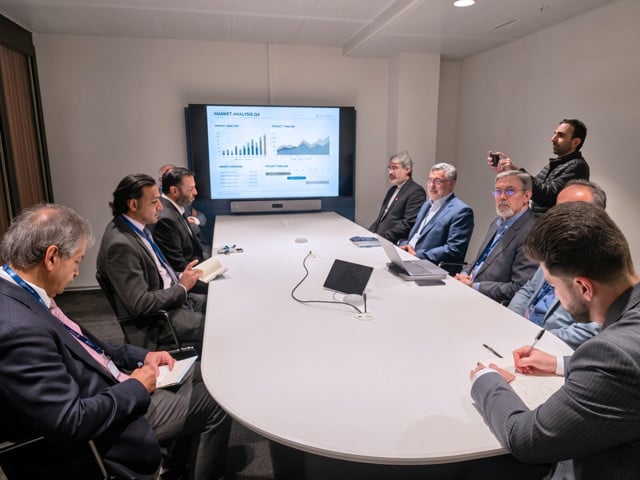
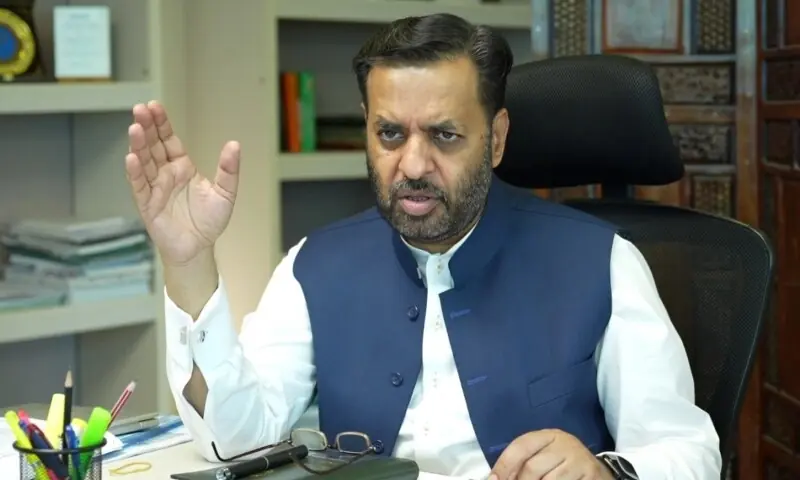
ISLAMABAD: Federal Minister for National Health Services, Regulations and Coordination Syed Mustafa Kamal on Saturday hailed the success of the Pakistan–China Pharmaceutical & Healthcare B2B Investment Conference 2026, expressing confidence that the event would mark a turning point for Pakistan's pharmaceutical and healthcare industries with expected investment agreements worth around $850 million, including 16 agreements and 80 Memorandums of Understanding (MoUs).
Talking to the media on the second day of the conference, the minister said the anticipated multimillion-dollar investment would revolutionise Pakistan's pharmaceutical and healthcare sectors by promoting local manufacturing, strengthening industrial capacity and creating new employment opportunities across the country.
He attributed the conference's success to the visionary and patriotic leadership of Prime Minister Muhammad Shehbaz Sharif, saying the outcomes of the event would have lasting benefits for Pakistan's future generations.
"Everything was made possible due to the leadership skills and vision of Shehbaz Sharif. Now a new era has begun between Pakistan and China; its results will go down to generations," he said.
The minister said the conference focused on expanding local production of vaccines, pharmaceutical raw materials and medical devices, describing these initiatives as critical steps towards reducing Pakistan's import bill, enhancing self-reliance and strengthening the country's foreign exchange reserves.
He noted that Pakistan currently imports 90 percent of the raw materials required for the manufacture of medicines.
"The cost of vaccine imports could reach $1.2 billion by 2030," he said, adding, "to remove Pakistan from import dependence, the production of local vaccine is imperative."
Mustafa Kamal said Pakistan's first National Vaccine Policy had been prepared and approved by the federal cabinet, paving the way for indigenous vaccine production. He added that local manufacturing of pharmaceutical raw materials would also help reduce medicine prices and make healthcare more affordable for the public.
Highlighting the importance of research and innovation, the minister said agreements had also been signed in the areas of clinical research, pharmaceutical trials and vocational training, which would strengthen research capabilities, encourage technological advancement and facilitate the development of improved medicines, treatment methods and disease-control strategies.
Referring to ongoing institutional reforms, he said several transformative measures had been introduced in the health sector, noting that 80 percent of the operations of the Drug Regulatory Authority of Pakistan (DRAP) had been digitised, enabling applicants to obtain drug licences through an online system without visiting DRAP offices.
"The license is issued via email within 20 days of registration on the DRAP portal," he said.
Expressing confidence in Pakistan's growing international standing in pharmaceutical regulation, Mustafa Kamal said the country currently exports medicines to 52 countries under the World Health Organization (WHO) Maturity Level 2 (ML2) framework.
He said DRAP was on course to achieve WHO Maturity Level 3 (ML3) accreditation by April 2027, a milestone that would pave the way for pharmaceutical exports to 100 additional countries, significantly expanding Pakistan's global market access.
The minister said the signing of investment agreements during the conference reflected Pakistan's growing business potential and international confidence in its pharmaceutical industry, as demonstrated by the participation of a large number of Chinese companies.
Kamal expressed satisfaction over the conference's achievements and urged all stakeholders to capitalise on the new investment opportunities, ensuring that the benefits of fresh investments, strategic partnerships and business agreements translate into improved healthcare services, stronger industrial growth and broader economic gains for the people of Pakistan.
Comments
No comments yet. Be the first to join the discussion!