March 17, 2026
China announces emergency humanitarian aid to Iran, Jordan, Lebanon and Iraq
China has announced emergency humanitarian assistance for Iran, Jordan, Lebanon, and Iraq in response to escalating conflicts. This aid aims to alleviate the suffering of civilians affected by the ongoing crisis.
March 17, 2026

BEIJING: China on Tuesday announced emergency humanitarian assistance for Iran, Jordan, Lebanon, and Iraq as fighting in the Gulf region continues to intensify, with civilians increasingly bearing the brunt of the crisis.
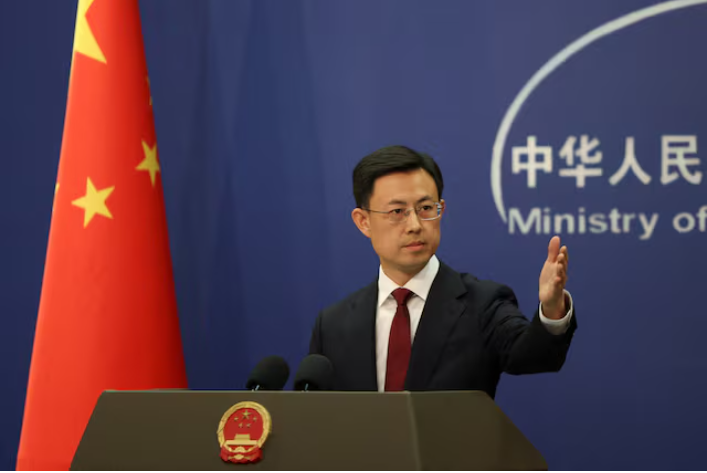
At a regular briefing in Beijing, foreign ministry spokesperson Lin Jian said the ongoing conflict has caused "excruciating humanitarian disasters" across affected countries, expressing China’s deep sympathy with those suffering from civilian casualties, displacement and widening hardship.
"China has decided to provide emergency humanitarian assistance to Iran, Jordan, Lebanon and Iraq. It is hoped this will help alleviate the humanitarian plight faced by local populations," Lin told reporters, while also stressing that Beijing would continue its diplomatic efforts to promote peace, a ceasefire and restore regional stability.
The announcement signals China's heightened engagement on humanitarian grounds even as it maintains calls for an immediate halt to hostilities. In recent days, Beijing also agreed to contribute to relief efforts through non‑governmental channels.
According to reporting from Chinese analysts, the China Red Cross Society has pledged aid — including $200,000 in emergency assistance to the Iranian Red Crescent Society to support victims and families affected by strikes on civilian infrastructure.
China's move comes amid deepening regional tensions since joint United States and Israel strikes on Iranian military sites on February 28 sparked a wider cycle of retaliation. Iran’s counter‑strikes have targeted US‑linked and strategic facilities across several Gulf states, disrupting commercial shipping through the vital Strait of Hormuz and triggering international concern over energy supplies, civilian safety and humanitarian conditions.
Beijing has long maintained diplomatic ties with Tehran. According to Chinese sources, the two countries share a comprehensive strategic partnership underpinned by economic cooperation and a 25‑year cooperation agreement signed in 2021, reflecting historical Sino‑Iran ties dating back decades.
However, Beijing’s recent humanitarian declarations emphasise neutrality and practical relief rather than taking sides militarily — a stance analysts say aims to balance China’s regional interests with global diplomatic responsibilities.
China’s planned aid package seeks to address urgent needs such as food, shelter, medical care and basic supplies for displaced and vulnerable populations. This effort complements parallel international responses. The World Health Organization last week released $2 million from its emergency fund to support health responses in Iraq and Lebanon, where displacement has surged, and to assist emergency coordination and care for trauma‑affected civilians.
Beyond financial support, Chinese officials reiterated calls for a ceasefire and peaceful resolution. Lin noted that Beijing will continue working with international partners to de‑escalate hostilities and prevent the humanitarian crisis from spreading further.
While China’s pledge offers some respite for beleaguered populations, the challenges remain immense. Humanitarian officials have warned that disruptions to maritime transit through the Strait of Hormuz and broader instability could hinder the delivery of essential aid, complicating relief efforts across the region.
As civilian suffering rises in multiple states affected by warfare and retaliation, Beijing’s announcement underscores how global powers are seeking to combine diplomatic pressure with humanitarian outreach — even as the overall conflict remains unresolved.
0 Comments
No comments yet. Be the first to join the discussion!