March 11, 2026
Petroleum Minister ‘assures’ no further price hike, pledges govt to absorb ‘global oil shock’
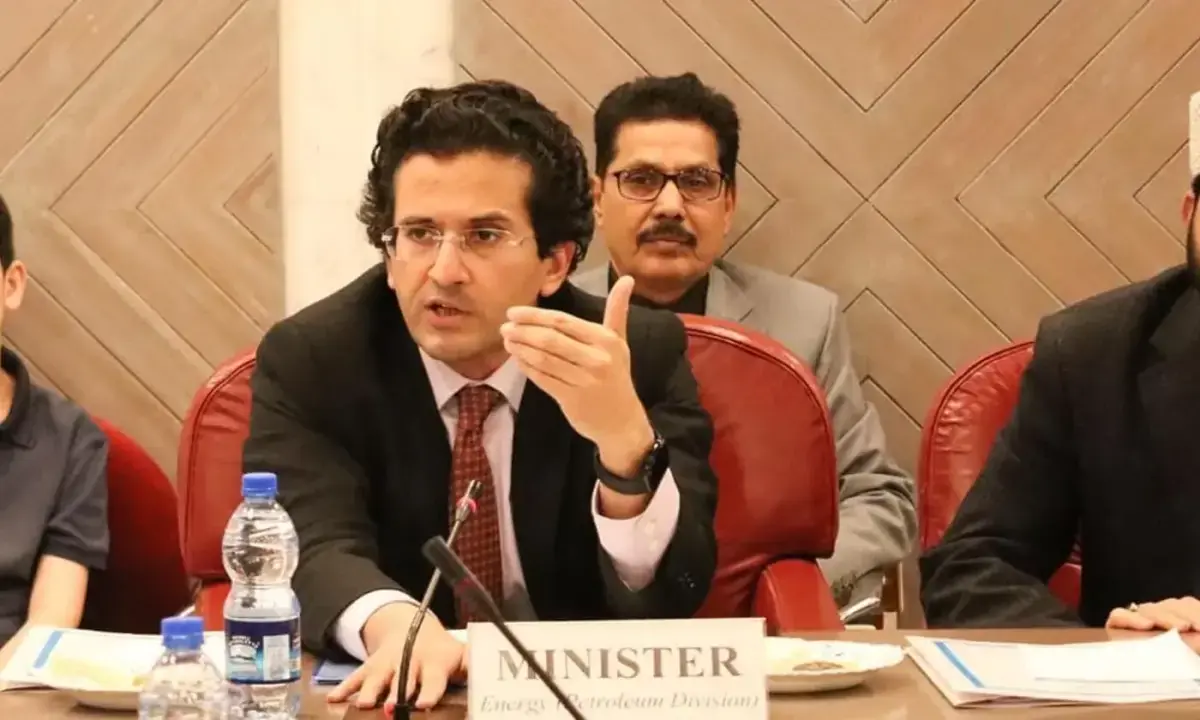
Petroleum Minister Ali Pervaiz Malik assures the public of no further increases in oil prices, detailing government strategies to manage future global price shocks.
March 11, 2026

Ali Pervaiz Malik says govt to buffer future international price surges through austerity, conservation and budgetary measures
Warns crisis duration uncertain; calls for long-term preparedness and contingency planning
Says broader economic impact includes imports, remittances, and market stability
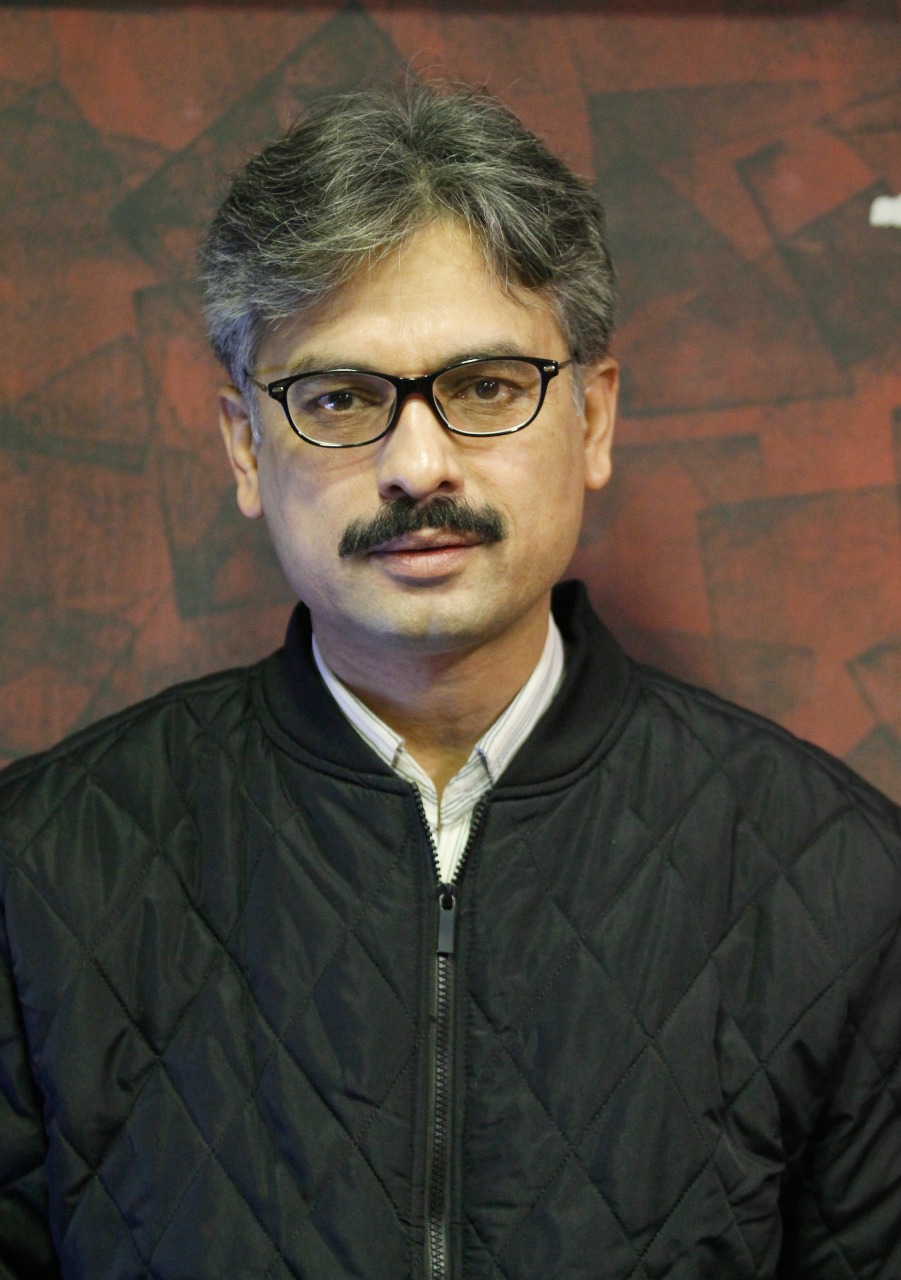
ISLAMABAD: Petroleum Minister Ali Pervaiz Malik on Tuesday assured the public that no further increases in petroleum prices are expected, stressing that the government has committed to absorbing any future price shocks stemming from the ongoing Middle East crisis.
Speaking in an interview on a television channel, Malik defended the recent price hike, noting that the substantial increase was unavoidable due to extraordinary circumstances in the international oil market, but he emphasized that significant further increases are unlikely in the coming days.
“The prime minister has decided that after this increase, the government will do everything possible to ensure that any future rise in global petroleum prices is buffered through austerity measures, energy conservation, budget contingencies, or targeted taxation,” Malik said. “I believe that within a reasonable time frame, there won’t be much change in domestic fuel prices.”
Recent Price Hike and Government Response
Last week, the government announced an increase of Rs55 per litre for petrol and diesel, triggered by surging international petroleum costs amid heightened tensions in the Middle East. The closure of the Strait of Hormuz has significantly disrupted global supply lines, affecting fuel availability and prices worldwide.
Prime Minister Shehbaz Sharif, speaking on Monday, acknowledged that petrol prices were likely to rise internationally, but assured the public that the government would strive to shield citizens from the full impact of these increases through fiscal and administrative measures.
Government Measures to Protect Consumers
Minister Malik stressed that the government had resolved to absorb the impact of price fluctuations to prevent additional hardship for the public, while ensuring stable fuel supplies across the country.
Describing the situation as extraordinary, Malik said that Pakistan had prepared reserves, particularly for gas, but the closure of the Strait of Hormuz necessitated adjusted management of supplies. “We entered the crisis in a comparatively better position due to prior preparations,” he explained.
The minister further elaborated that the duration of the crisis remains uncertain, warning that Pakistan must treat the situation as a long-term challenge: “It is like preparing for a test match. Whatever reserves we have, we must try to extend them and maintain the supply line effectively.”
Addressing Criticism and Political Debate
Responding to criticism from Khyber-Pakhtunkhwa Chief Minister Sohail Afridi regarding the recent hikes, Malik asserted that political point-scoring should not overshadow practical solutions.
“The chief minister is engaging in politics, but the public deserves alternatives,” he said. “People want to know what would have been done if prices were not raised. There should be a clear alternative arrangement proposed for that scenario as well.”
Malik also cautioned against misleading statements by financial experts suggesting that petroleum prices had recently dropped. “The current situation remains difficult,” he said, “but we are confident that Pakistan will overcome this crisis.”
Energy Security and Gas Supplies
On the subject of gas shortages, Malik clarified that Pakistan would not face supply issues this month, thanks to two cargoes that arrived prior to the escalation of the Middle East conflict.
However, he warned that if the crisis prolongs, the government may need to source additional supplies or adjust distribution to conserve gas. “We must prepare for all contingencies,” Malik said, highlighting the government’s proactive approach to energy management during this uncertain period.
Broader Economic Implications
Malik also pointed out that the Middle East crisis is affecting more than just fuel prices, noting its impact on imports, remittances, and overall economic stability. He stressed that the government is closely monitoring the situation and will continue taking practical steps to minimize hardship for citizens.
“Together, we will overcome this difficult period,” he said, expressing hope that the conflict would subside soon, allowing Pakistan to return to stable energy pricing and supply conditions.
Prime Minister’s Commitment to Stability
The minister reiterated that Prime Minister Shehbaz Sharif is personally overseeing energy conservation and austerity initiatives to absorb the impact of international price volatility. This includes budgetary adjustments, efficient use of resources, and policy measures aimed at shielding the public from sudden fuel shocks.
“The government’s priority is to ensure that the public continues to have access to fuel at reasonable prices, even amid extraordinary global challenges,” Malik emphasized.
0 Comments
No comments yet. Be the first to join the discussion!