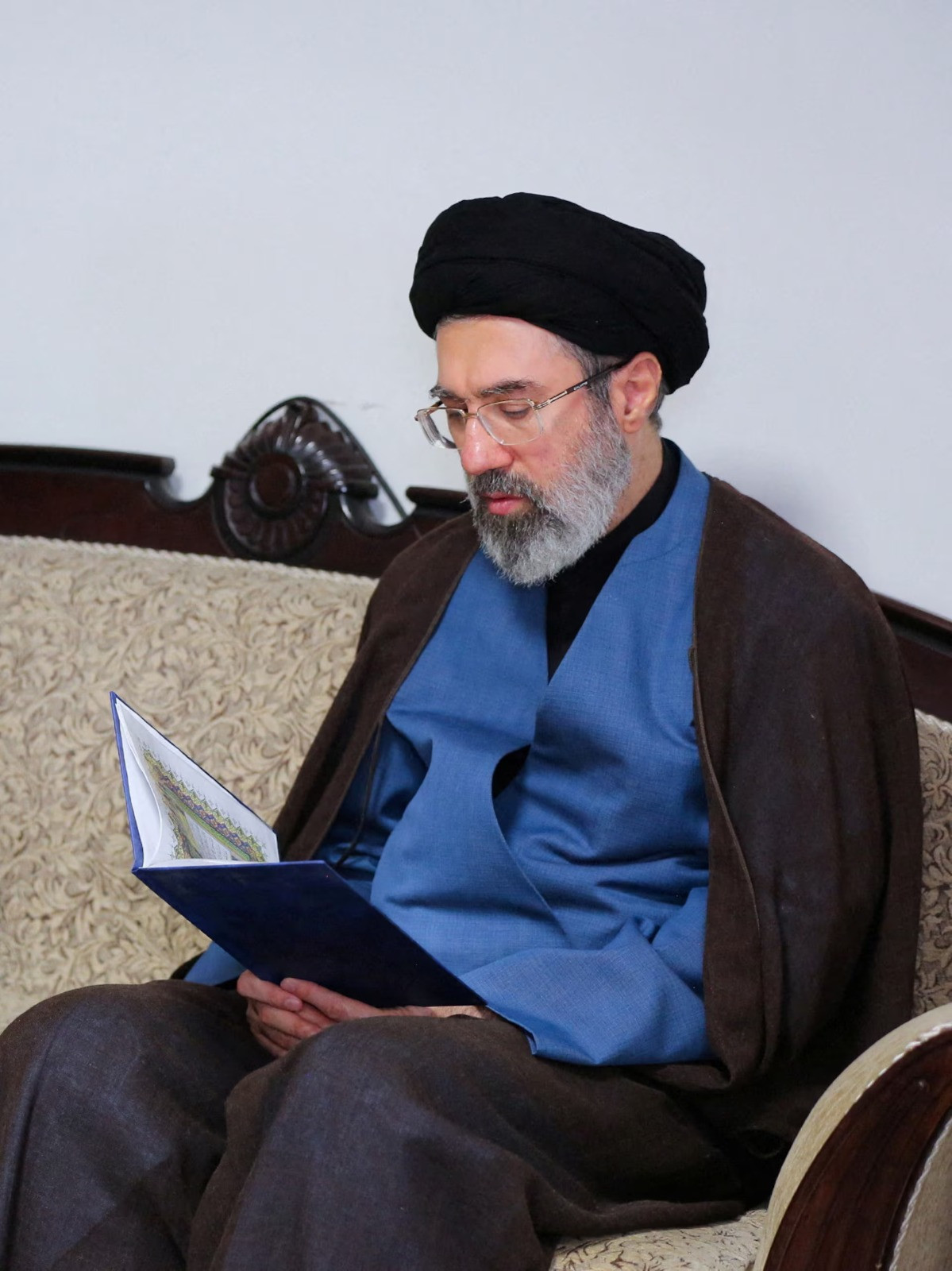
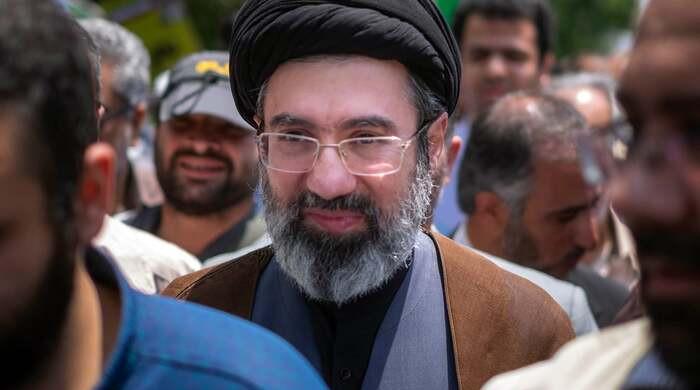
Ayatollah Mojtaba Khamenei appointed Iran’s new supreme leader amid ongoing conflict
Iran’s Assembly of Experts has appointed Ayatollah Mojtaba Khamenei as the new supreme leader, signaling institutional continuity amid ongoing conflict. The transition was smooth, with endorsements from Iran’s elite and regional allies.

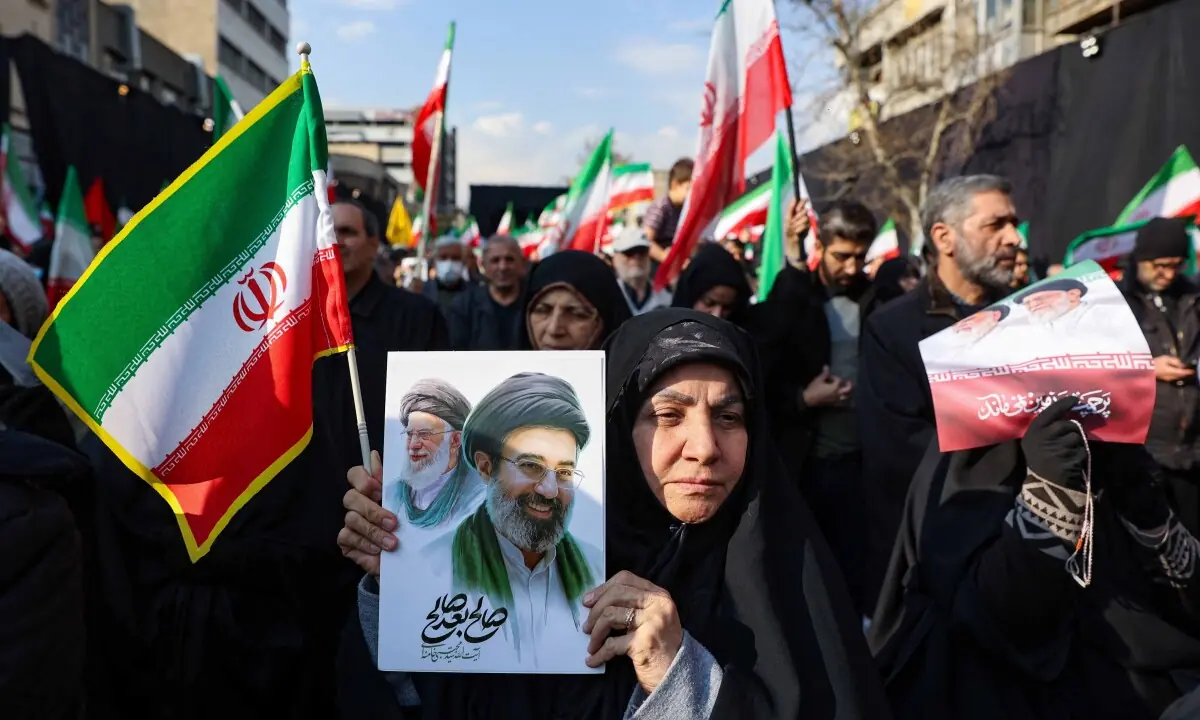
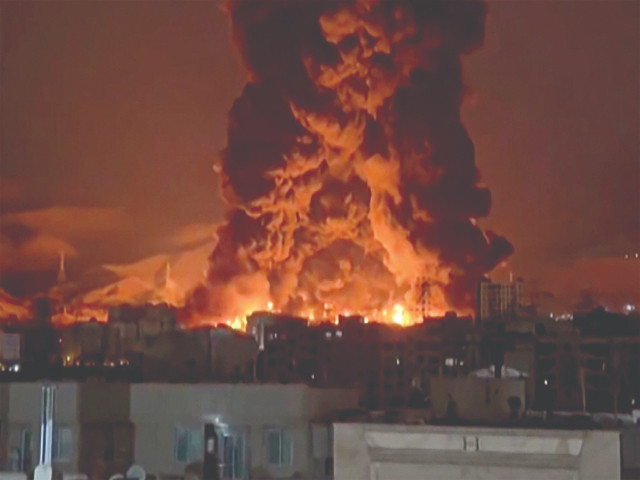
Tehran — On the tenth day of the ongoing war, Iran’s Assembly of Experts appointed Ayatollah Mojtaba Khamenei as the country’s new supreme leader early Monday, marking a significant development that could influence the direction of the conflict.
The transition of leadership occurred without any reported disruptions, indicating institutional continuity and a consolidation of authority during a period of sustained military pressure on Iran. According to reports, the appointment was swiftly endorsed within Iran by the revolutionary core as well as the nation’s political and military elite, who publicly pledged their allegiance to the new leader.
State media in Iran presented the succession as a stabilizing move, emphasizing that the political system’s continuity had been maintained despite the ongoing wartime environment. Observers noted the absence of unrest in Iranian cities, which was interpreted as a sign of public acceptance of the new supreme leader.
The endorsement of Ayatollah Mojtaba Khamenei extended beyond Iran’s borders, particularly among groups and actors aligned with Tehran’s regional network of allies in countries such as Lebanon and Iraq. The smooth transition and broad support were seen as factors that could reinforce Iran’s position both domestically and regionally during the current conflict.
This leadership change comes at a critical juncture for Iran, as the country faces ongoing military challenges and questions about the future trajectory of the war. The developments on Monday are expected to have significant implications for both Iran’s internal stability and its role in the broader regional dynamics.
Comments
No comments yet. Be the first to join the discussion!